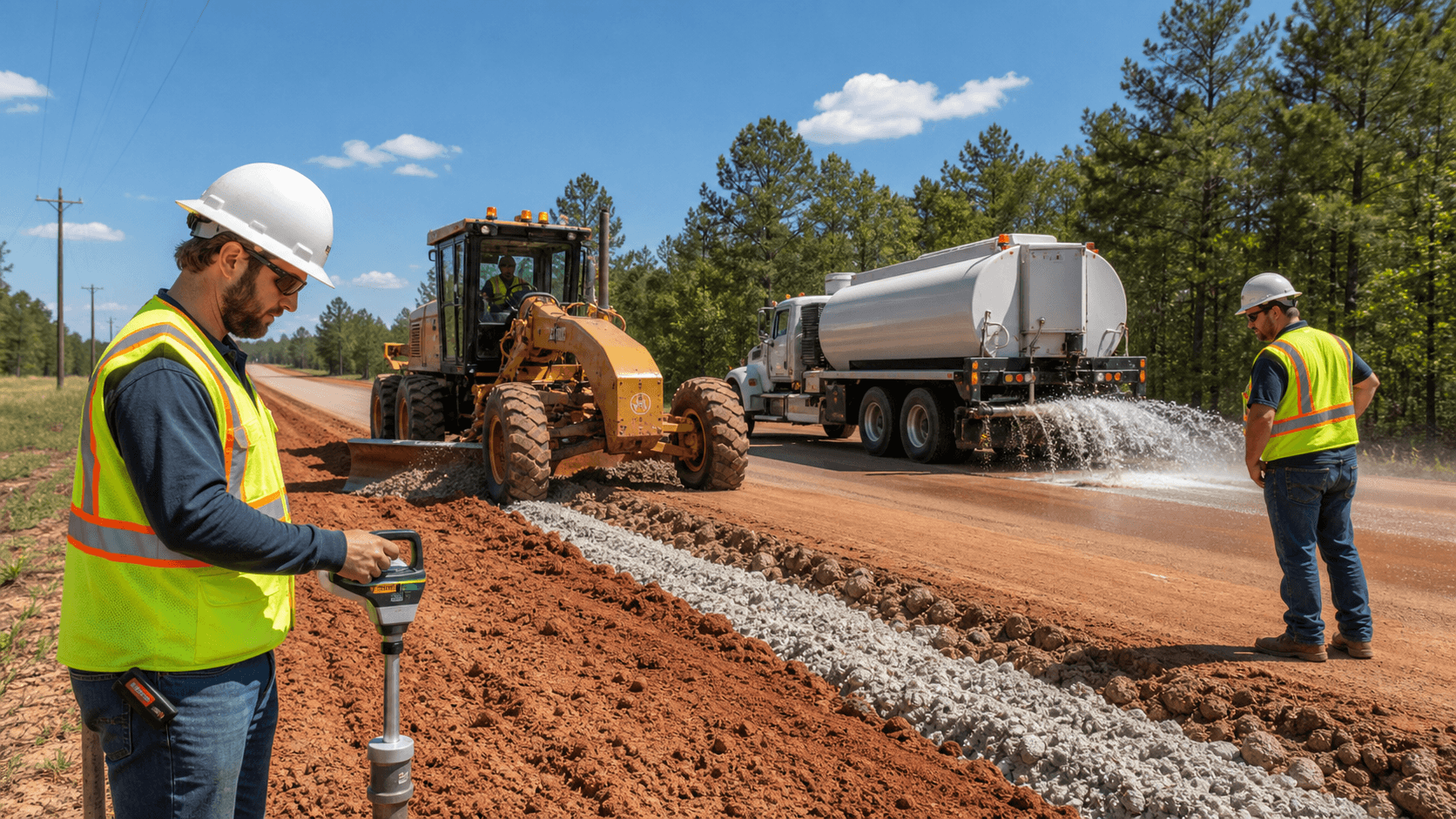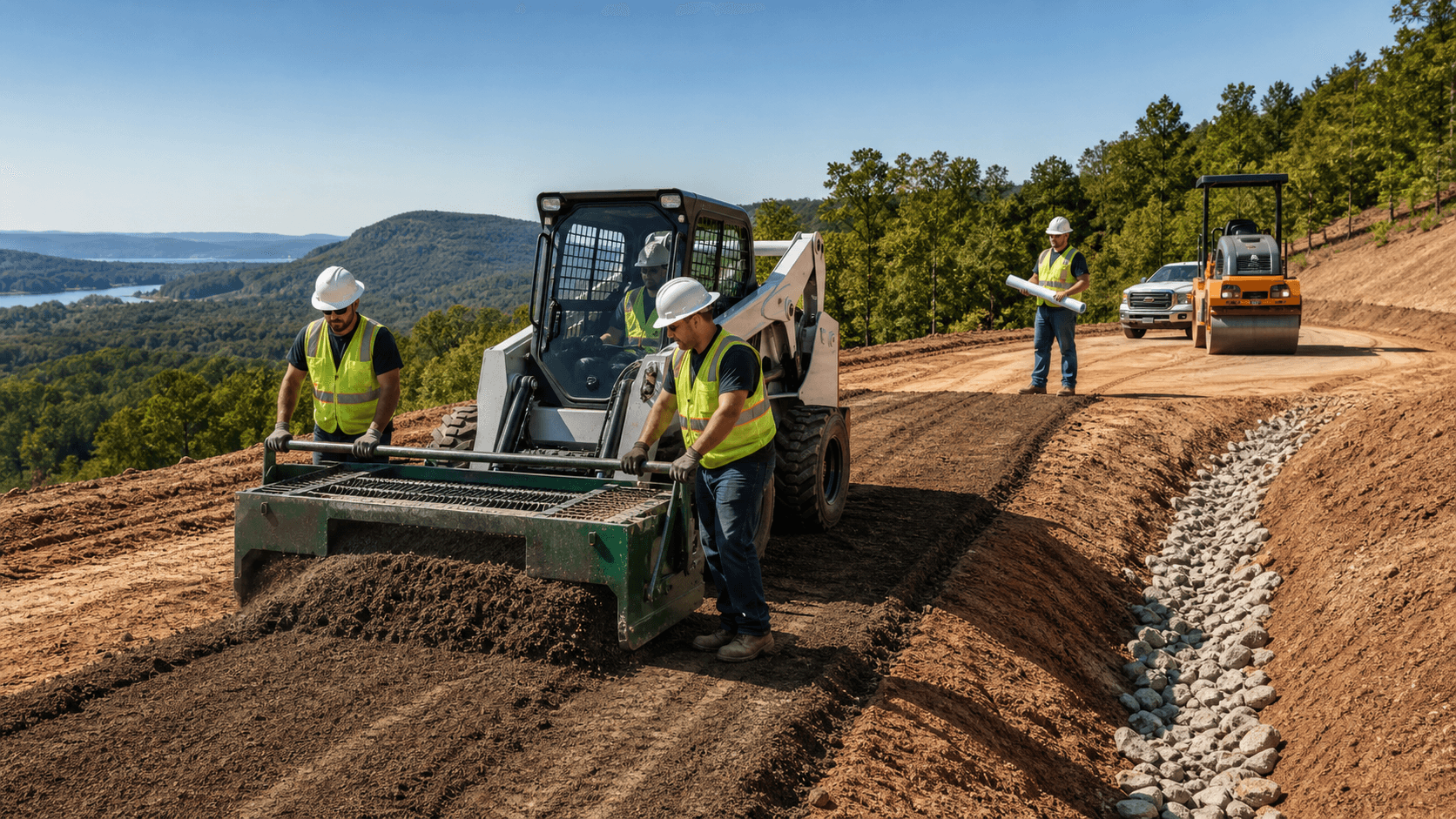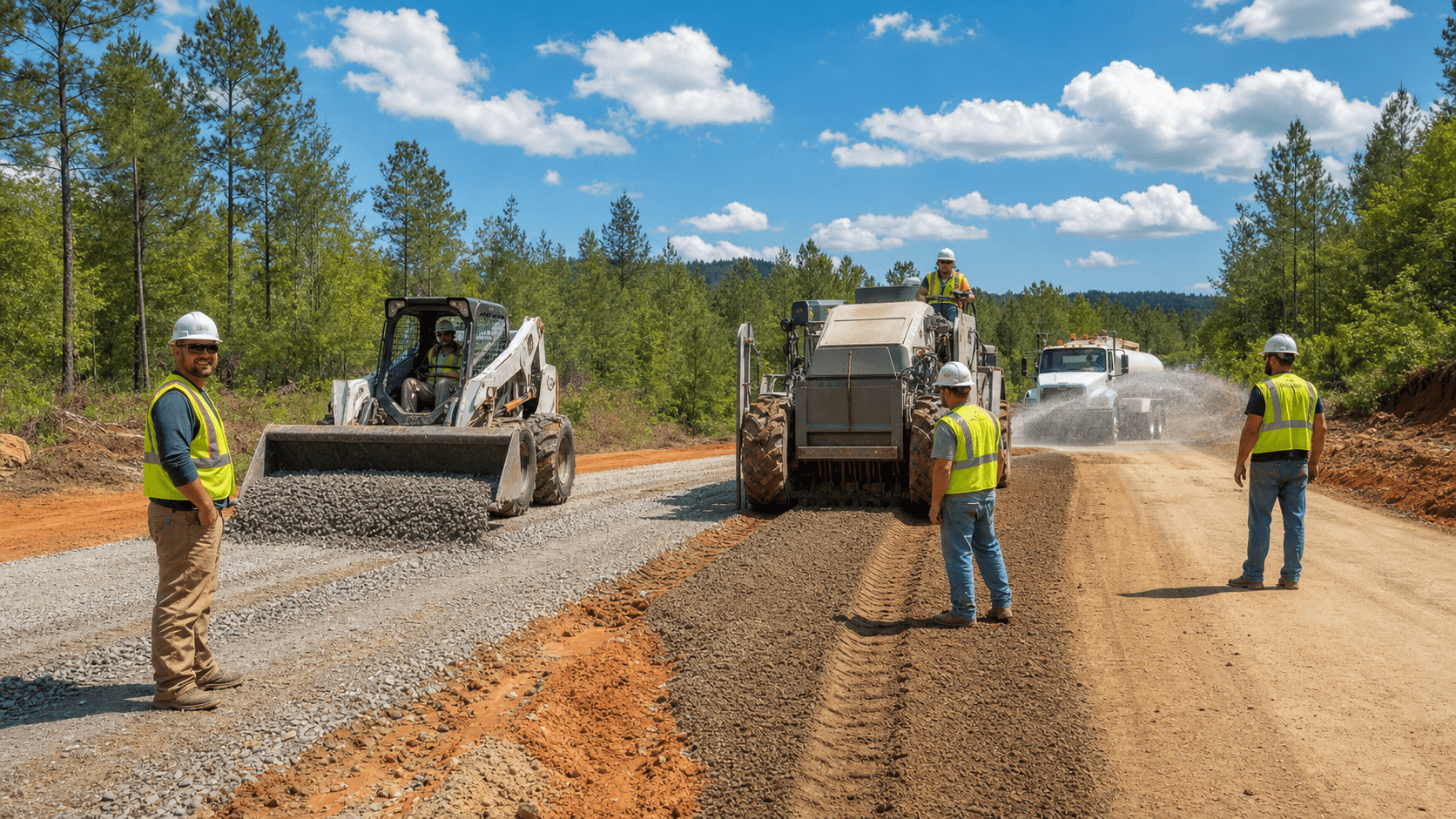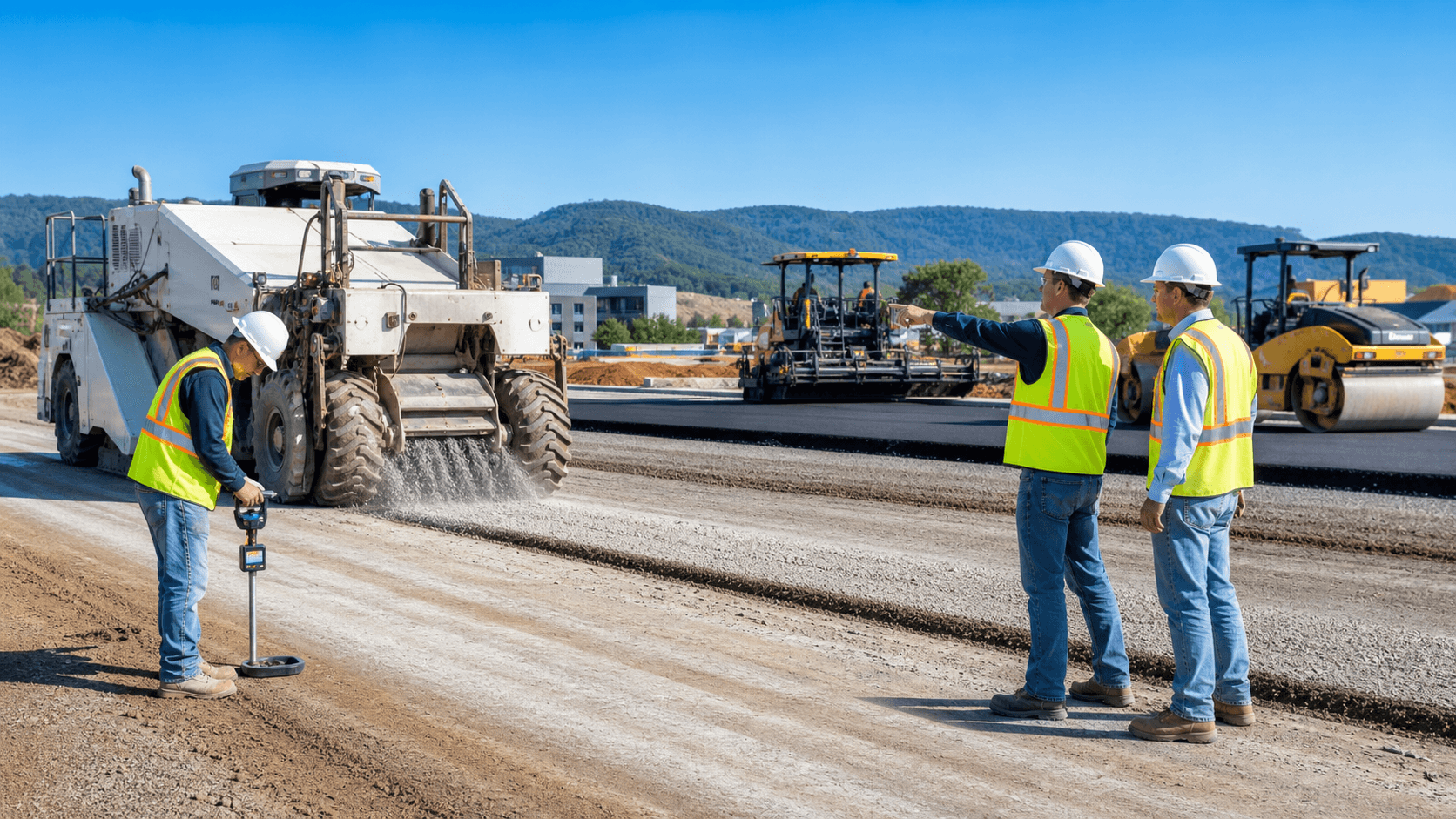
Before paving starts, the condition of the ground underneath sets the tone for everything that follows. Without a stable base, even the best surface work can shift, crack, or wear out before its time. That's why we look carefully at the soil, especially in areas like Chattanooga, Tennessee, where the spring season can soften the ground fast. April brings enough rain to make paving difficult if the dirt below isn't ready to hold its shape.
That's where experienced ground stabilisation contractors come in. We understand that early preparation doesn't just keep things moving, it helps prevent headaches down the line. Spring is the season to act, and in our part of the country, timing counts.
Why Wet Chattanooga Soil Makes Paving Difficult
In early spring, Chattanooga feels the change in weather. It rains often, and the ground doesn't always get enough dry time between storms. Clay-heavy soils, which are common around here, only make matters worse. They tend to hold onto water, refusing to drain or firm up the way sandy or rockier ground might.
That wet clay turns soft and sticky fast. When heavy trucks try to move through it, they sink or leave deep tracks. Graders have a harder job finishing prep work. Pavers get delayed. And what looks like minor surface trouble at first can suddenly turn into stalled progress and wasted effort.
- Chattanooga spring rains saturate local soil
- Clay-heavy earth holds water longer than expected
- Heavy equipment digs in, making the mess worse
When we prepare a site, we spend time reading the soil. It's not just about looking at weather reports but knowing how much weight the ground can take. Paving needs the kind of surface that doesn't shift under pressure. Wet soil, no matter how packed it looks on top, usually can't hold up on its own.
What Happens Without Ground Stabilization
Skipping ground work before paving looks like a way to move faster. But it doesn't pay off. Sooner or later, we see the results in uneven surfaces, poor drainage, and shifting slabs that leave trouble spots long after the crews are gone.
When soil isn't held steady, cracks show up in all the wrong places. You may see a sidewalk tilt one way, or a street dip toward the edge. In heavy rain, it's worse. Water folds into low spots, causing erosion. Pipes become more likely to slip out of place. Wet areas get even weaker when not treated early.
- Poorly prepared soil causes cracking and uneven surfaces
- Drainage becomes unreliable when low spots form
- Repairs cost time and money that could have been avoided
Early work helps the whole process settle the right way. We want ground that doesn't move right after the paving crew finishes. Without that base support, the rest gets shaky, fast.
How Stabilization Methods Support Better Paving Results
Once soil starts to break down, it's not enough to just compact it again. Stabilization gives us a way to reinforce the dirt itself, using simple treatments that work with the soil type we find on site. Usually, we mix materials like lime or cement into the top layers. This blend dries out wet areas and hardens loose spots.
After treatment, the surface becomes tighter, and that firmness stays in place. Even when rain follows a few days later, the treated ground resists moisture better. It holds its shape and keeps its strength. That kind of base is what paving really needs to last.
- Lime or cement mixtures improve weak soil
- Treated ground holds compaction and dries more efficiently
- A stable base lowers the chances of failed surfaces later
We don't rush this step, because if it goes right, everything else becomes easier. When the base doesn't give out, paving layers stay smooth. And future repairs? Less likely.
Terra-Firma Stabilization & Reclamation uses site-specific soil modification and stabilization techniques to solve serious wet soil problems before paving. Our team selects and blends stabilizing agents such as lime, cement, or fly ash based on soil properties and weather, delivering reliable, fast-drying construction surfaces for Chattanooga's paving season.
When You Should Schedule Ground Prep in Chattanooga
The best time to get started is often late April in the Chattanooga area. By then, daytime temperatures rise enough to let materials cure properly, while the ground has usually had a bit of drying. It's still a balancing act, though. Wait too long and the rain returns or the soil warms up too much, making quick drying harder than expected.
This is one reason why timing matters. We don't want to be working with soaked patches during grading or racing storms that threaten to undo the prep work. Any time the surface is muddy or breaking apart, it's a bad idea to skip a proper look.
- Mid to late April suits local weather for base work
- Waiting too long can risk rain delays just before paving
- Treatments need some dry time before compaction and grading
We aim to get ahead of that window, not behind it. It saves product, time, and energy when we lay the groundwork early.
Choosing the Right Team for the Job
Not every project has the same soil or needs the same treatment. That's why experience with the region matters. Ground stabilisation contractors who know the Chattanooga area understand how local clay responds in spring. They've worked during this season before and adjust for what the earth is doing, not just what the calendar says.
We pay attention to structure, movement, and drainage problems before they cause delays. That's not something that shows up in a manual. It comes from doing the work, year after year, and spotting trouble before it gets buried under gravel.
- Local ground stabilisation contractors understand how Chattanooga soil behaves
- Seasoned crews look for long-term firmness, not just surface compaction
- Regional knowledge helps prevent sinking and surface shifts later
Having the right kind of eyes on the job helps make better decisions without having to stop work to figure out what went wrong.
Stabilized Soil Means Stronger, Longer-Lasting Results
Everything built on a project is only as steady as the ground underneath it. Smooth looking surfaces won't last if the dirt moves. So the smarter approach is to get that base firm and even while the chance is still there. Not reacting to future issues, but preparing the site to avoid them entirely.
A fully stabilized area leads to better looking and better performing roads, driveways, and structures. We get fewer callbacks, cleaner surfaces, and happier outcomes long after the paving crew has packed up and left. Spring is short, but what we do with it matters the rest of the year.
Spring rains around Chattanooga, TN, can make the ground deceptively soft, creating challenges for any paving project. What looks stable at first can quickly become unstable when heavy equipment is involved. As experienced ground stabilisation contractors, we use proven methods to keep your project site solid and your schedule on track, even through unpredictable weather. Contact Terra-Firma Stabilization & Reclamation to get started today.