Fall construction work in Huntsville, Alabama, often comes with a checklist of what needs to be finished before the rain sets in and the ground starts to change. With tighter weather windows and project deadlines stacking up at the end of the year, it's not always easy to stay on track. Wet soil, cooler temperatures, and shifting ground can all throw off schedules in ways nobody wants to deal with.
That's where soil stabilization makes a difference. Stabilizing the ground early in the season gives construction crews a reliable base to build on. It cuts down on delays and makes it easier to get jobs done before the fall weather becomes more unpredictable. For anyone working on roads, foundations, or paved areas, strong ground support is the one thing that helps everything else move forward.
Understanding the Ground Conditions in Huntsville
Huntsville has soil that doesn't always work with us. We see a mix of clay, sand, and silt, and each one handles moisture differently. Clay tends to swell and shrink depending on how wet or dry it is. Silt holds water longer, which can lead to soft patches that won't hold weight. In dry months, everything can seem fine, then a short spell of rainfall turns areas unstable.
This kind of soil responds fast to changing temperatures. Early fall might still feel dry and warm, but even a few cooler nights and some rain can cause soil to shift. Once that starts happening, compaction gets harder, and machines can struggle to get a solid surface. If projects move forward without treating the base first, it often leads to trouble later.
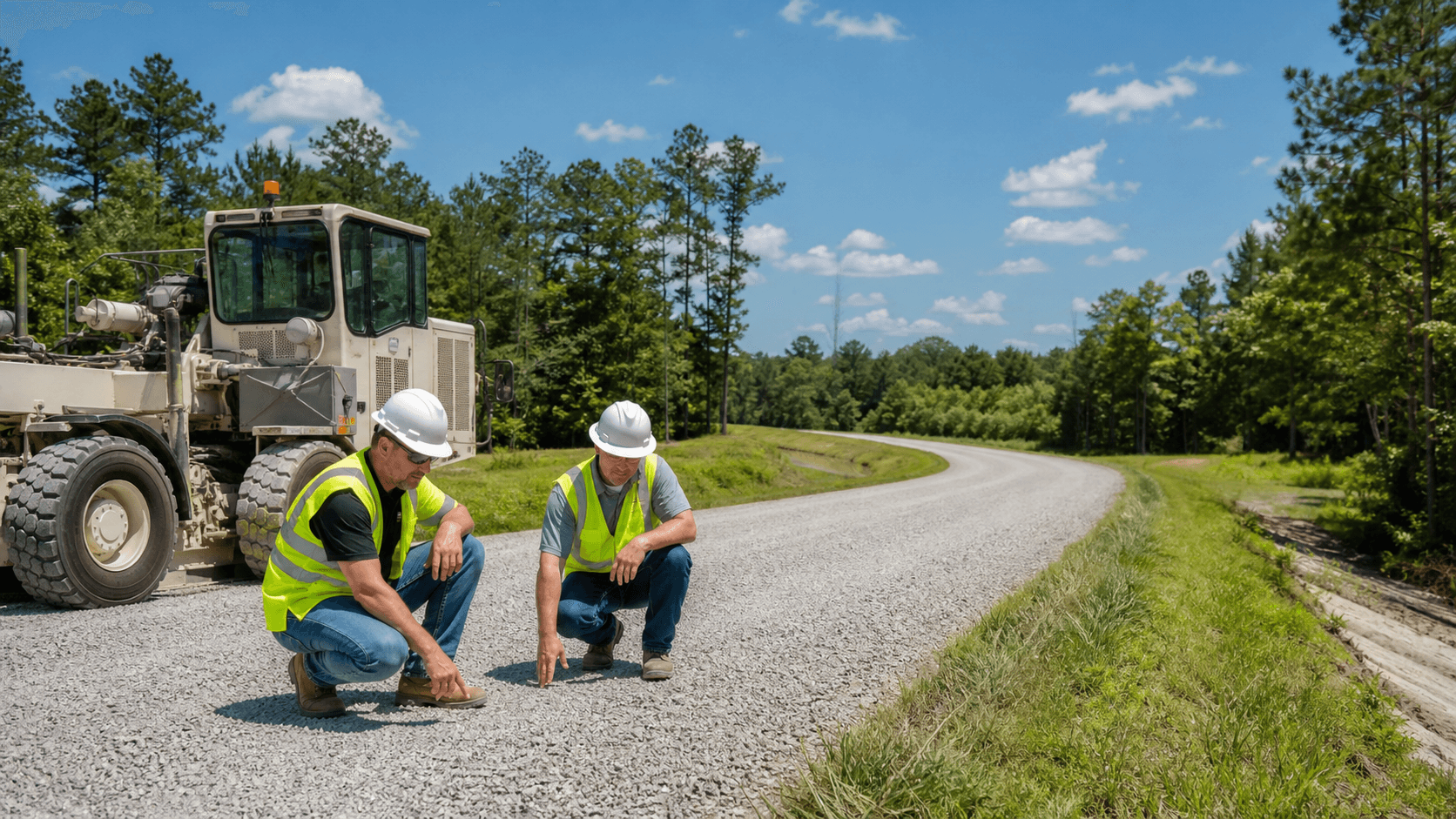
Skipping soil prep increases the risk of surface failures. Pavement cracks, concrete slabs settle unevenly, or gravel roads turn back to mud. Addressing the ground underfoot before pouring, paving, or grading helps avoid these problems when colder, wetter weeks arrive.
The Role of Soil Stabilization in Fall Construction Projects
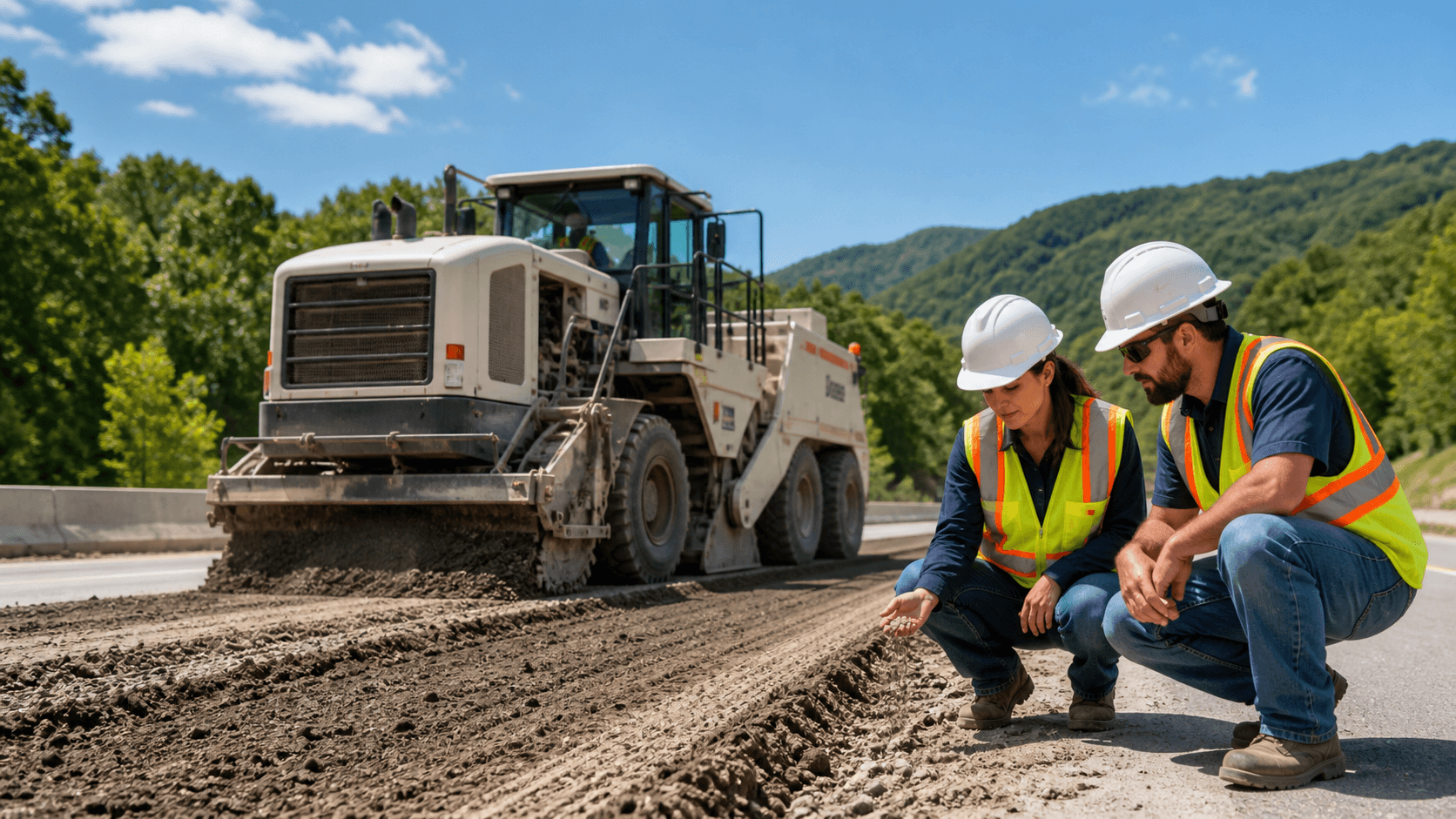
Soil stabilization is the process of strengthening ground that doesn't naturally hold together under pressure. It improves the soil by changing its properties so it can support heavy use without shifting or sinking. This is done by blending the existing soil with additives that help it bond and compact better.
For fall construction in Huntsville, this is important on jobs like:
- Road resurfacing or expansion
- Driveways or parking lot restorations
- Heavy-duty pads for equipment or structures
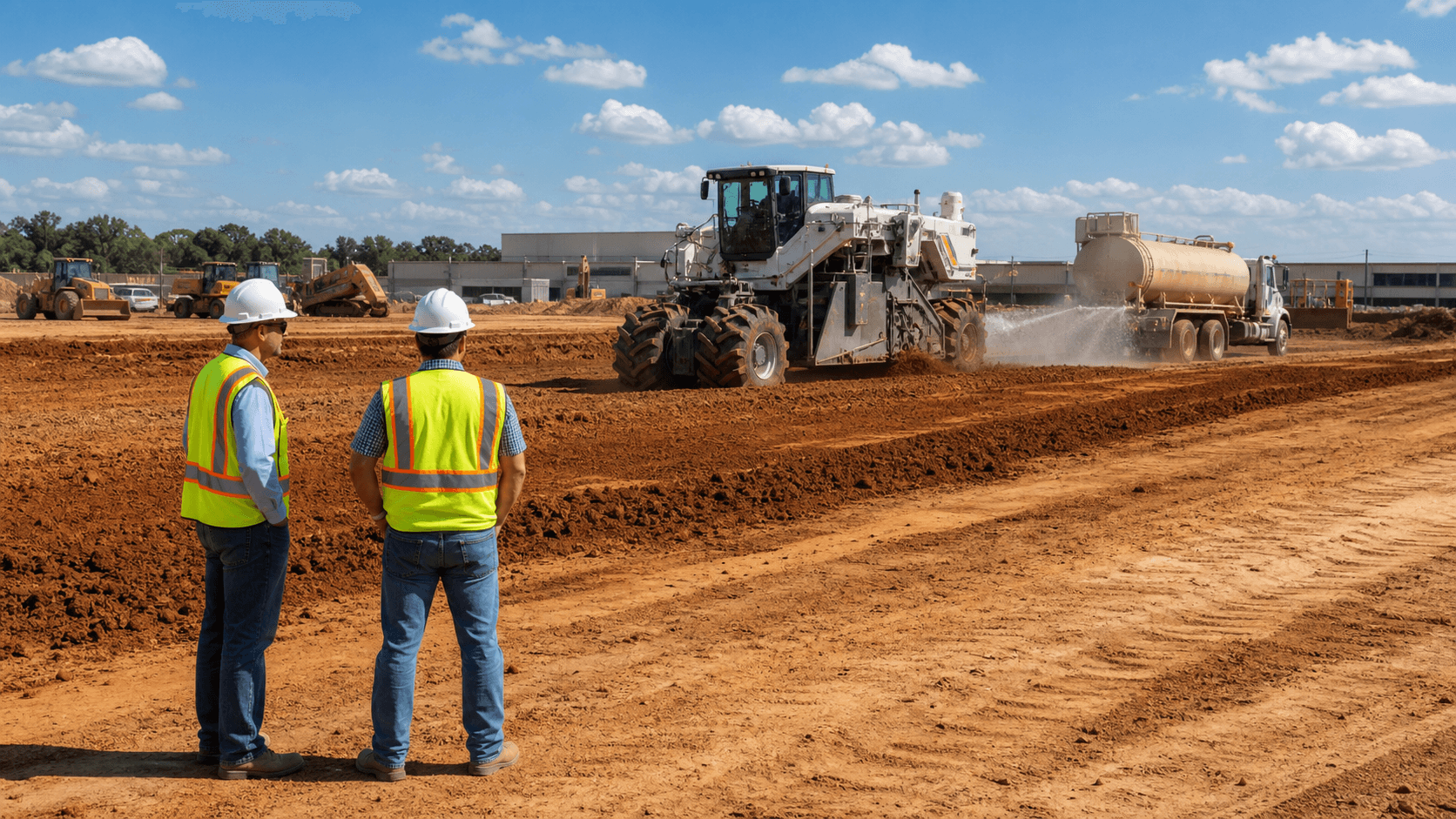
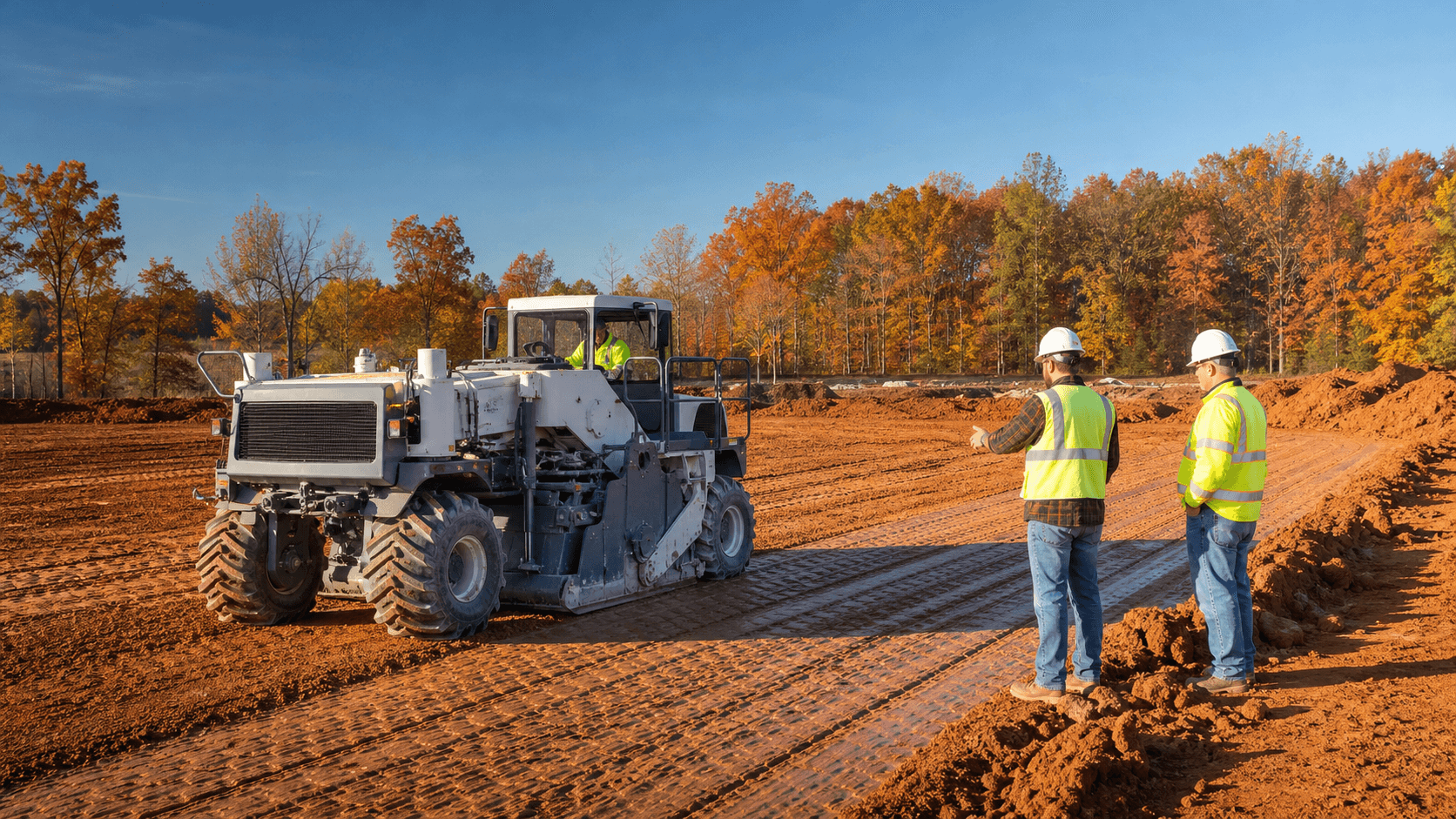
Before surface work starts, we work the ground to the needed depth, blend it with stabilizing agents, and reshape it. Once compacted, this new base supports whatever is built above it. It helps prevent problems from water, temperature changes, or pressure from heavy gear.
When this is done right, it lets the rest of the job move forward with less risk of things going wrong or needing to be redone.
Benefits of Stabilizing Soil Before Late Fall Rain Sets In
The best time to stabilize soil is when it isn't too wet or too cold to work with. That means early to mid-fall is our priority window in North Alabama. Once the rain starts rolling in more often, the ground holds water longer, making it harder to compact and cure treated layers.
There are a few key reasons why this earlier timing matters:
- Compaction is more effective when the ground starts off dry
- Stabilizers bond better when moisture levels are manageable
- Projects avoid unexpected soft spots after early rainfall hits
Treating the soil before rains arrive helps prevent the surface from absorbing too much water too quickly. That keeps materials in place and reduces the amount of repair or rework needed before winter shuts progress down even further.
Terra-Firma Stabilization & Reclamation uses field and lab-tested blends of lime, cement, and fly ash to reinforce Huntsville's varying soils before wet weather arrives. Our site-specific analysis and equipment enable us to treat pads, roads, and parking lots with the right mix, so fall projects are ready for rain and cold snaps.
Keeping a Project Moving Without Full Soil Removal
In many cases, we don't need to haul off bad soil and replace it. That takes time, adds cost, and invites more delays. Stabilization gives us another path. By treating what's already there, we can improve weak or loose soil directly on-site.
This is especially useful during fall when weather breaks are shorter. Removing and replacing soil would often stretch a project too far into late fall or winter, when dry days are less common. Treating on-site lets us adjust quickly and keep a tight schedule.
Blending the existing soil with the right stabilizers means we're not waiting on material deliveries or worrying as much about weather gaps. The process moves faster, fits into tighter windows, and still gives us a ground layer we can count on.
When and Where Soil Treatment Makes the Biggest Difference
Some fall jobs benefit more from soil stabilization than others. Projects that involve large surface areas or carry constant weight need the most help holding up through the season. These often include:
- Road widening or full-depth repairs
- Resurfacing work that reuses the base
- Parking lot upgrades or expansions
When the soil under these areas is ignored, it doesn't take long for issues to show up. We've seen jobs delayed or redone after the first storm exposes untreated soft spots. Drainage paths shift, gravel washes out, or tire ruts form in areas that should have stayed flat.
Huntsville, Alabama, has its own set of location-specific challenges. Older fill used in past projects, tree roots, and stormwater runoff can all cause small shifts that break down the base. Soil treatment protects against that by giving the ground more strength and making it better at handling change. When the right method is matched to the soil's characteristics, weak areas can be reinforced to handle seasonal change with better reliability.
Long-Term Payoff of Stabilizing Before Weather Turns
Stabilizing soil in early fall doesn't just help in the moment. It stops a cycle of seasonal repair that costs more time and effort when winter turns to spring. Ground that's been properly treated holds shape longer and handles freeze-thaw conditions better.
When soil is strong before wet and cold conditions lock in, it sets a solid base for whatever comes next. Temporary fixes done late in the season rarely last. But treated layers that had time to set and settle don't usually need a redo once the weather shifts back again.
The key is acting during that short window before steady rain begins. That's when the soil is still easy to work with and weather delays haven't stacked up too high. Treating the base early helps avoid surprises when it's much harder to fix them. It also builds in more confidence that the project will hold up long after the season changes.
Tight timelines on fall construction projects in Huntsville call for early action to reinforce the ground before the weather shifts. Addressing weak soil conditions now helps prevent project delays, surface damage, and expensive rework later. Our approach to soil stabilization keeps your project on track by providing a steady base layer, even as temperatures drop and rain moves in. At Terra-Firma Stabilization & Reclamation, we build lasting stability so you can keep working without interruption. Contact us today to schedule soil treatment before seasonal changes impact your plans.