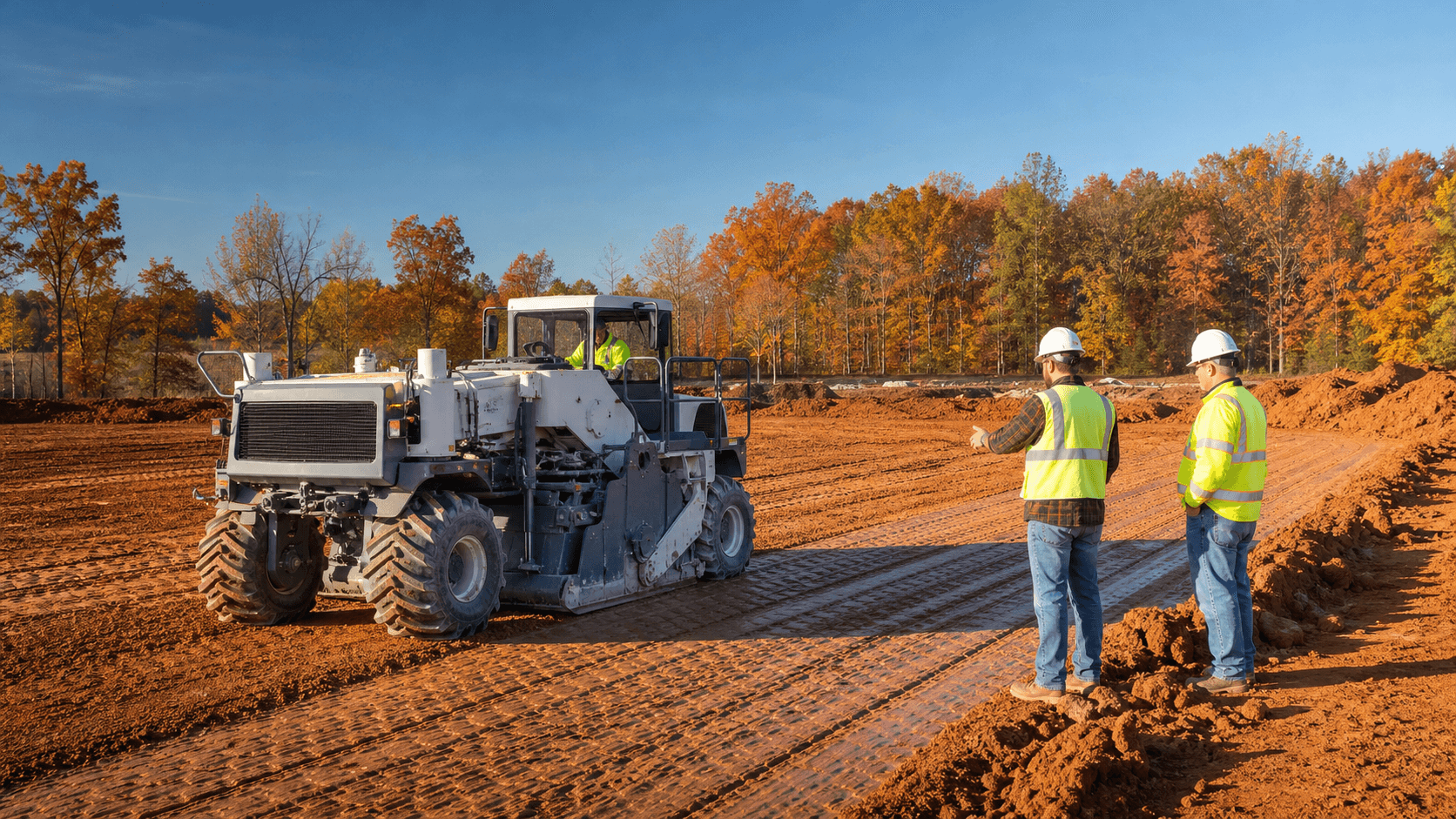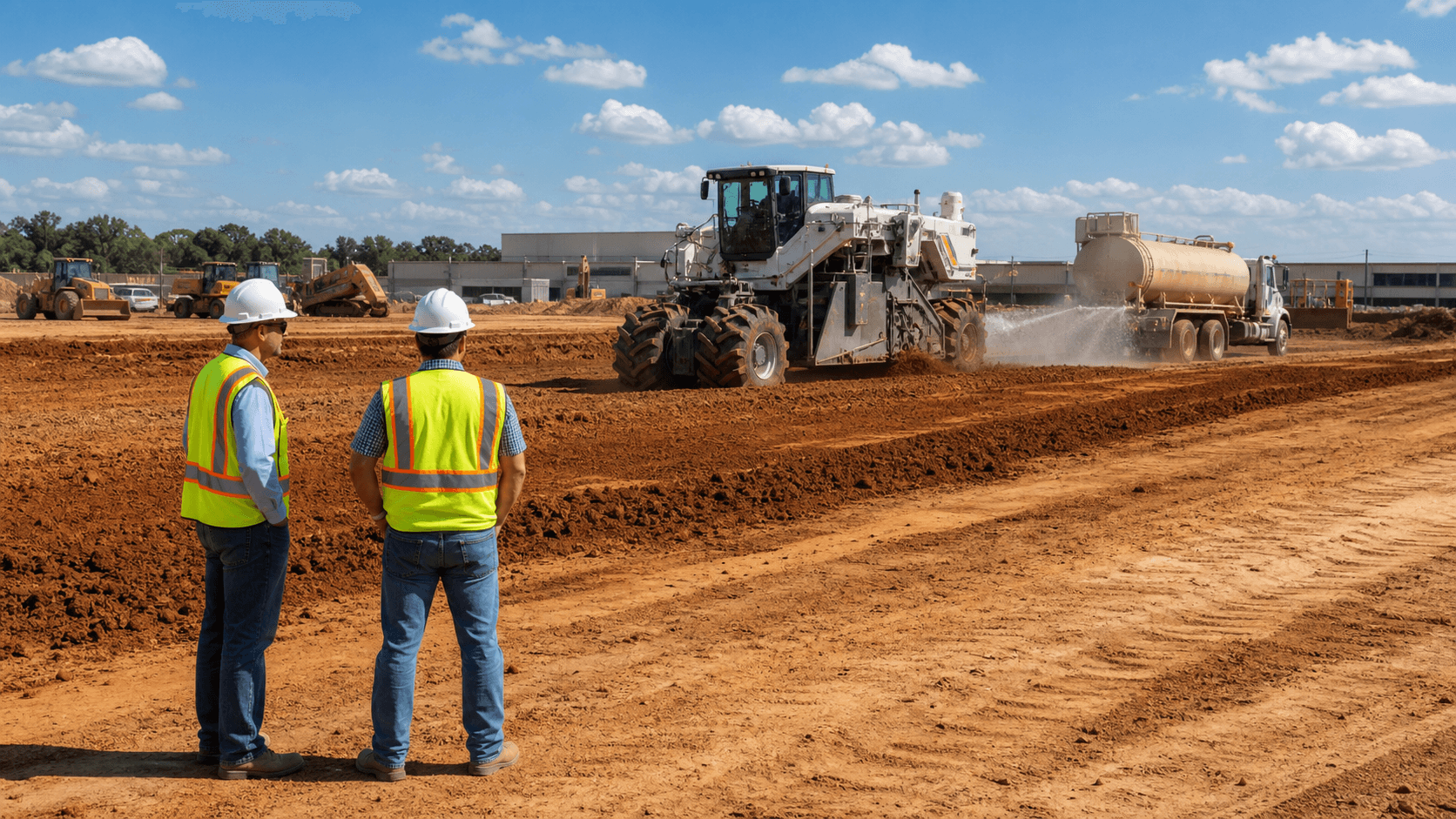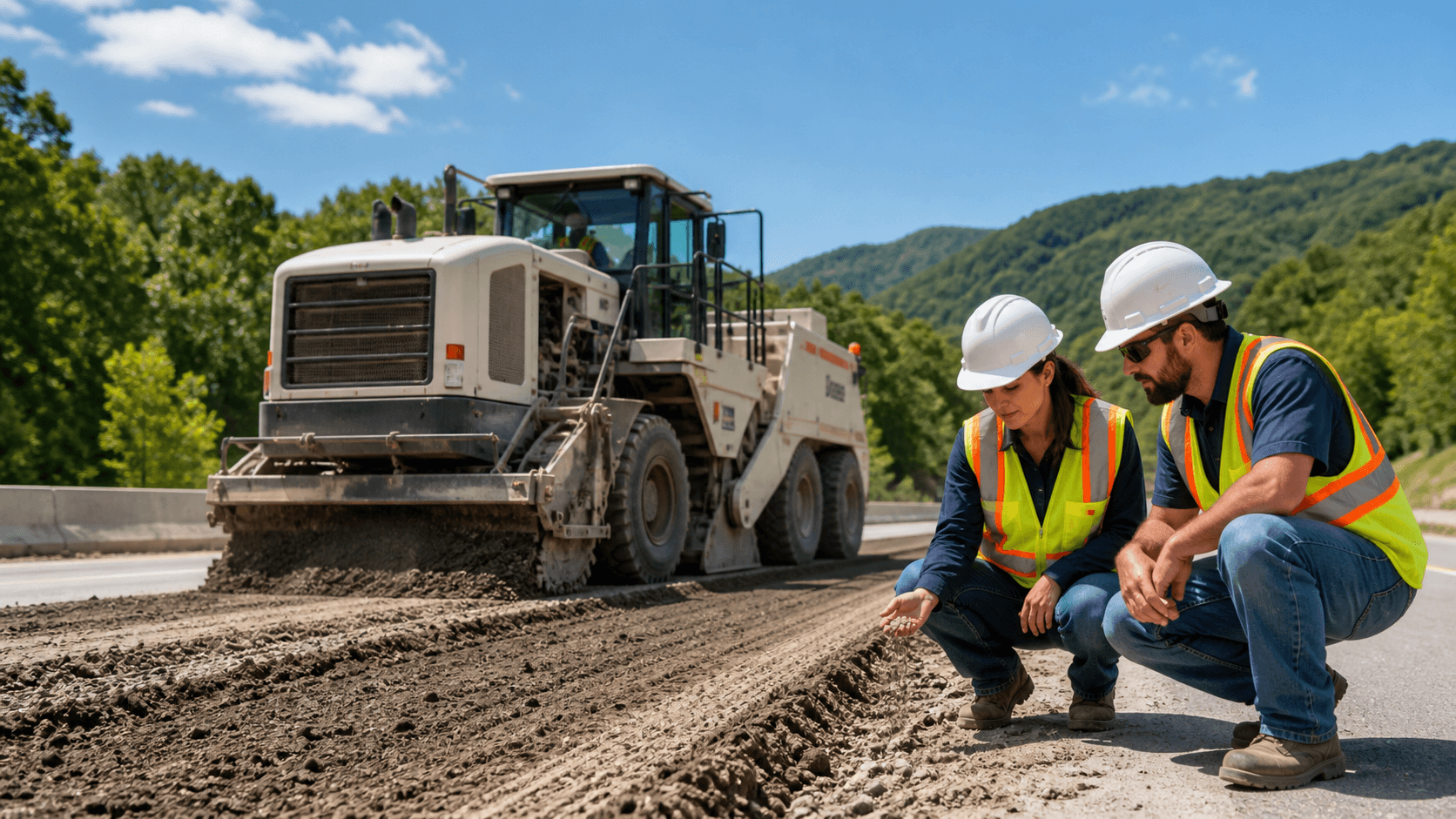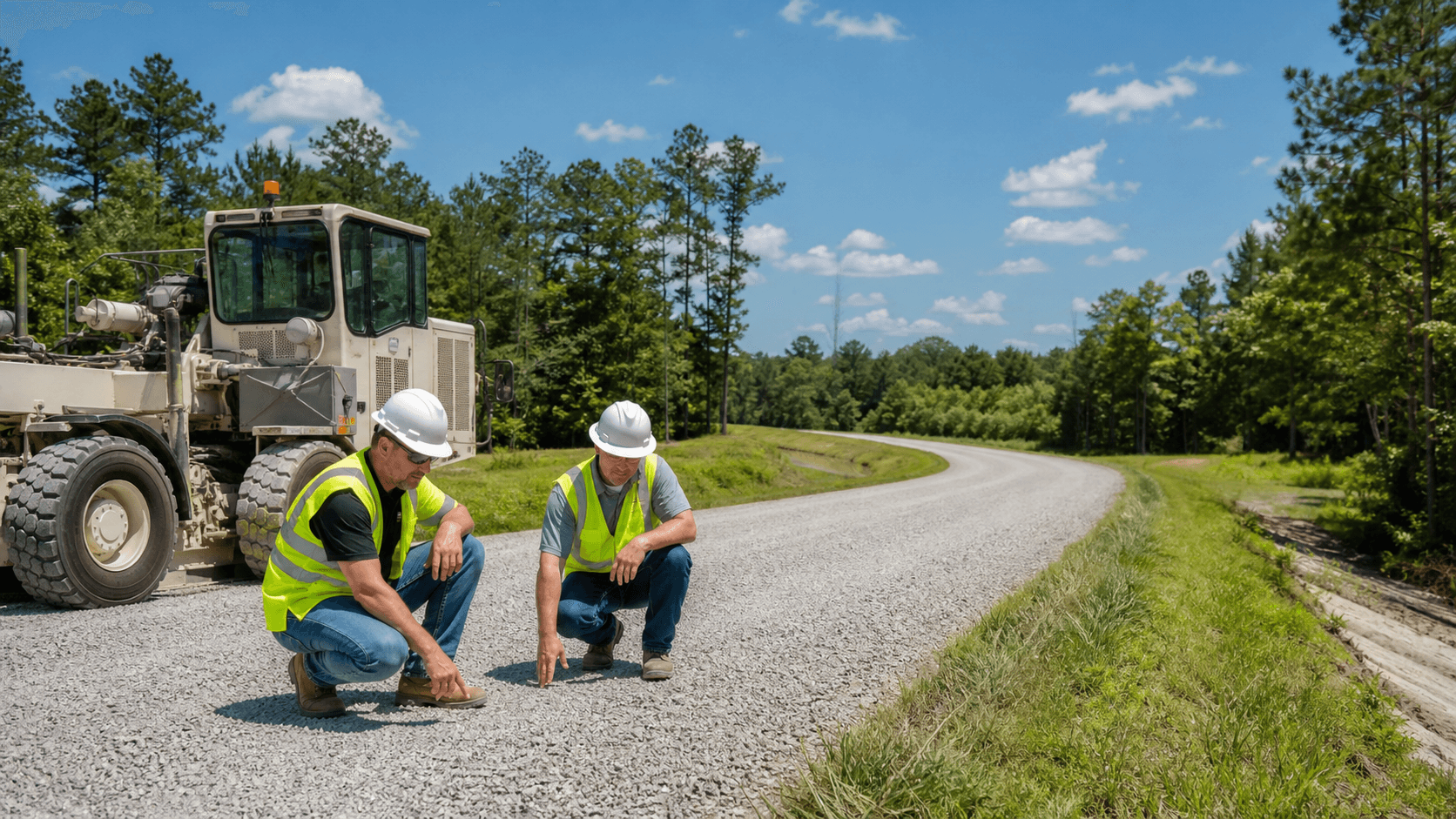
In Huntsville, road problems often start from the ground up. Over time, asphalt layers crack or wear down, but the real issue usually lies with what's underneath. That's why road reclamation has become such an important process here. Instead of just patching over damaged pavement, it rebuilds the road starting from its foundation.
When done well, this process improves the surface and gives it a better chance of lasting through all conditions. Two years is enough time to see how well those reclaimed roads perform, especially through Alabama's spring rains and summer heat. If you've ever driven a route and noticed it staying smoother or holding up better than expected, road reclamation probably played a part in that.
How Reclaimed Roads Handle Weather in North Alabama
Huntsville's weather can be tricky for aging roads. Summers are long, hot, and often dry. Winters stay mild but tend to come with steady rain and short spells of freezing temperatures. These patterns create stress cycles for all kinds of surfaces, especially when water gets trapped under the pavement.
Reclaimed roads tend to deal with these changes better than older roads that were just patched or repaved. Here's why:
- The rebuilt base allows water to drain more efficiently, so pressure doesn't build under the surface during heavy rain.
- Treated soils beneath hardened layers hold their shape better during repeated heating and cooling throughout the year.
- Edges of roads don't fray as easily, which helps reduce widening cracks or deep ruts that typically show up after wet winters.
As seasons pass, these improvements become more noticeable. Over time, areas treated with full-depth work continue draining and shedding water effectively, even after multiple winters and storm seasons. The risk of deep potholes or rutting is reduced, and the surface remains more stable under traffic, providing a smoother and safer drive.
Terra-Firma Stabilization & Reclamation uses advanced full-depth reclamation and stabilizer technology to rebuild road foundations, custom-blending material mixes for Huntsville's different subgrades. Our equipment reconstructs pavement structure from the base up, ensuring even heavy-use or weather-prone locations hold up season after season.
What Drivers and Crews Notice After Two Years
It doesn't take an expert to tell the difference between patchwork fixes and roads that were fully reclaimed. After two years, the improved stretches of road still feel more stable. Things like potholes, uneven lanes, or loose gravel surfaces are far less common along these corridors.
Drivers often notice fewer bumps and smoother transitions between sections. That's because the base holds firm, so surface layers don't heave or shift over time. On top of that:
- Crews report fewer repeat visits for crack sealing or edge break repairs.
- The pavement remains even where it meets sidewalks or curb lines, rather than sagging or peeling back.
- Reclaimed roads keep their shape through frequent use, which lowers the risk of rutting from truck traffic or farming equipment.
Maintenance crews appreciate the reliability of reclaimed roads as well. When routine maintenance checks come around, crews find they are spending less time redoing small repairs and more time keeping drainage routes clear or managing other seasonal needs. It allows resources to be allocated more effectively and keeps traffic disruptions to a minimum.
The Lasting Value Behind the Surface
One of the main reasons road reclamation holds up well over time is because it reshapes the foundation. We are not just building a smoother top layer, we are stabilizing the materials underneath, treating weak spots, and packing down solid base material that resists shifts from moisture or pressure.
This deeper method provides value long after the work is complete. Instead of simply covering up problems, the underlying structure is improved for lasting strength.
- Strengthened bases reduce the risk of cracks that usually creep in from below.
- Treated soils stay firmer and drier, even during long wet periods.
- Both city crews and private property owners spend less time revisiting the same trouble areas.
These gains become clearer with time. That means fewer road closures, fewer surprise holes or dips for drivers, and longer cycles between major repair projects. In most cases, we are getting more stable mileage out of every stretch we reclaim, keeping long-term budgets under better control.
Where the Work Still Shows Two Years Later
Even when reclaimed correctly, roads won't look completely perfect forever. Two years in, you can still spot where the work was done, though it's usually a good sign, not a bad one.
Here are a few areas where you might notice small differences:
- Joints or seams may settle a little differently compared to untouched areas, though they still tend to hold shape better than original pavement.
- Transition zones near storm drains, intersections, or shoulders may show slightly more wear, especially with heavier run-off or erosion nearby.
- Some roads still show texture or surface color changes where machinery began or finished its passes, even if the surface remains strong.
Traffic also plays a role. High-use roads near industrial or commercial areas might show more scuffing along the edges. Quieter residential streets, on the other hand, often keep the surface looking close to new, even two years out. The surface characteristics, such as small variations in texture and color, don't detract from the function but offer a way to see how the construction progressed.
Pavement that has been rebuilt deeper and stabilized tends to maintain its engineering qualities, keeping drivers safer and travel more predictable.
Why Road Reclamation Projects Matter Long-Term
Looking at how reclaimed roads perform after two full years helps show their value over time. When roads are built from stronger foundations, they stand up better to whatever Alabama weather throws at them. The surface holds longer, maintenance needs drop, and drivers notice a safer, smoother path beneath them.
Planning repairs with long-range results in mind leads to fewer return visits and better use of local resources. Road reclamation doesn't just fix pavement. It makes the ground itself stronger, keeping roads in better shape for years to come. Two years in, that difference is easy to see.
Road work throughout Huntsville, AL, often relies on methods like pavement reclamation to create a stronger foundation that endures Alabama's seasonal changes year after year. At Terra-Firma Stabilization & Reclamation, we focus on lasting solutions that help minimize repeat repairs and keep your roads, lots, and surfaces in top shape for the long haul. Reach out to discuss the right next steps for your project.