Introduction
In Chattanooga, roadbeds take a beating as winter fades into spring. The temperature rise might be welcome, but fast shifts from freezing to thawing and the return of heavy rains can quickly turn a solid road surface into a problem spot. This is the time of year when you start noticing more cracking, soft shoulders, or dips in the pavement that did not exist before.
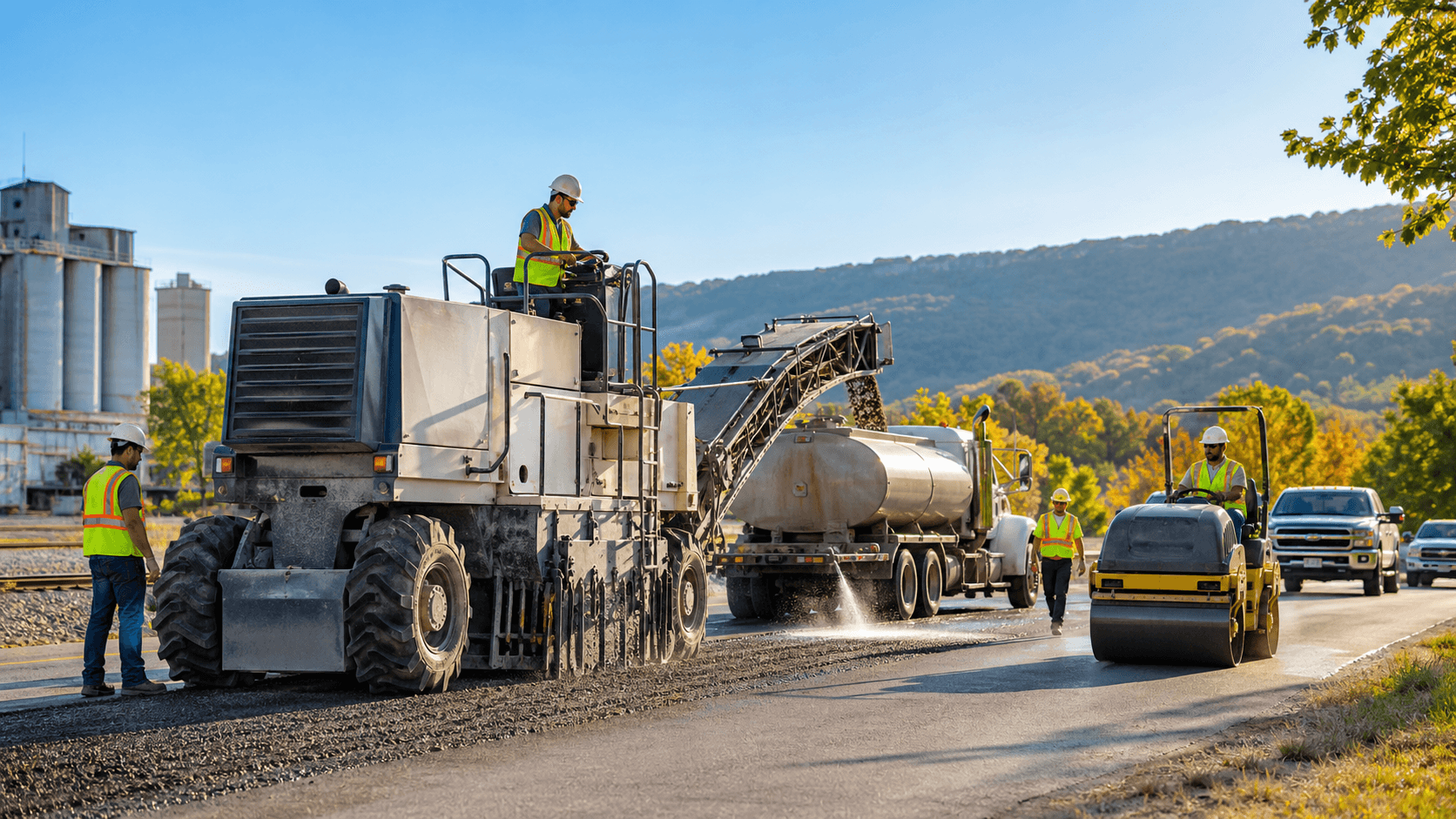
That is where pavement reclamation becomes useful. This is a process that works with the damaged road that is already there by grinding it down, mixing it into the base, and strengthening it in place. Done right, it gives new life to weatherworn roads without needing to remove everything. But timing plays a part. Doing the work too early or too late can affect how well the reclaimed surface holds up. Spring hits differently in Chattanooga, and early spring offers a window that is hard to beat.
Understanding Chattanooga's Seasonal Impact on Roads
Late winter and early spring can be rough on roads here. The temperature patterns are unpredictable, and the repeated freeze-thaw cycles have real effects. One day brings ice, the next a warm rain, and that starts loosening the grip between pavement and the soil below.
- Water sneaks into small cracks during warmer days, then freezes overnight, widening those cracks
- Once frozen moisture thaws, it leaves space under the surface, creating weak spots
- Spring rain adds more pressure by softening the ground and soaking into the base layers
That leaves many roads vulnerable, especially where drainage is not perfect or traffic pushes those weakened areas even further. By mid to late March, the signs are clear, yet the soil has not dried out fully. That mix of moisture and instability creates a tight repair window that, if used well, sets stronger foundations leading into summer.
Why Pavement Reclamation Works Best in Early Spring
When we look at the materials and processes used in pavement reclamation, one thing is clear, spring is when things work best. The ground is still soft enough to break apart. Moisture is present at levels that allow binders to set more evenly during the mixing stage.
- Moisture helps stabilizing materials like cement or lime cling to the mix and cure consistently
- If we wait too long and the soil dries out, that balance becomes harder to control
- Hot weather complicates the compaction process and can cause reclaimed surfaces to dry unevenly
Planning road repair work early in spring helps in more ways than just good soil condition. Scheduling around this time is often easier, long before summer demand stretches crew availability. It also fits well with other early-year prep work that happens throughout local municipalities before higher temperatures arrive.
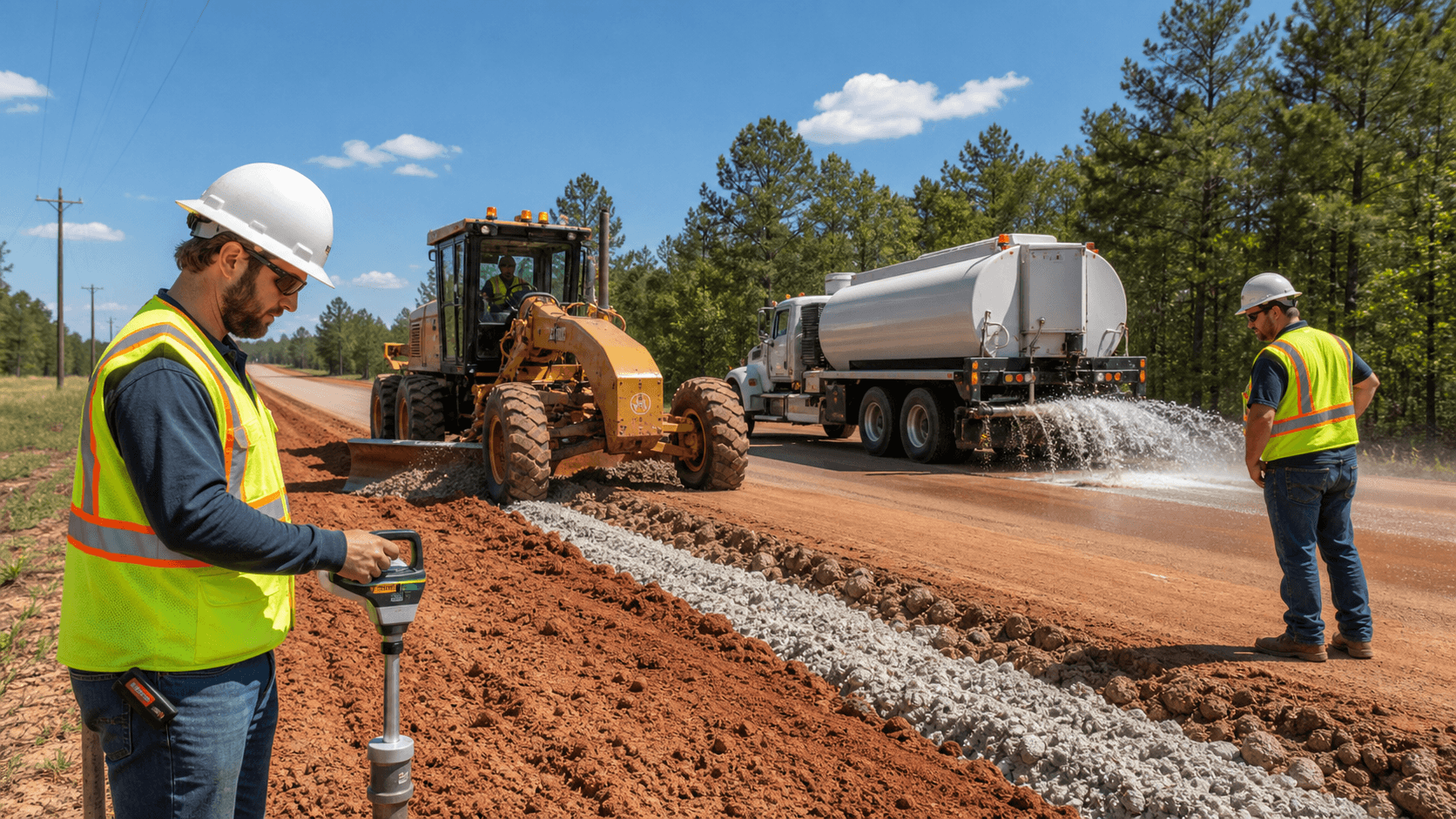
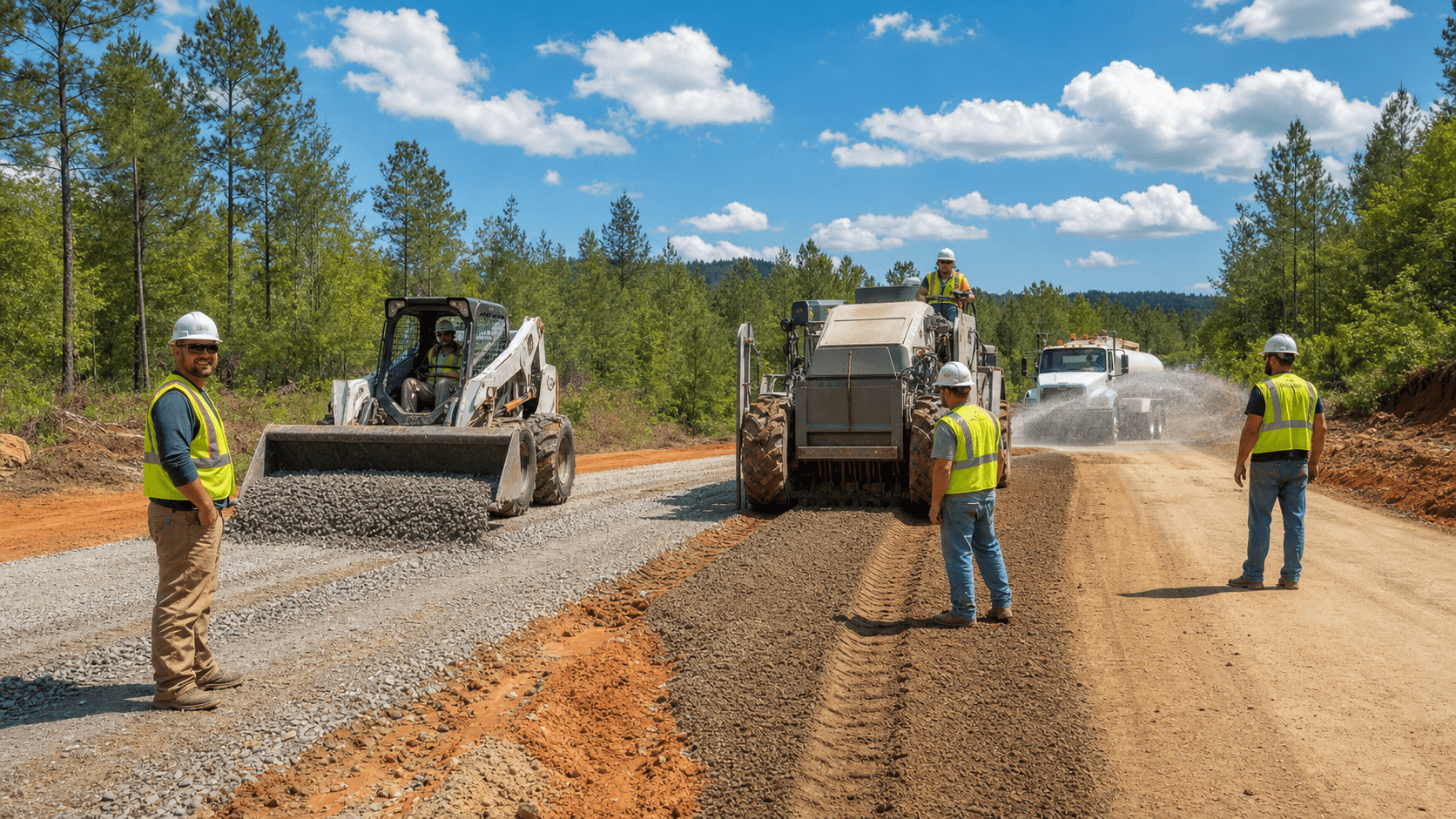
Terra-Firma Stabilization & Reclamation offers full-depth reclamation services that recycle the existing pavement and base into new engineered layers. Our approach increases pavement strength and lifespan while keeping costs lower by reducing the need for hauling and new materials.
How to Tell a Road Is Ready for Reclamation
We do not jump into reclamation just because the calendar says spring. There are physical signs that tell us when a road has reached the point where working with it makes sense. These signs show up fast after winter.
- Deep cracking that spreads in patterns across the surface
- Ruts and depressions where vehicles have worn down the center or edges
- Soft shoulders where drainage has let water pool and break down the support layers
Under the surface, we often find separation between the base and the remaining surface layer. In worst cases, large voids form that can not be seen from above. We try to catch these early. If we step in while the damage is manageable, we can prepare a strong new base without waiting for full rebuilds. Reclaiming the road before summer heat gives it new structure while stopping worsening damage from spreading.
Local Factors That Shape Timing in Chattanooga
Chattanooga is not flat, and it does not have one type of soil. That makes timing just a little more complicated, but also more important. The slopes surrounding certain neighborhoods and the blend of soils under our roads affect how quickly damage builds and how quickly we need to move.
- Clay-heavy soil holds water longer and weakens base layers faster in spring
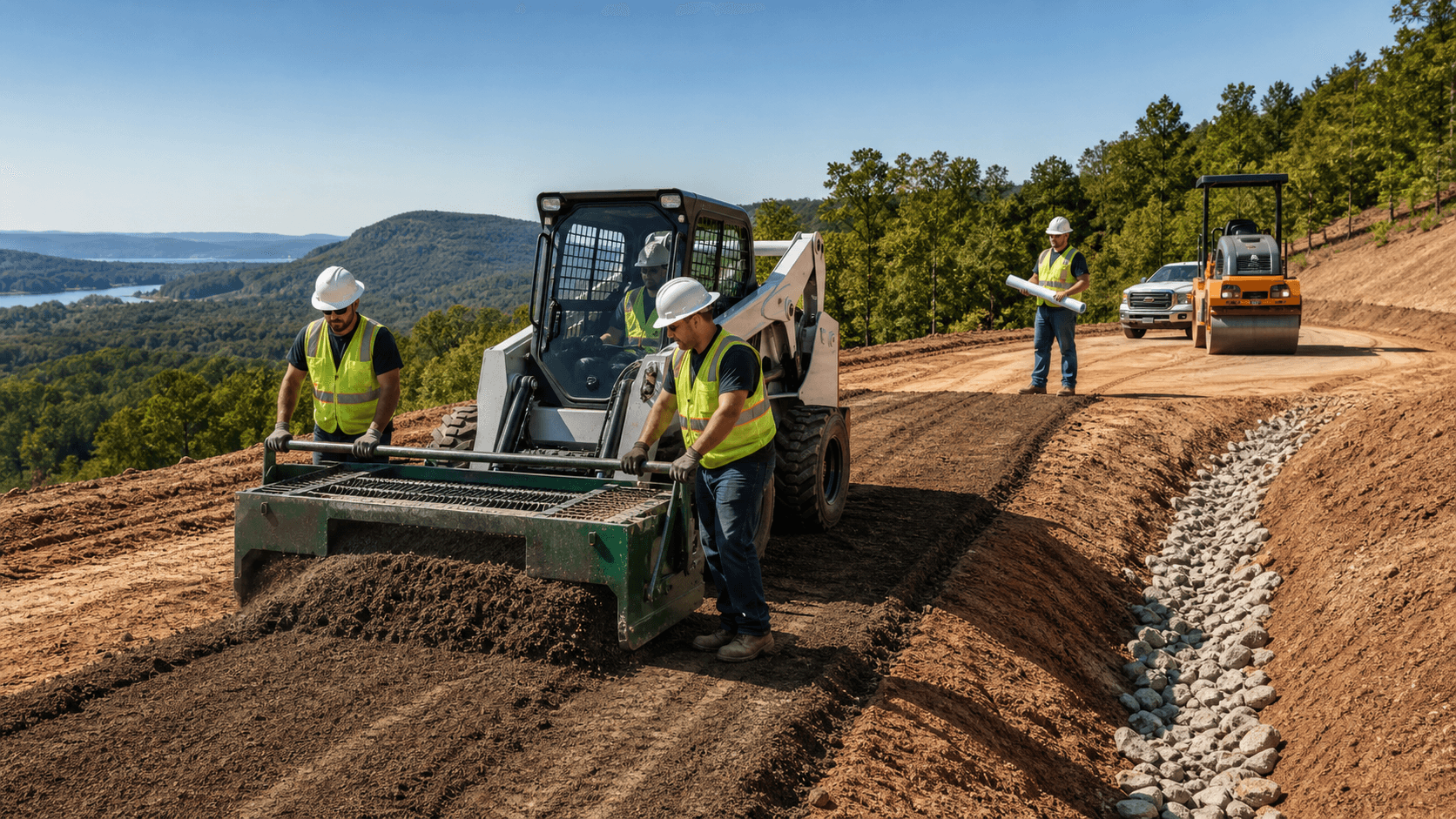
- Sloped roads invite faster runoff, which wears down shoulders and edges with every rain
- High-traffic stretches, especially near industrial areas or major intersections, need more urgent attention
When we choose where to begin the season's pavement reclamation, we factor these elements in. Some areas will come first purely because the shape of the land gives them less time before damage spreads. Being familiar with how different areas around Chattanooga respond helps us act before roadbeds reach a point where reclamation is no longer enough.
Our crews adapt reclamation techniques to different soil types and weather conditions by conducting site evaluations before the project begins. This site-specific process is key to ensuring durable pavement repairs in Chattanooga's variable environments.
Setting Up a Smarter Roadwork Season
When we set out early in the season to rebuild damaged roadways, we are doing more than just fixing what winter wore out. We are protecting the whole year's repair schedule. Getting started in early spring means less overlap with summer work and fewer delays from unpredictable weather.
Crews have a better working window now, when soil conditions are still right and roads have not seen the heavy surge in warm-weather traffic. Getting ahead of the curve like this helps stretch the lifespan of reclaimed surfaces while lowering the chance of more intense failures later on.
In Chattanooga, pavement reclamation lines up best with late March into early April. That space between frozen mornings and summer heat gives us everything we need under our feet and over our heads to get solid work done. Waiting too long can make things harder. Getting started now gives us stronger, longer-lasting roads by the time summer rolls around.
Reclaim the Season With Early Spring Projects
Roadways across Chattanooga are showing early signs of wear this spring, so now is the ideal time to reinforce them before summer begins. Leveraging our experience with soft soils, changing weather, and steep slopes, we rebuild damaged surfaces efficiently without complete reconstruction. Our approach to pavement reclamation ensures your project schedule stays on track. At Terra-Firma Stabilization & Reclamation, we are ready to help you take advantage of the spring season. Contact us today to discuss the best timing for your upcoming roadwork.