Introduction
Chattanooga summers don't hold back. Between the rising heat and sudden downpours, staying ahead of ground problems takes planning. It doesn't take long for saturated subgrades to become unstable, washing out packed material or turning dense clays into slick, shifting layers. When we're prepping sites in June or July, we know we're working right in the middle of that pattern. That's where the right ground stabilisation contractors matter most.
These early stages are the only chance to get the soil packed, dried, and reinforced before any weight hits it. So much of the project's long-term strength comes down to what happens before a surface is poured or paved. Picking teams and methods that match the Carolina clay with the calendar? That's what makes the difference when the storms start rolling in.
What Makes Wet Summers a Problem for Chattanooga Soil
Summer in Chattanooga brings more than warm weather. By late June, it also brings a steady rhythm of rain followed by extreme heat. Those back-and-forth shifts make holding grade or compaction difficult, especially on clay-heavy or silty sites.
- Clay doesn't drain quickly, so it tends to soak during rain and swell days later
- Silt holds water near the surface, making it hard to dry without sun and wind
- After storms, heavy equipment moves wet soil deeper into the profile, disturbing the level
The terrain here already challenges construction teams, but summer multiplies the risk when the same patch of soil is wet in the morning and cracked by the afternoon. Without care during base prep, the soil becomes loose, uneven, or worse, completely eroded in low spots. Those conditions make it harder for projects to stay on pace or stay safe.
That's why wet-season schedules need to be built around the soil, not the calendar. We've seen the difference in projects that adjust their timing based on moisture and density instead of just pushing ahead.
Choosing the Right Help for Soil Prep and Strength
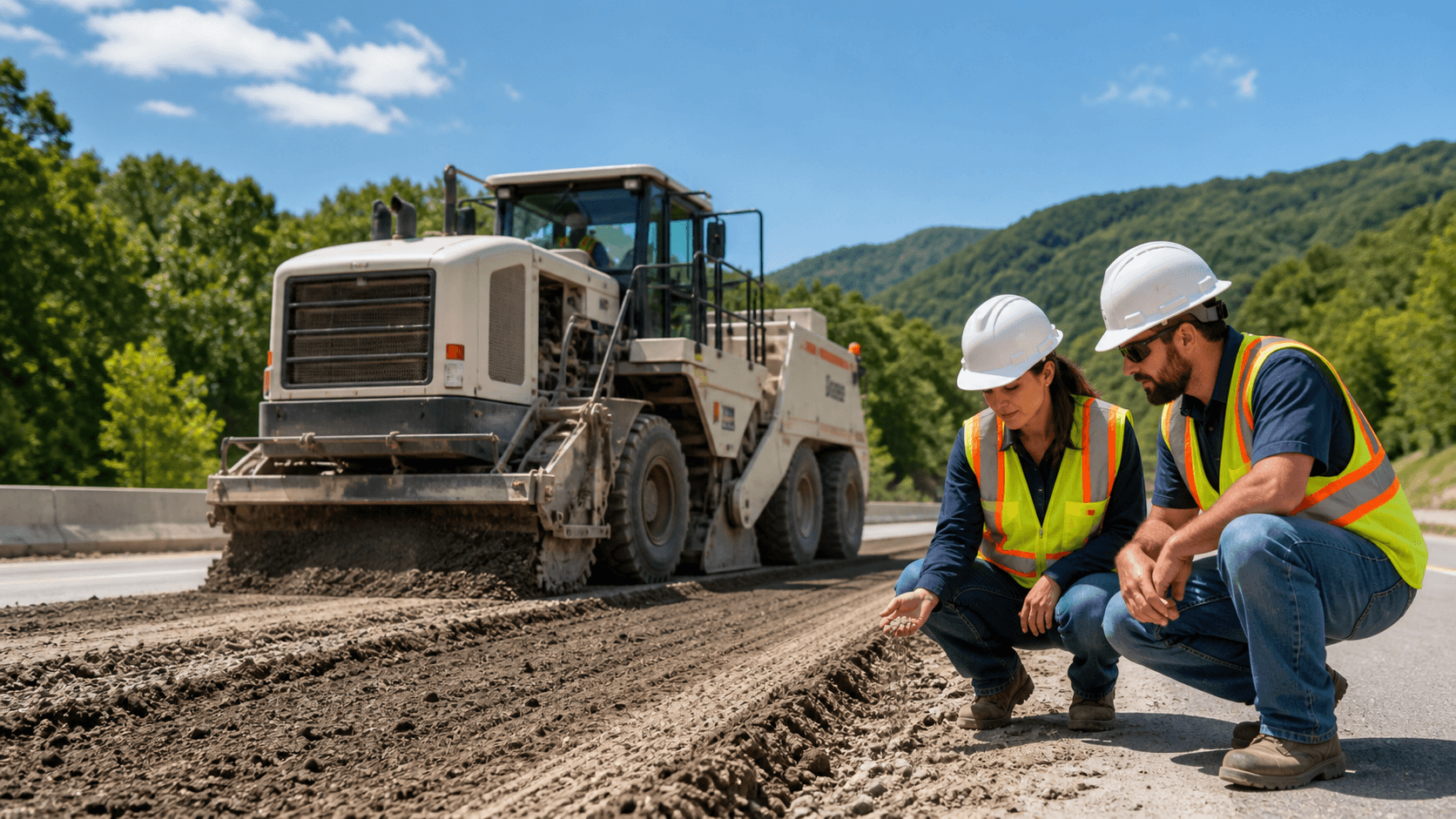
Not all crews approach soil the same way, especially during Chattanooga's rain-prone months. Ground stabilisation contractors have to read the land before the work begins. That means more than scratching the surface. It's about recognizing how wet the soil is, how tight the schedule may be, and how much traffic the final surface is expected to carry.
Here's what we pay close attention to:
- Surface moisture and saturation from recent storms
- Subsurface strength and how deep water has seeped
- Traffic expectations, whether it's for light footpaths or full truckload access
- Slope and drainage behavior of the site layout
The right work on the front end helps keep the project on track, even when storms hit later. It's never just about removing wet soil. It's about deciding whether to mix in additives, open up sections to dry, or compress while the ground still has just enough give. That mix of judgment and timing is what sets strong foundations apart from temporary ones.
Materials and Methods That Work Best in Summer
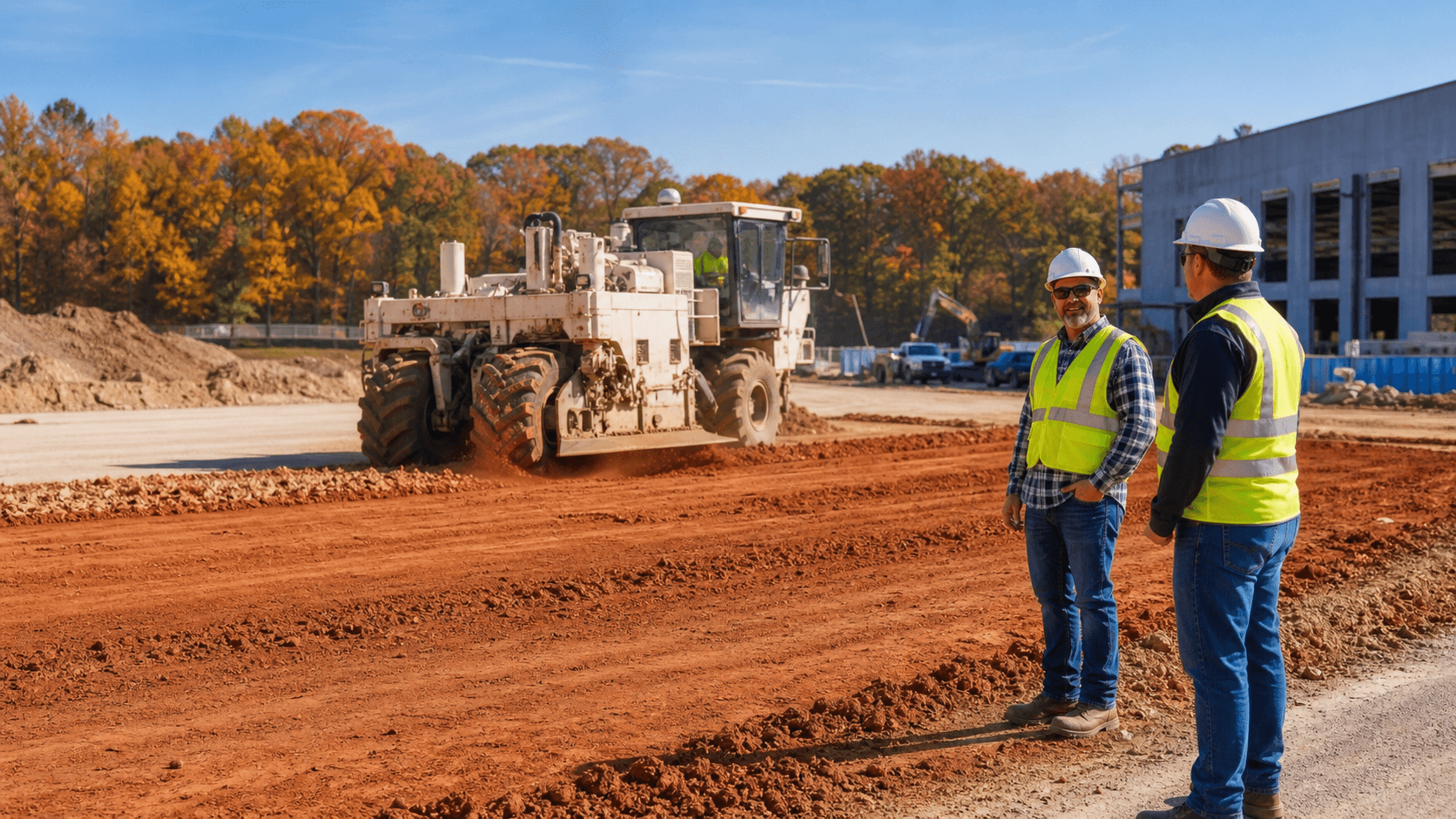
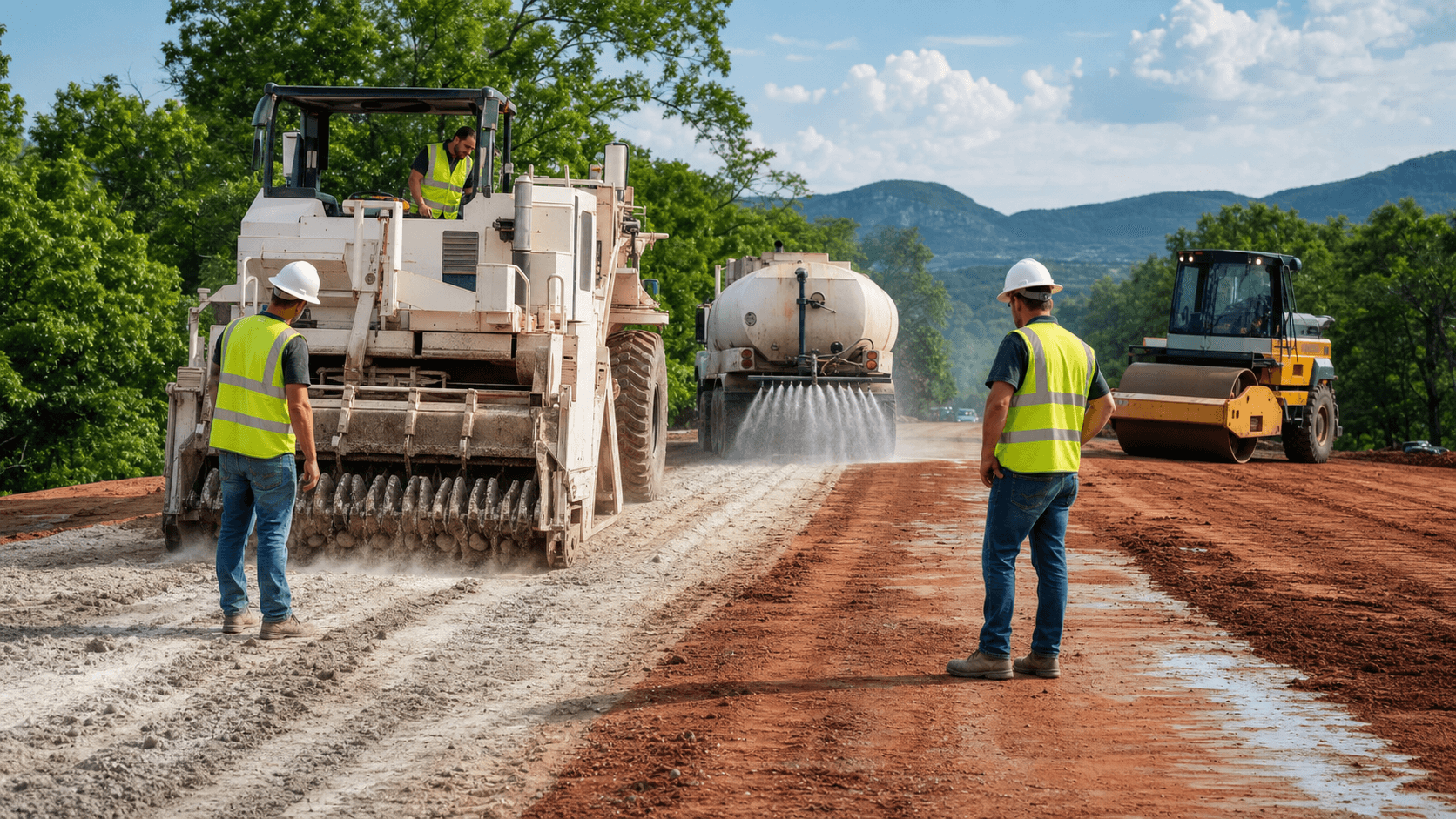
When the weather doesn't give us steady dry time, we turn to materials that help soil behave more predictably. Additives like lime, fly ash, and cement blends all bond with water in different ways. They help us take what's soft or spongy and firm it up so that it can handle pressure.
Here's how these materials help during wetter months:
- Lime reacts strongly with clay, drying it out and reducing swelling
- Fly ash can increase strength and help with compaction in silty ground
- Cement products boost density and bond the soil together for stable layering
But timing matters just as much as the mix. For example, using lime when the soil's too dry won't bind well. Dropping fly ash during an active rain cycle means it could wash out before blending. The goal is to read the site correctly, too wet, and the mix won't hold. Too dry, and the activation won't kick in. Summer actually gives us a narrow window where the moisture is just right for these materials to do their job.
Terra-Firma Stabilization & Reclamation uses state-of-the-art lime, fly ash, and cement blends chosen by extensive lab testing to maximize stabilization during Chattanooga's summer construction season. Our approach is customized for each site's soil type, anticipated traffic, and environmental conditions to deliver long-term results in Tennessee's challenging climate.
Common Issues That Come from Rushed or Skipped Stabilisation
We've seen what happens when prep is skipped or rushed. It may save a few days early on, but the problems come fast once the surface layer goes down.
- Cracking shows up when the ground below shifts unevenly
- Ruts form where wet spots sink under pressure
- Rework happens when areas have to be regraded or patched mid-season
Once vehicles or heavy loads hit a weak subbase, it's hard to fix without starting over. And sometimes the effects show up weeks later, after a heavy storm causes pooling or runoff. The lesson here is clear. Starting strong pays off longer than patching later.
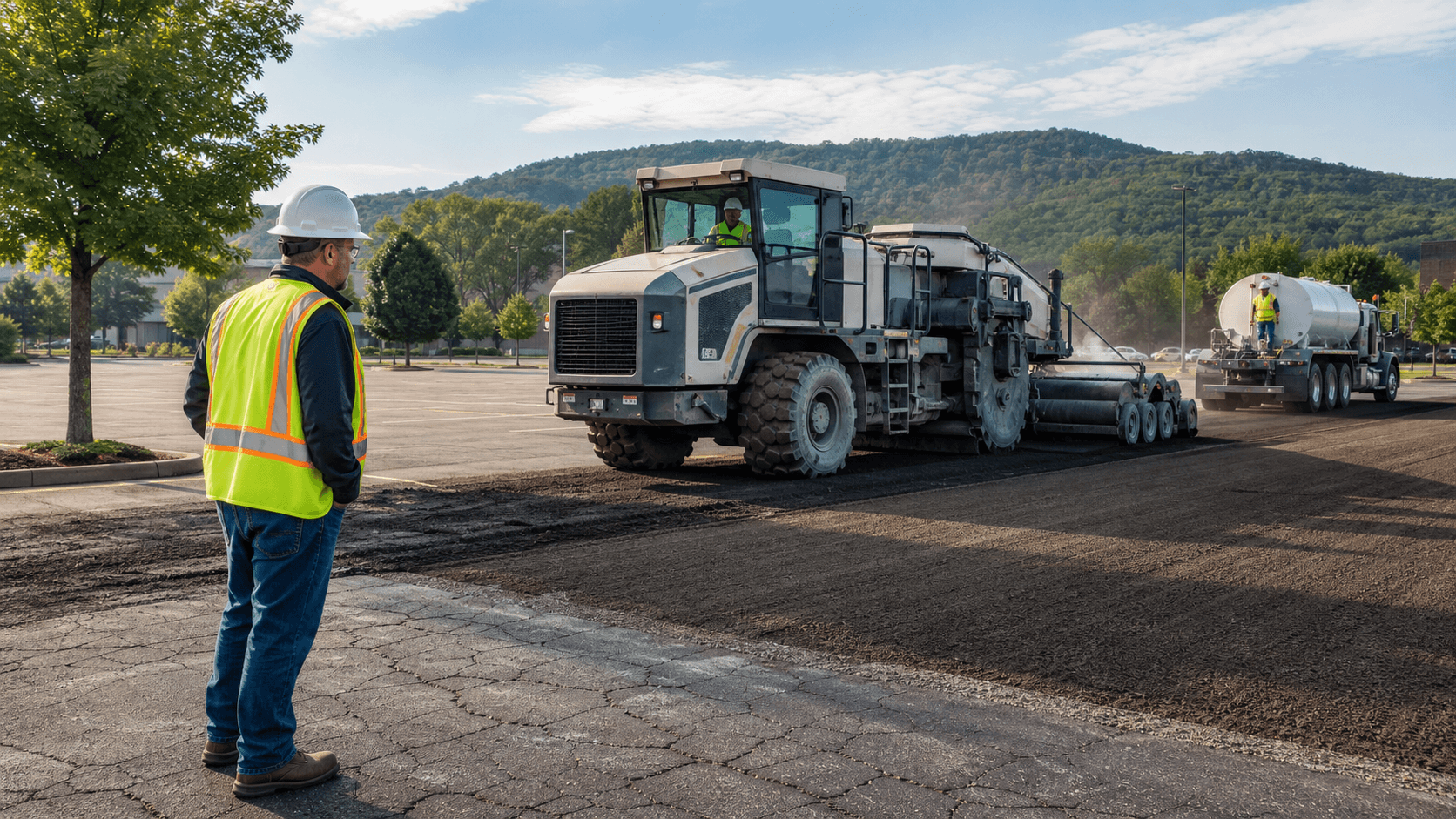
When we use stabilisation tools from the start, projects stay smoother, literally. The grading holds true. The transitions don't dip. And the surface doesn't show stress just from regular use. It's work that most people never notice, but that's the point. No settling. No shifting. Just steady, firm terrain under everything above it.
Building a Reliable Base Before Storm Season
By the time late June rolls around, we know the storms are coming. That's what makes proper soil prep so important right now. There's still time to work with the moisture left from spring, but not much. The longer we wait, the harder it becomes to get that perfect middle ground for treating soil.
Experienced ground stabilisation contractors in Chattanooga understand that window. They time their materials and methods to match it as closely as possible. Soil that's treated early enough can handle the rain that follows without breaking down. And once dry weather hits, that hardened base holds weight without cracking.
The work we do under the surface decides how well the surface holds up all summer. Well-compacted, well-timed prep lays the foundation for surfaces that survive traffic, heat, and runoff. And it starts with understanding what the ground needs right when the season turns. Preparing the base before storm season isn't just smart. It makes everything else above it last longer.
With summer site prep underway in Chattanooga, Terra-Firma Stabilization & Reclamation is ready to help you with changing conditions and maximize your project's success. Our team matches timing, material, and soil type for every job, making sure your work starts on solid ground. To optimize your budget and timeline, connect with our ground stabilisation contractors today.