Introduction
Late summer weather in Alabama can be rough on roads, especially in areas with red clay soil. After heavy rains, low-lying paths and rural stretches can soften fast, turning into rutted, washed-out messes that no amount of grading will keep flat. That is where the work of ground stabilisation contractors really matters. Instead of just managing surface wear, they look deeper, at what's happening under the wheels. Stronger ground makes a road that holds up better through storms, traffic, and Alabama's long rainy season.
Why Alabama Clay Roads Break Down So Easily
Alabama has some of the stickiest, most stubborn clay in the South. It is what gives unpaved roads their red color and what makes them almost impossible to keep in shape after too much rain. Red clay holds water, does not drain well, and turns almost slippery when wet, which makes vehicles sink and tires carve out deep ruts with each pass.
When you add summer storms and scattered showers into the mix, that soft soil shifts fast. The weight of farm equipment, trailers, or job site trucks only speeds things up. Once the top layer is disturbed or cracked, water flows into the base and weakens it even more. That is why you will often see repairs fail on the same stretches over and over. A little gravel or a quick regrade can cover the problem for a few days, but as soon as the next downpour hits, that clay road often gives way again.
The trouble is that clay does not just erode out, it pushes out to the sides or sinks from the center. Over time, the road widens in all the wrong places, with softer shoulders and uneven surfaces you cannot drive on without slipping or jolting. As the weather changes throughout the year, these problems can get even worse, making travel difficult for both work crews and local residents. When that happens regularly, it usually means the underlying soil needs more than another top-layer patch.
The Role of Ground Stabilisation in Long-Term Road Performance
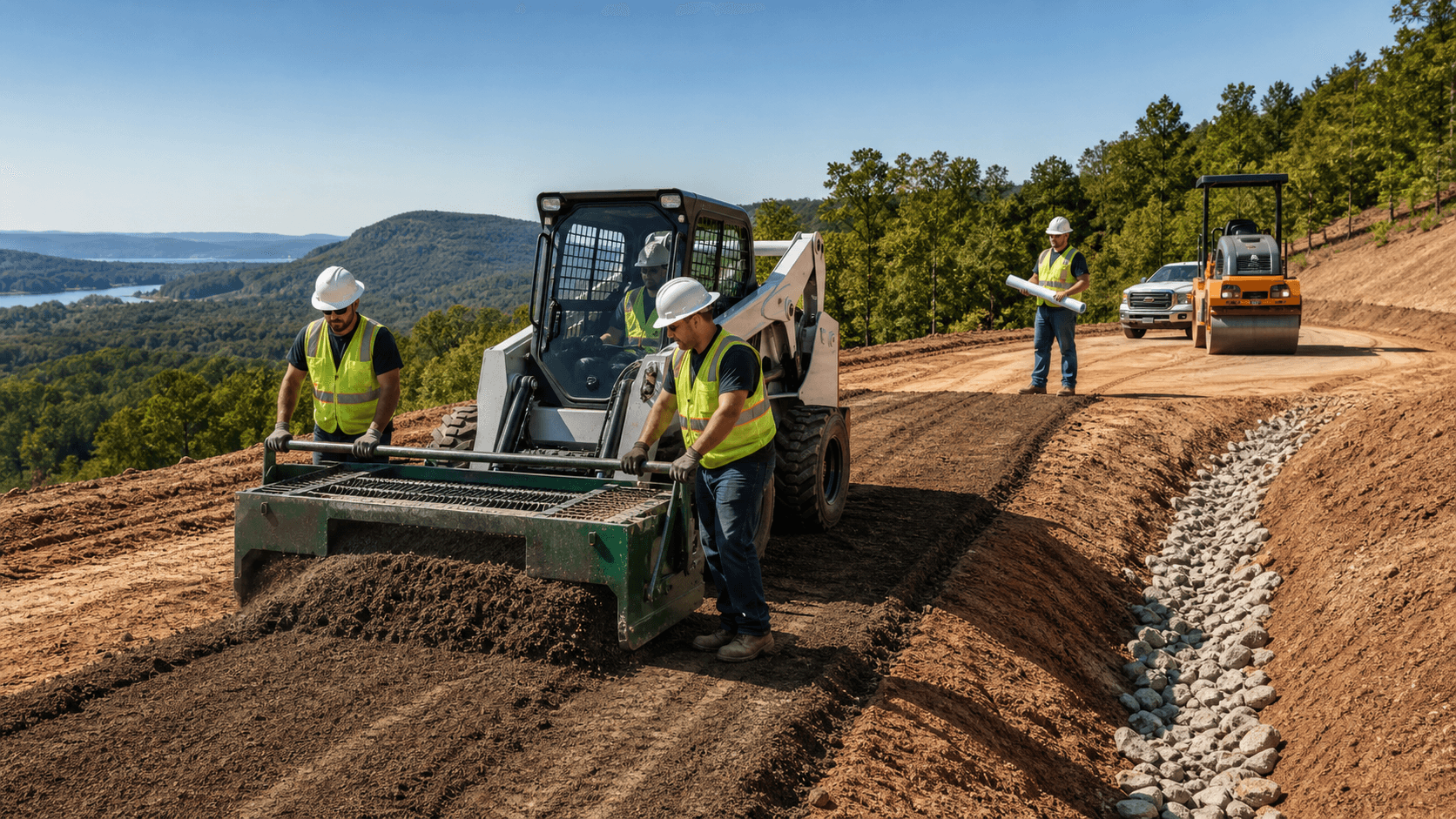
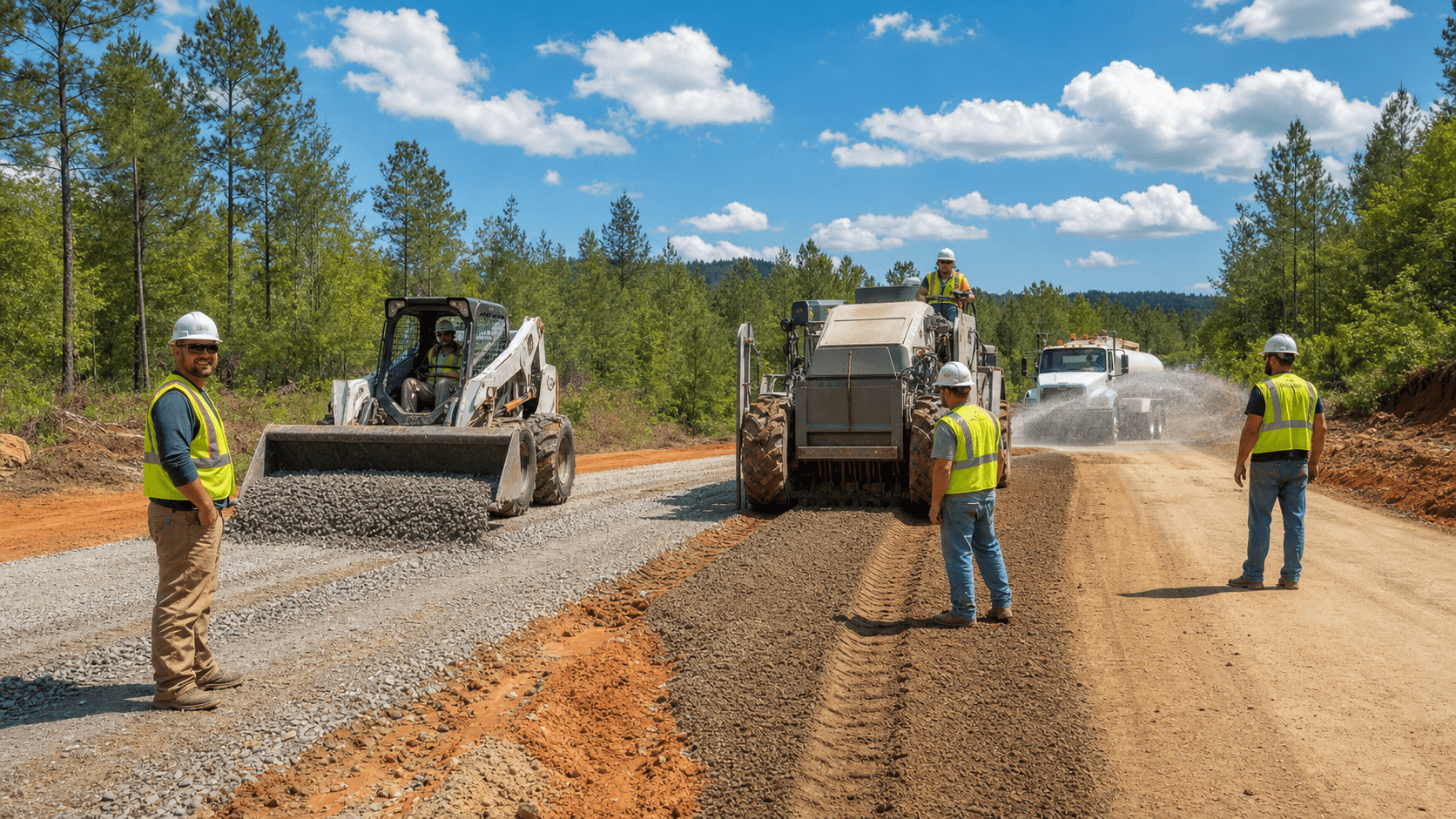
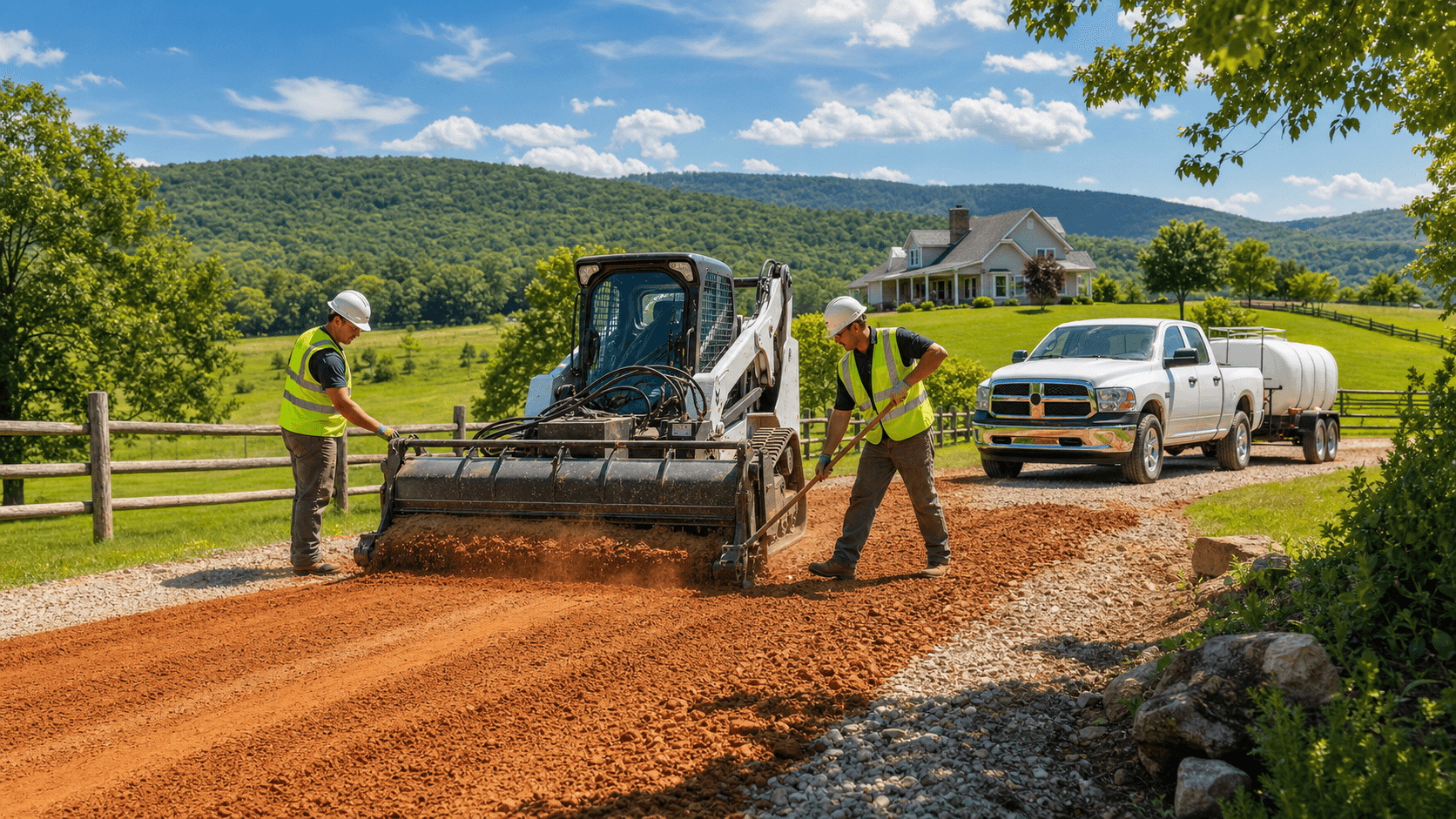
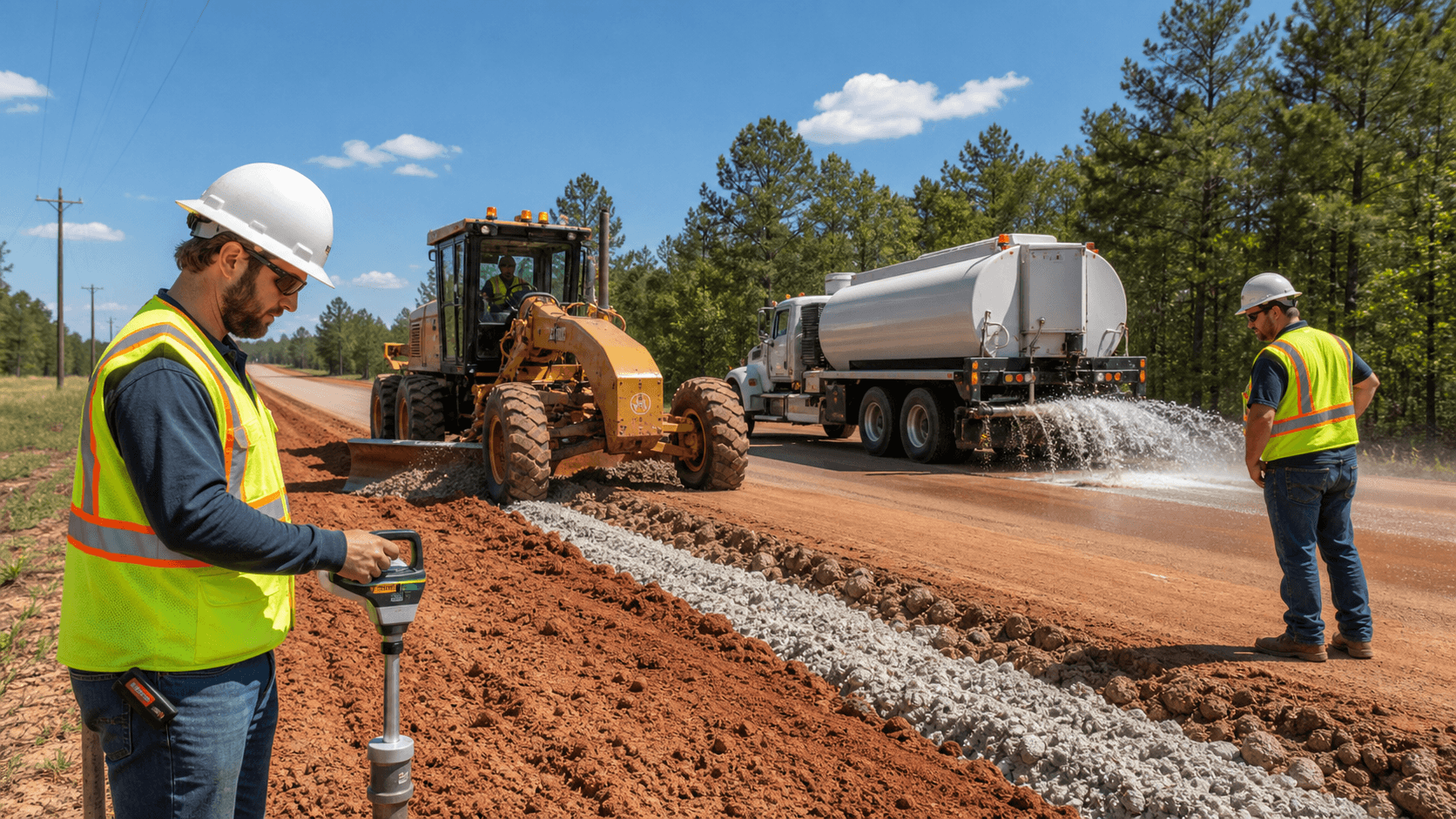
Ground stabilisation treats the problem where it starts: below the surface. Instead of working on the top few inches, we mix binding agents into the natural soil itself, combining them with materials like lime or cement to create a stronger, more stable base.
By doing that, we are not just smoothing the road, we are reinforcing it. When those agents interact with clay-based soils, they reduce moisture buildup, tighten the structure of the ground, and help it resist the slip and sink cycles that normally follow summer rains.
This kind of prep work before the next storm season hits can make a big difference. Clay that has been stabilised holds together better. There is less dust in the dry months, fewer potholes after thunderstorms, and much less sinking at the shoulders. A road that has been strengthened underneath will not break the same way every time it rains, which means you do not have to keep restarting the repair process again and again.
Terra-Firma Stabilization & Reclamation uses a variety of soil improvement methods, including the use of lime, cement, and fly ash blends, chosen for their effectiveness in strengthening clay subgrades and increasing long-term durability for unpaved and paved roads in Alabama. Our specialized stabilization equipment ensures that the treatment is thoroughly mixed and properly compacted to meet regional standards for rural infrastructure. This process not only improves road strength, but it also helps conserve resources by making use of what is already found on-site.
When to Call Ground Stabilisation Contractors in Alabama
Some road problems look small at first. But when the same issues keep coming back, or get worse after midsummer rains, it usually means surface fixes are no longer doing the job. There are a few telltale signs we have learned to look for that show the problem runs deeper:
- Soft spots that still feel spongy days after storms
- Water pooling along the same sections with no clear drainage
- Shoulders that sink or shift outward even after grading
- Ruts that return too fast or grow each time they are repaired
Late summer is one of the better times in Alabama to get ahead of those issues. The ground is usually warm enough to stay dry between storms, which gives stabilised areas time to set correctly before fall weather brings more moisture. That short window between early August and mid-September is often when we see improved results from deeper work.
Experienced ground stabilisation contractors can take a close look at the entire stretch. We check for drainage problems, see how traffic is affecting the soil, and decide whether a shallow fix will last or if the base needs support. Getting that timing right is the key to keeping roads open, especially in rural spots that carry both trucks and equipment. If work is delayed too long, the arrival of frequent rains in autumn can make repairs more difficult, and the problems can grow larger and costlier. Staying ahead of weather trends makes the stabilization work more effective and helps avoid rushed repairs in worse conditions.
How Stabilised Clay Roads Hold Up Through Alabama's Rainy Season
Once that weaker layer beneath the road is dealt with, everything on top holds its shape longer. Stabilised roads in Alabama do not just resist wear better, they stay passable even during long, wet stretches of the year. A stronger base does not wash out as easily during sudden downpours in August and early fall, which means less emergency maintenance and fewer days lost at job sites or on the farm.
There is a simple difference we have seen between roads that get repaired over and over, and ones that have had the ground stabilised underneath:
- Treated roads show fewer ruts after rainstorms
- Edges stay firmer under pressure from large equipment
- Water moves off the surface faster, with fewer puddles left behind
- Maintenance crews are not back every few weeks rebuilding the same sections
Instead of reacting to damage after each storm, we focus on holding the structure in place from the start. When the base is set right, it stands up against washing out and rutting for much longer than a surface fix ever could. It also makes routine upkeep simpler, since less mud and water are left to deal with after every rainfall. That makes a big difference by late September, when Alabama's rain frequency can spike and less-prepared roads get soft again. For both public roads and private drives, the effects of stabilization are clear, not only does the surface last longer, but the road itself becomes safer and easier for all vehicles to use.
Long-Lasting Roads Start from the Ground Up
Quick repairs might get wheels turning again for a few days, but they will not fix soft ground. We have learned that early signs of damage, like ruts and sink spots, are the ground's way of showing it is done holding up traffic on its own.
Stabilising that clay before fall rain becomes steady gives the road its best shot at lasting through the rest of the year. When the project starts with the right soil work, the result is a more even surface, fewer surprises in the wet season, and a clearer path that keeps everything moving. That is how we build a road that holds strong beyond the next downpour.
When recurring soft spots and washouts keep undermining your roadwork, it makes sense to address what is happening beneath the surface. At Terra-Firma Stabilization & Reclamation, we deliver lasting results by reinforcing the soil foundation, not just patching the top layer. As trusted ground stabilisation contractors, we help roads across Alabama stand up to wet weather and heavy traffic. Alabama clay can be unpredictable, but starting with a solid base helps your roads stay reliable throughout every season. Reach out today to see how we can keep your roads stable no matter what the coming months bring.