Chattanooga winters can be hard on gravel lots. You start with a surface that looks fine, only to find soft spots, standing water, and broken-up areas once winter winds down. That is when it becomes clear the base under the gravel is not holding up like it should. Soil stabilisation services can help level things out, literally, before spring rain and traffic make those problems worse.
Late February is often the turning point. The ground is still soft in many places, and the back and forth between cold nights and warmer days does not help. If your gravel lot has started showing signs of breaking down, this is a good time to assess what is really going on underneath. Stabilising the soil beneath the surface can offer a lasting solution, not just a temporary patch.
Common Problems in Gravel Lots After Winter
Winter weather takes a quiet toll on gravel surfaces. At first glance, things might look a little messy but fine. Then the freeze thaw cycle starts causing ruts, dips, and shifting gravel. When water freezes, it expands and loosens the soil beneath the surface. When it thaws, that space collapses, and the surface starts to sink or buckle.
Snow or heavy rain only makes the problem worse. Water tends to pool in the lowest spots, and gravel can start to shift away from where it is needed most. If drainage is not working well, those puddles grow wider and deeper. These wet areas keep the soil below soft and unstable longer than necessary.
Here is where many lots fall into a cycle:
- Add more gravel to level out the surface
- See the same areas sink or wear down again
- Repeat the fix without solving the core problem
When that cycle does not stop, it is time to look deeper. The real issue is often the soil, not the gravel.
What Soil Stabilisation Actually Does Below the Surface
Soft ground does not just fix itself. Under your gravel, there is a layer of soil that needs to support everything above it, cars, trucks, equipment, and people. If that layer stays too wet or loose, your lot will never stay solid for long.
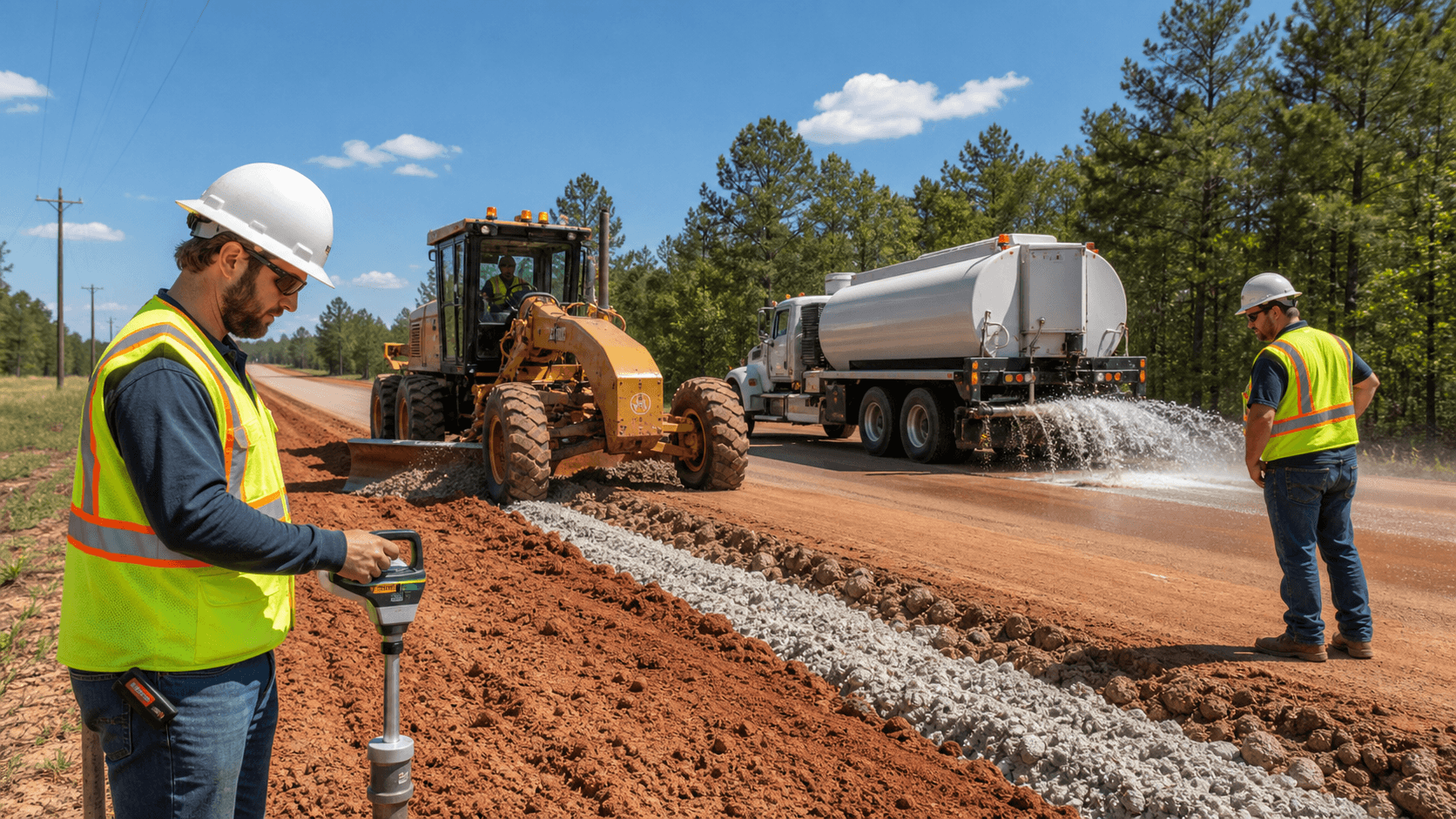
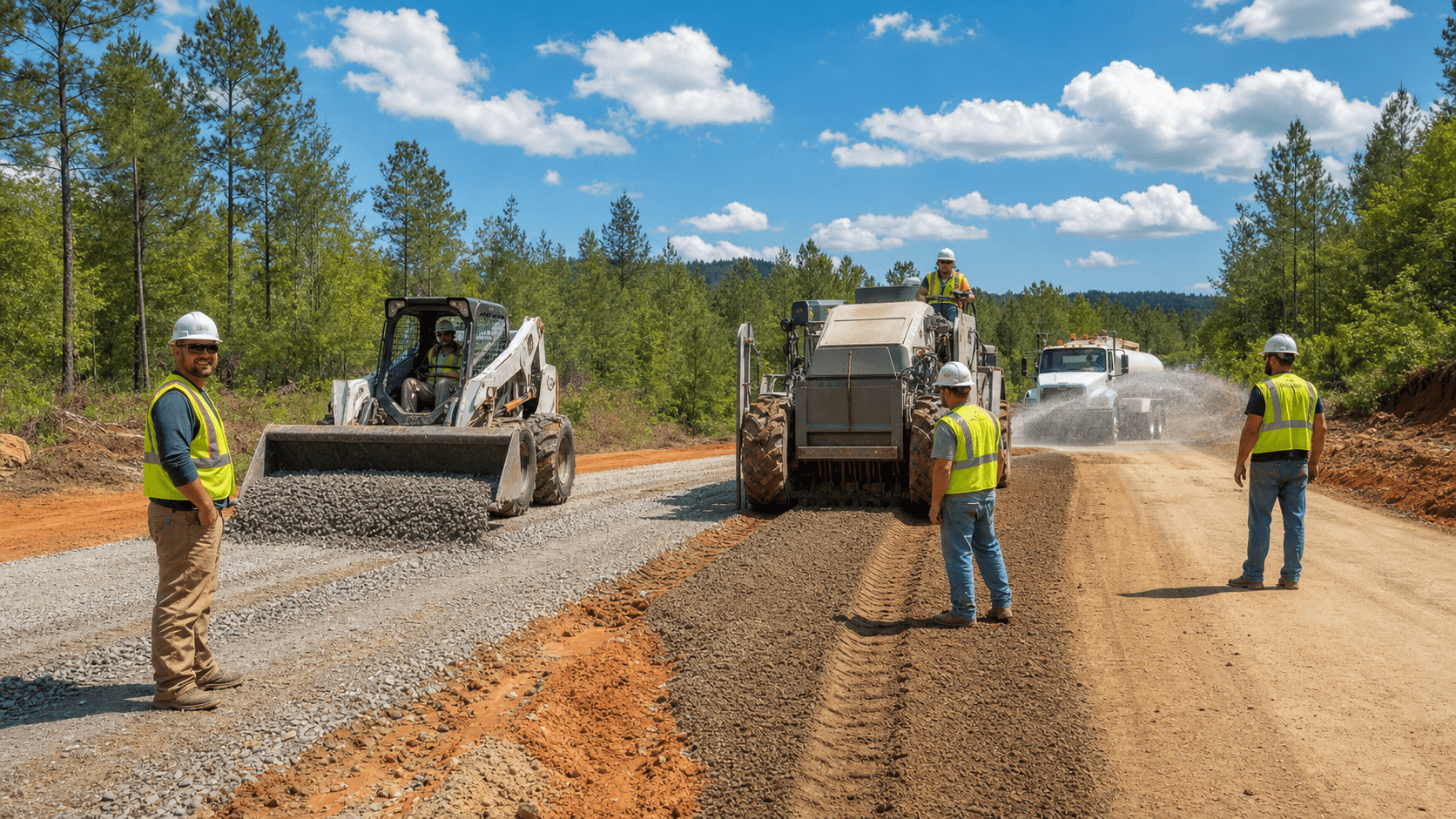
Soil stabilisation services use materials that bond soil particles together and help lock out excess moisture. Lime, cement, or other agents can be mixed directly into the ground to dry it out and increase its strength. These materials react with the soil and make it more solid.
Once we have treated the base layer, the surface changes in a few important ways:
- The ground supports heavier loads without shifting or creating ruts
- Water drains through or away more easily
- The soil layer stays stable through both wet and dry seasons
That extra strength beneath the gravel helps everything on top stay in place. Instead of having to fix the same weak spots again and again, you are building on something that can hold steady for the long term.
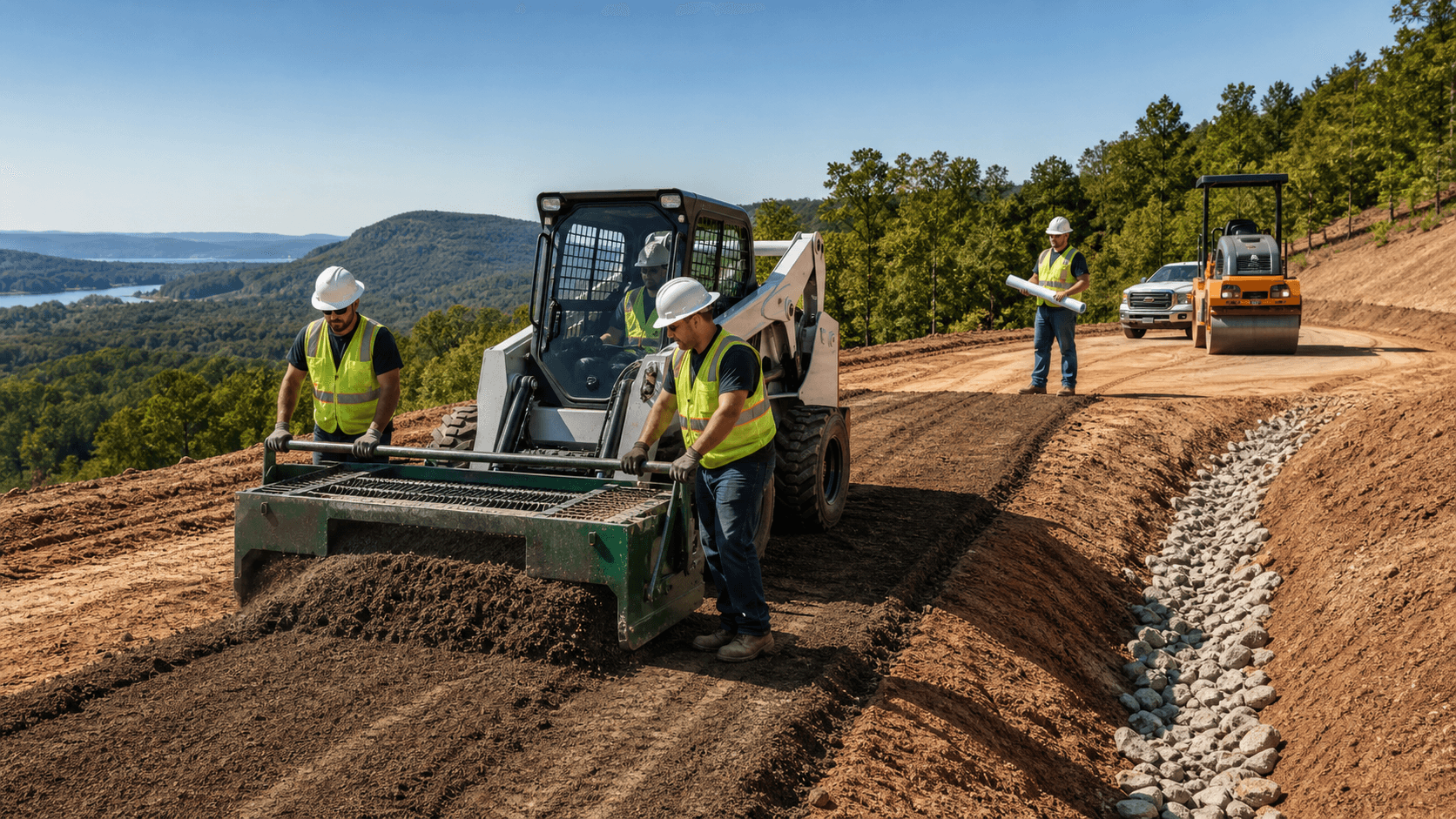
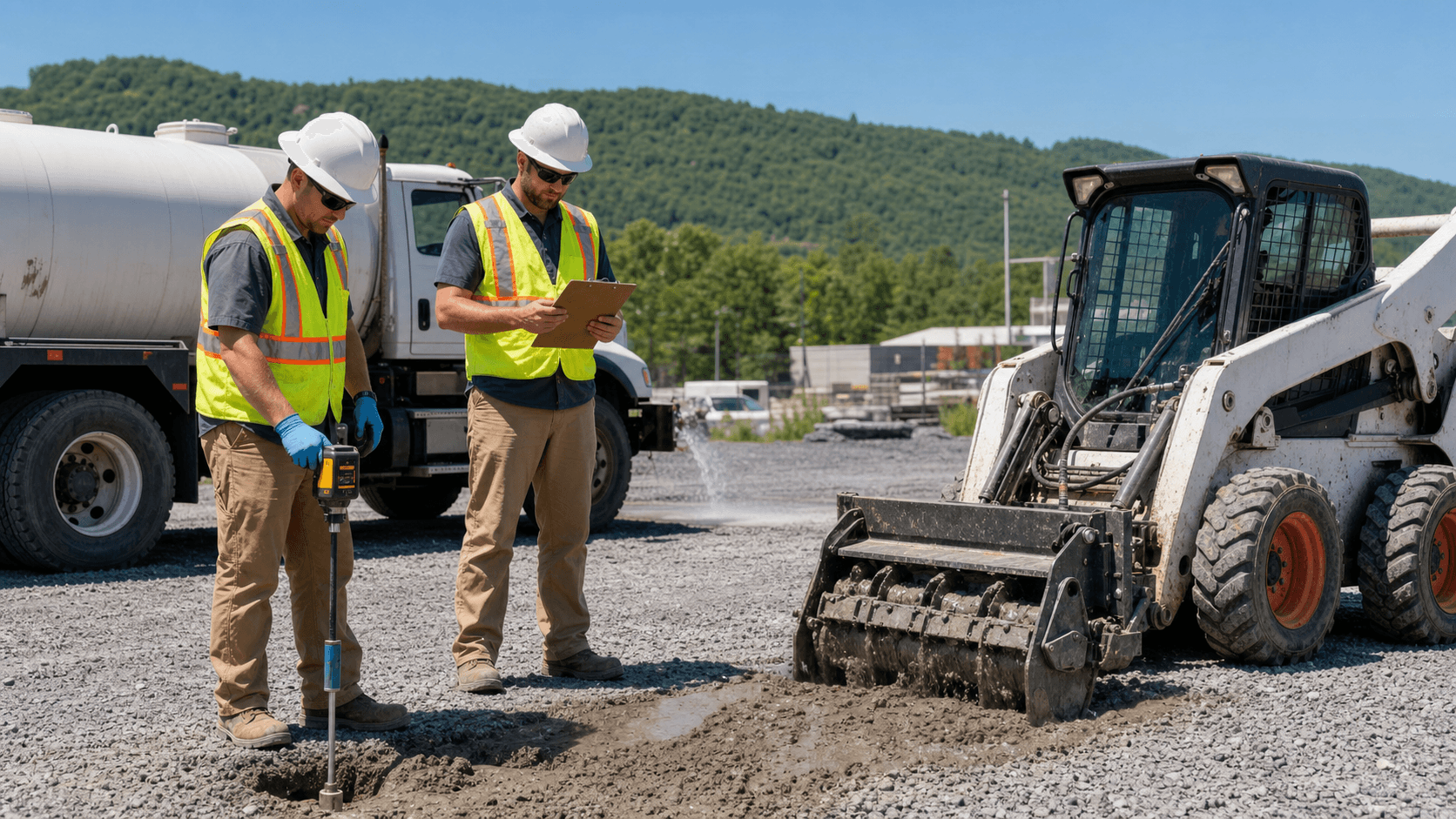
Terra-Firma Stabilization & Reclamation applies proven soil stabilization techniques, including lime and cement alteration, to reinforce subgrades beneath gravel lots in Chattanooga, TN. Our crews use modern equipment to guarantee the complete blending of stabilizing agents with existing soils, producing a solid foundation built to withstand heavy use and frequent rain.
Signs That Your Gravel Lot May Need Stabilisation
You do not always need to dig deep to spot the need for soil treatment under a gravel lot. Most of the time, the signs are on the surface, if you know what to look for.
- Ruts or soft areas that keep coming back, no matter how often you refill them
- Gravel that washes away at the edges or near slopes after a big rain
- Ground that feels spongy or shifts under vehicles, especially near high traffic zones
In Chattanooga, the late winter weather does not help. When snow melts or the ground stays wet for days, those soft areas get worse. It is common to see puddles that just do not disappear or to notice that some sections of the lot feel uneven underfoot before you even see visible damage.
If these patterns have repeated more than once or twice over the past season, the problem likely runs deeper than the top layer of gravel.
Preparing Your Chattanooga Site for Treatment
Good results start with planning. Soil stabilisation is not a one size fits all fix, so the first step is always inspection. We look at how water travels across the lot, any low spots or slopes, and the type of soil underneath. These checks tell us what kind of treatment works best for each area.
Before any work begins, we take care of the surface.
- Remove loose gravel and debris
- Level out uneven spots so the soil can be treated properly
- Make sure drainage paths do not block or trap water
Chattanooga's weather in late February often leaves short, clear days between rain systems. That is the window we watch for. Starting treatment during one of these clear stretches lets the ground dry just enough to handle the mix without being overly wet. If we wait too long, early spring rains could keep the soil saturated and delay work.
Getting ahead of those delays makes it easier for follow up work like gravel spreading or paving to stay on schedule.
Solid Ground Ahead: Why Stabilising Now Pays Later
Once the base holds up, everything built above it lasts longer. Whether the lot is used for parking, equipment staging, or daily use, a stable foundation stops small problems from becoming expensive ones.
- It reduces how often you need to regrade or add gravel
- It helps keep drainage working the way it should
- It creates a stronger lot surface that stands up to weather and traffic
Spring projects can move faster and smoother when the surface is ready to go. Chattanooga's early wet season can turn into a strain on scheduling, so having the lot stabilized in late February helps avoid scrambling when things ramp up in March.
If your lot has already shown signs of soft ground or repeat damage, stepping in now can set you up for a stronger, steadier spring. Treating the soil under the gravel gives you a real fix, not just a surface patch, and lets you focus on the work ahead, not the rework behind.
Having supported municipal, commercial, and industrial clients throughout Chattanooga, we understand how quickly gravel lots can deteriorate without the right base. Our soil stabilization services are designed for both repairs and new builds, helping local projects last longer and stay safer from the ground up.
When your Chattanooga, TN, gravel lot shows signs of wear after winter, addressing the soil underneath can make a real difference for long term durability. We carefully assess drainage, weather, and soil type so our treatment fits your site's unique needs. With the right approach, your lot stays strong through rain and frequent use. Get ahead of the season and start with proper soil stabilisation services. Contact Terra-Firma Stabilization & Reclamation to schedule an evaluation.