By the time late July rolls around in Chattanooga, most of us are sweating through hot, sticky afternoons and watching the sky for signs of summer storms. That heat helps dry out surface soils, but it does not last. Fall rains tend to sweep in with little warning, bringing short, intense downpours that put unfinished job sites under stress. This is why we start thinking ahead now.
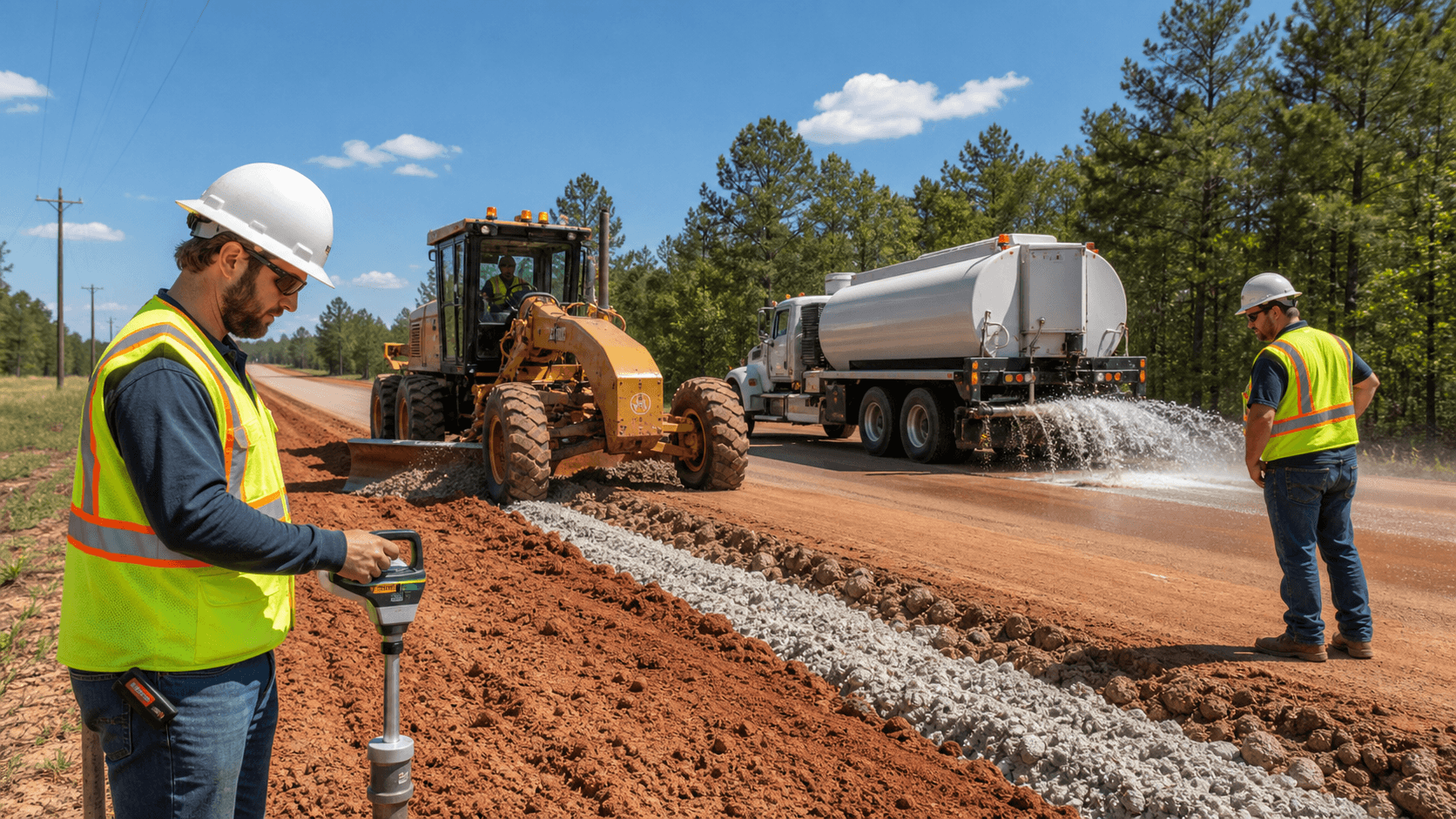
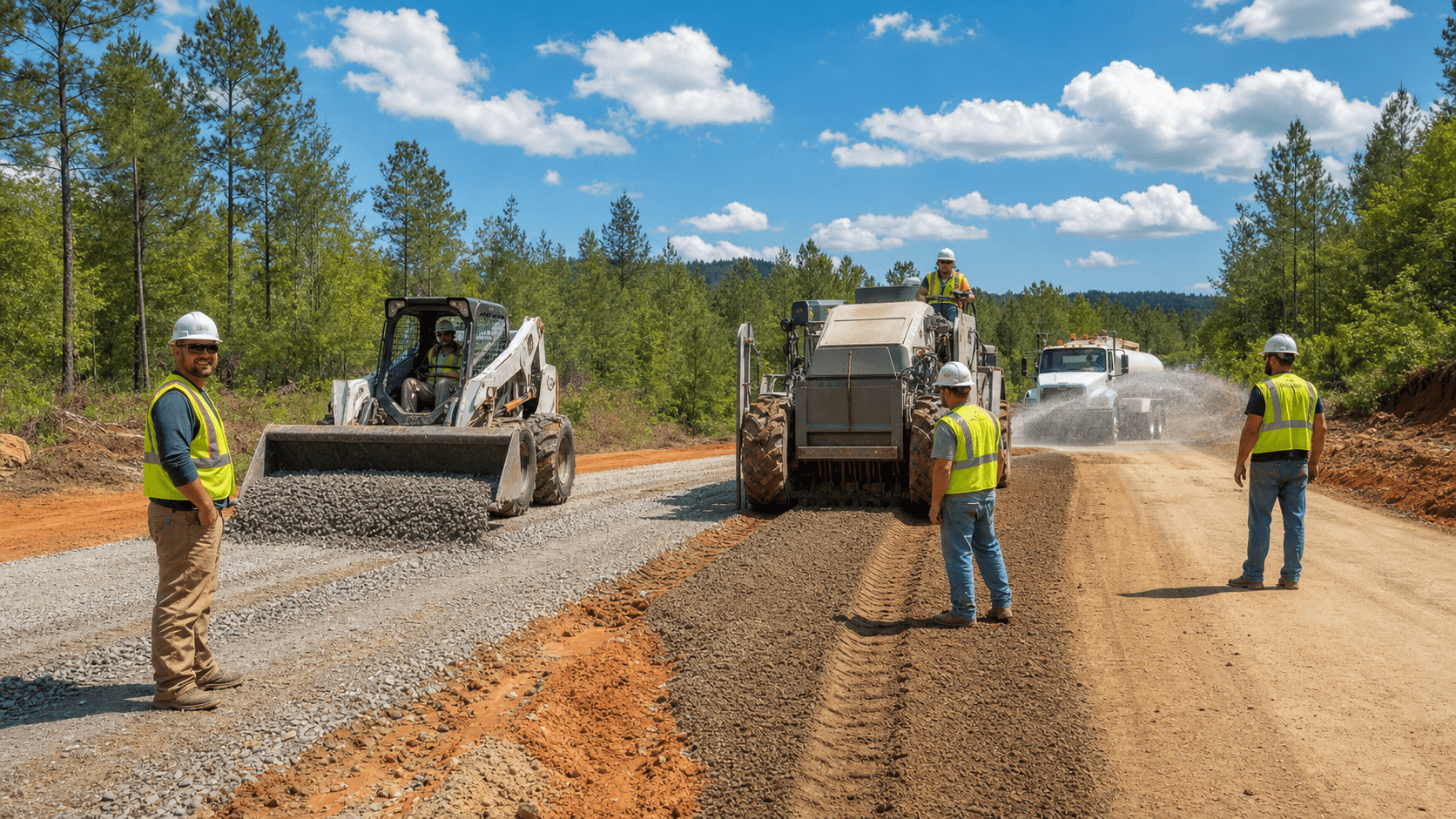
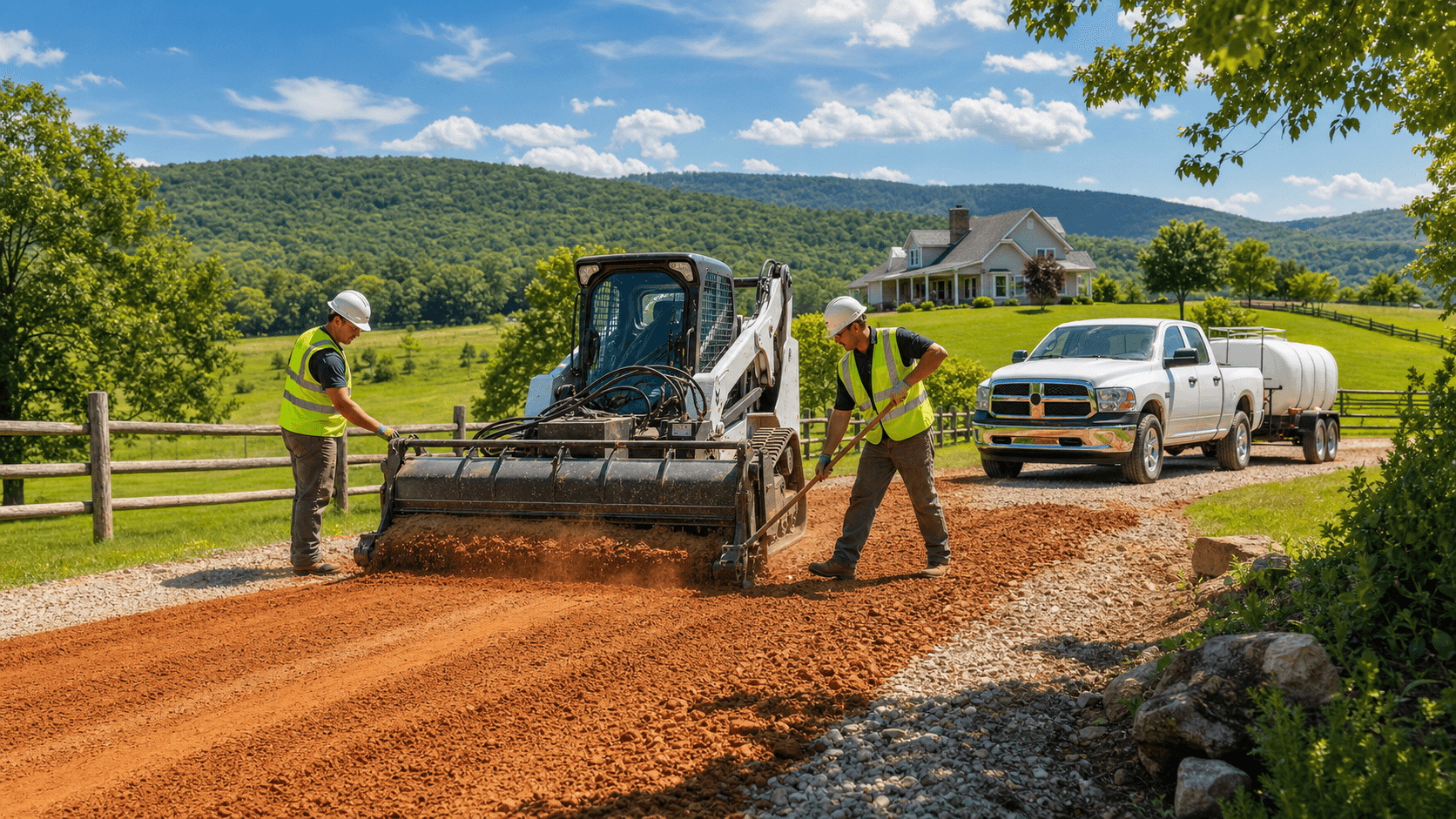
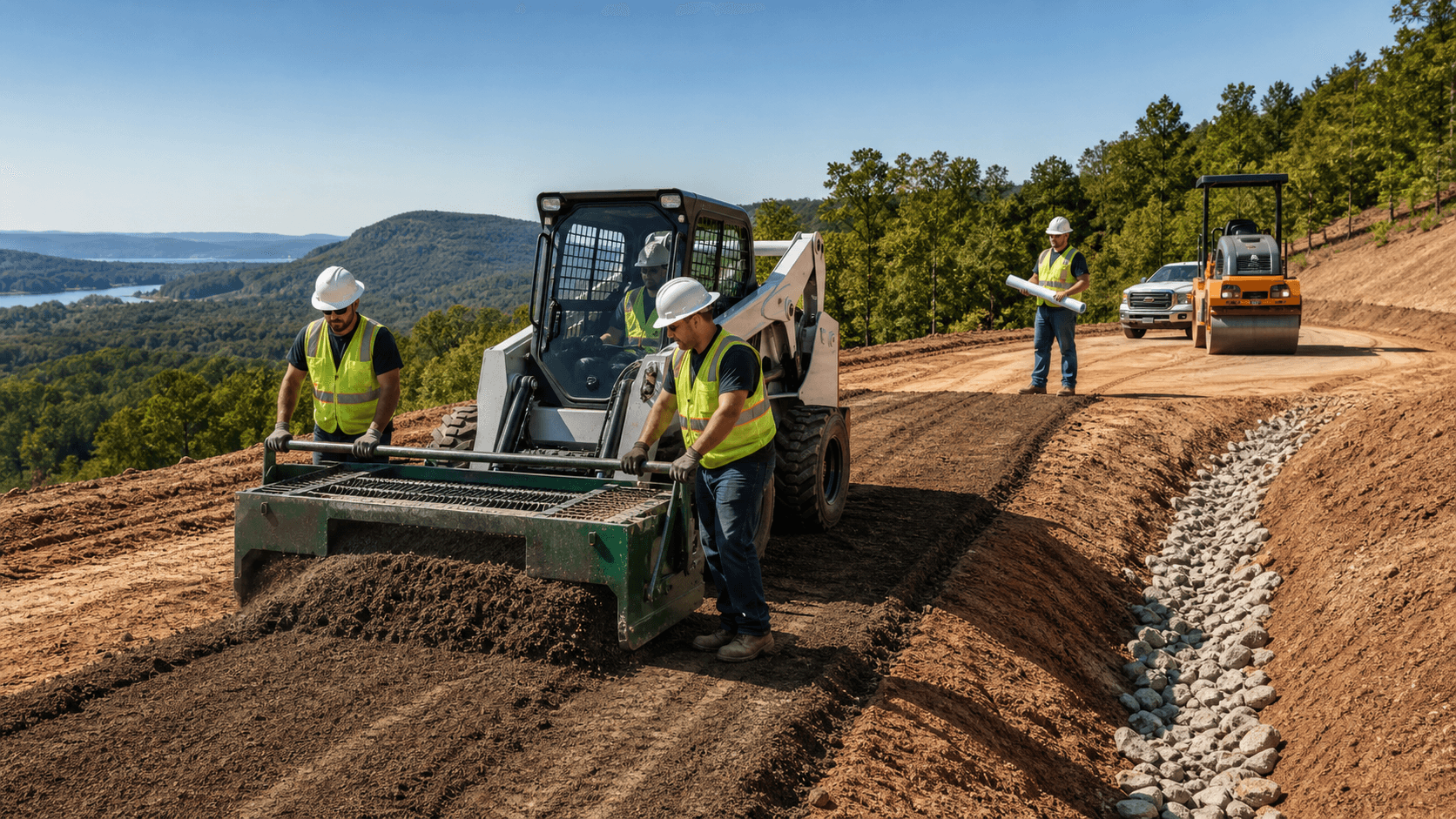
Soil stabilisation services give projects a sturdier foundation before that seasonal change hits. During summer, we have a chance to condition the ground while it is still dry and workable. Once September creeps in, that same job could slow down or suffer from washouts and delays. Planning these steps in late summer gives us the best shot at keeping sites safe and solid as the weather turns wet.
How Fall Rains Impact Unprepared Sites
Steady rain does not always hit hard. But when fall weather in Chattanooga gets going, we get full-on downpours that can drag soil across sloped pads and flood lower lots in minutes. If a site has not been treated or graded with drainage in mind, you start to feel the effects right away.
- Surface runoff eats away at loose soil, cutting ruts into entryways, storage zones, and future foundation sites
- Saturated ground loses strength and cannot hold shape under equipment weight or new construction
- Even shallow puddles soften base materials, leading to uneven settling that shows up weeks later
Soil that is not prepared ahead of time stays wetter longer after a storm. That pushes work back while sites dry out and adds time for rework or possible cleanup. Getting ahead of it with early prep lets the right treatments settle and bond before water becomes a factor.
Why Late Summer is the Right Time to Act
We get the best soil results when conditions are warm and steady. That is why summer, even with its heat, is ideal for ground treatment. The weather lets us work faster and more effectively.
- Hot days help bind stabilizing materials into dry soil, giving us a tighter, longer-lasting base
- Fewer delays from rain help projects stick to their original timelines
- Crews can test soil moisture, texture, and strength without unpredictable water levels interfering
When the ground is dry, we can see where work is needed and get it done before the first signs of fall. Soft spots, weak fill, or loose clay stands out clearly. Waiting too long means watching conditions shift overnight. Once that happens, it takes more time and effort just to bring the soil back to workable shape.
Terra-Firma Stabilization & Reclamation relies on field-tested lime, cement, and chemical stabilizers to build resilience in Chattanooga soils. Our team sets up early summer projects using custom material blends and application rates based on site-specific soil analysis and drainage needs, helping to avoid downtime and rework as the rainy season arrives.
What Chattanooga Soils Need Before the Weather Shifts
Not all soils behave the same when storms hit. Around Chattanooga, we often run into red clay that holds form well in dry conditions but turns slippery fast when soaked. We also come across mixed fill or older developed lots with strange layers of past materials just below the surface.
- Heavy clay expands with water, causing spots to lift or shift
- Low-lying areas trap runoff and stay wet days after rain ends
- Legacy sites that were not stabilized properly may sink unevenly or break under added weight
These kinds of challenges do not resolve themselves with time. If anything, they get harder to manage once the moisture sets in. That is why we test and treat now, before conditions change. It gives us a clean slate to stabilize and shape the base for everything that is coming next.
How Soil Conditions Affect Everything Built on Top
Soil is like the first layer everything else rests on. If it fails, whatever is built above it will show signs too. That makes it one of the most important steps we focus on before construction gets deep into progress.
- A soft or shifting base spreads weight unevenly, which can crack slabs or pavement as pressure builds
- Water buildup under the surface changes how equipment tracks or sits while parked
- Once construction begins, weak soil cannot support lifts, storage, traffic, or even temporary forms
Fall weather just adds stress, testing the base long before the work above is finished. Strong early prep lets us support both light and heavy loads so they stay stable. The better the soil holds, the less we have to deal with breakdowns, warping, or unexpected shifts after a storm.
The Payoff of Getting Ahead of the Rain
This type of soil work does not just protect buildings or roads. It keeps an entire site easier to manage through the season. Fall brings steady water flow and colder temperatures that do not help our drying times, so doing the prep in summer is a smart way to avoid bigger problems later.
- Treated soil resists water absorption better and stays compact longer
- Fixes done early are easier to reach and quicker to correct than post-storm repairs
- Foundation work, grading, and follow-up steps all go faster when the base is stable
We see it all the time, projects that skip early prep get held up when weather turns. Even a few hours of standing water on untreated soil can undo a week's worth of progress. By getting conditions right while they are still dry, we avoid that headache.
Strong Ground Before Wet Weather
Working ahead of Chattanooga's fall rain window gives us a safer, smoother start to the next phase of any project. When we treat soil in the summer, we lock in support that will not wash away, even when the weather does its worst. That keeps site work moving forward and reduces the number of surprises we have to fix after the fact.
Soil behavior will not wait for convenience. If ground prep is not handled early, it often ends up costing more time later. But with a little planning now, we can get projects started on solid, dry ground, and keep them that way, rain or shine.
Planning site work in or around Chattanooga, TN? Staying ahead of seasonal changes keeps your project on track, and early soil treatment can give you peace of mind when the weather shifts unexpectedly. We know from experience that strong groundwork helps your site stand up to fall storms. See how our team prepares local sites with confidence with our soil stabilisation services. Reach out to Terra-Firma Stabilization & Reclamation to discuss your next steps.