Fall construction in Huntsville isn't always straightforward. Once summer wraps up, we start to see more rain, cooler mornings, and softer soil. These shifts make it harder to keep projects moving, especially when the ground doesn't hold its shape. A weak base can stall progress before foundations are poured or roads are paved.
That's why strong prep work and working with soil stabilization companies is such a big part of setting builds up for success. When we start fall projects on dry, treated ground, we're not just cutting delays. We're giving the whole site a better shot at holding up through rain, equipment traffic, and winter weather that's never far behind. Good soil prep lays the groundwork for the entire project, making each step afterwards more reliable.
Why Early Soil Prep Matters for Fall Projects
Planning matters more in fall because we have to deal with shorter windows and mounting moisture. The condition of the soil sets the tone for what can get built, how long it takes, and how well it turns out in the end. When we approach each build with soil prep as the first focus, we're setting ourselves up to keep the project moving smoothly.
- Soils in this region often shift under pressure, especially after heavy rain
- When soil is left untreated, compaction becomes more difficult and unstable
- Stabilized base layers protect the schedule by resisting rutting and sink-ins
Any delays in the early ground prep stage ripple through later phases. When soil gives out under weight or shifts as it dries, we lose the progress we've made. That's why strong, compact, and stabilized ground is our best insurance against future setbacks on fall builds. By focusing attention on this stage, we help every other trade and part of the process succeed.
Common Soil Issues in Huntsville Before Winter
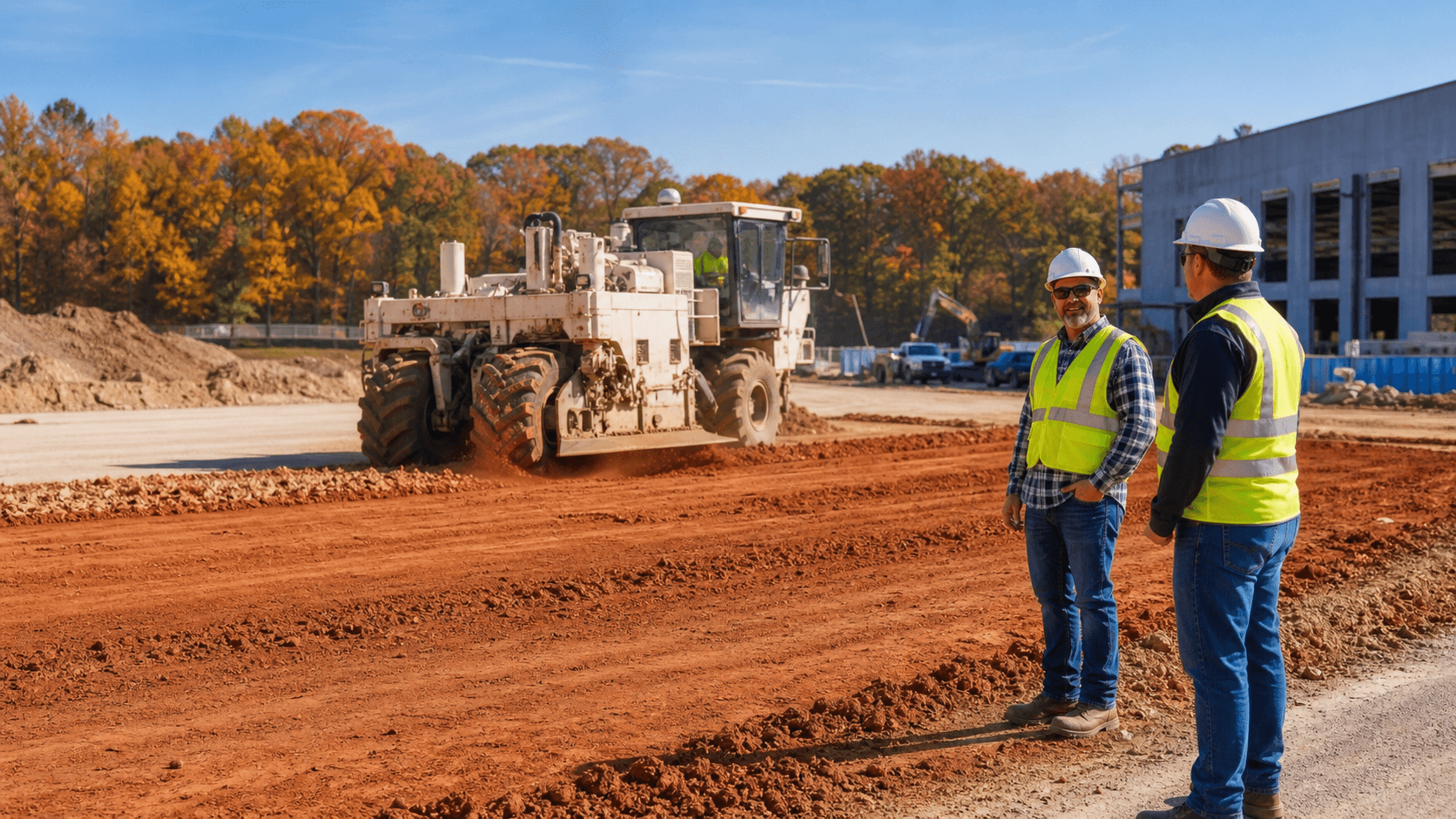
We know Northern Alabama's geography well. Huntsville may grow fast, but underneath, the land has its own habits. Clay-heavy soils hold water longer than we'd like. When the weather turns wet, that clay turns soft and can't be trusted under load. For construction projects, this can mean frustrating downtime or costly work to fix sudden soft spots.
- High-clay soils lose their strength quickly once saturated
- Summer grading can create what looks like a clean surface, but hidden problems often return once it rains again
- Old fill material can settle unevenly and lead to soft spots right under active work zones
We usually notice trouble in the same areas, places where older materials were never treated or freshly graded fills didn't have time to settle. If these aren't addressed, we see equipment start to bog down, and that's where things really get delayed. Spotting these patterns early means better timing for fixes and less wasted effort once the rain starts falling. Regular checks and knowledge of local soil types make a big difference during the fall rush.
How Soil Stabilization Supports Better Fall Builds
By treating the ground before more moisture arrives, we give work zones the strength they need when conditions start changing quickly. The goal is not just to build, but to build on something that supports heavy workloads even when the skies are unpredictable. This preparation makes it possible for scheduling to stay steady, and for crews to keep making progress rather than dealing with delays.
- Stabilized soil doesn't shift as easily after rainfall or temperature swings
- Test failures, sinking, or collapses in high-traffic areas happen less often
- Treated areas handle equipment movement better, keeping jobs running smoothly
Stabilization creates a more consistent work surface and cuts down on last-minute corrections that can cost time we don't have in fall. It also allows us to continue working after rain passes, instead of waiting days for dry ground. By having this level of reliability in the subgrade, we're less likely to experience setbacks that push projects behind schedule.
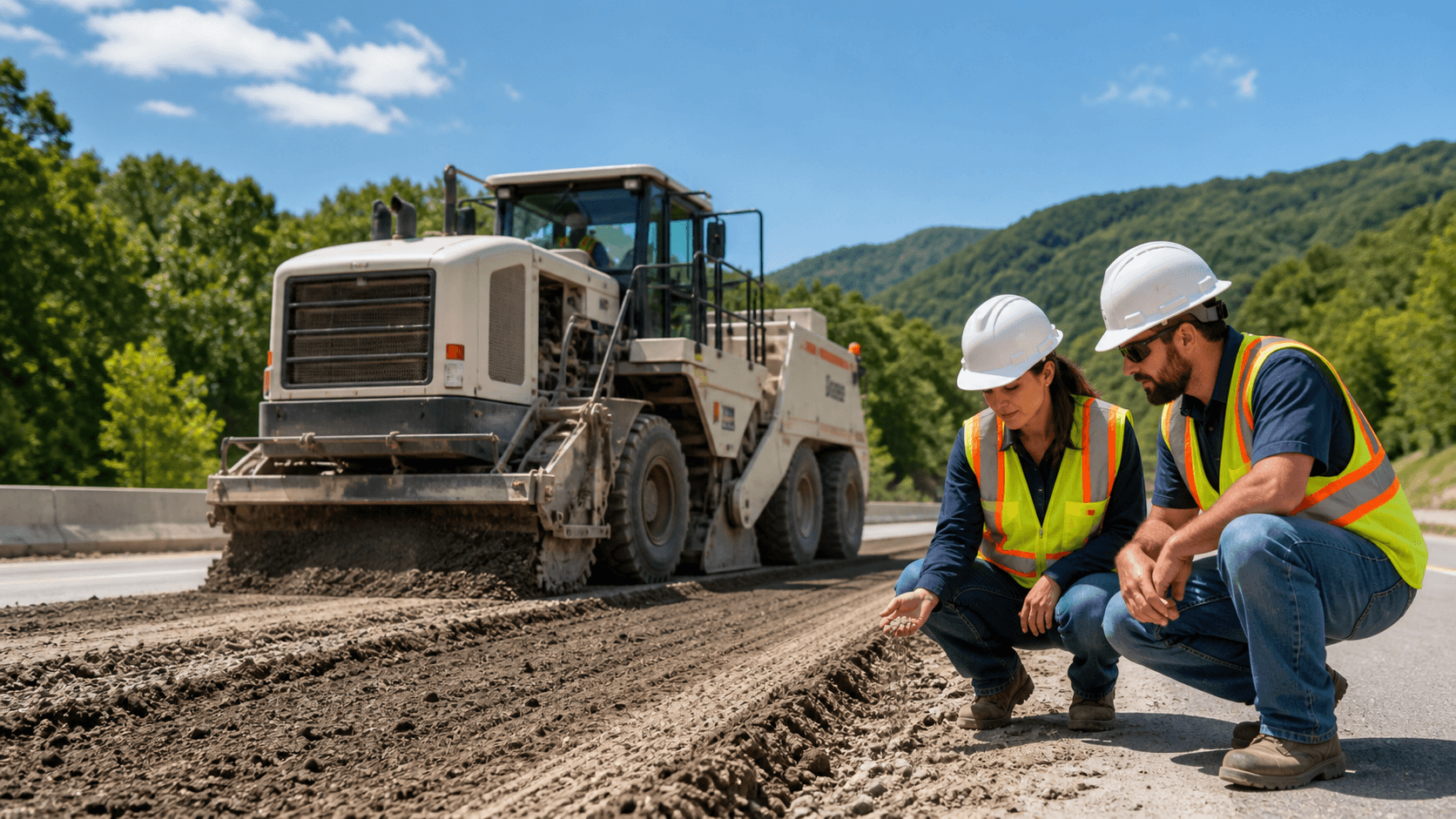
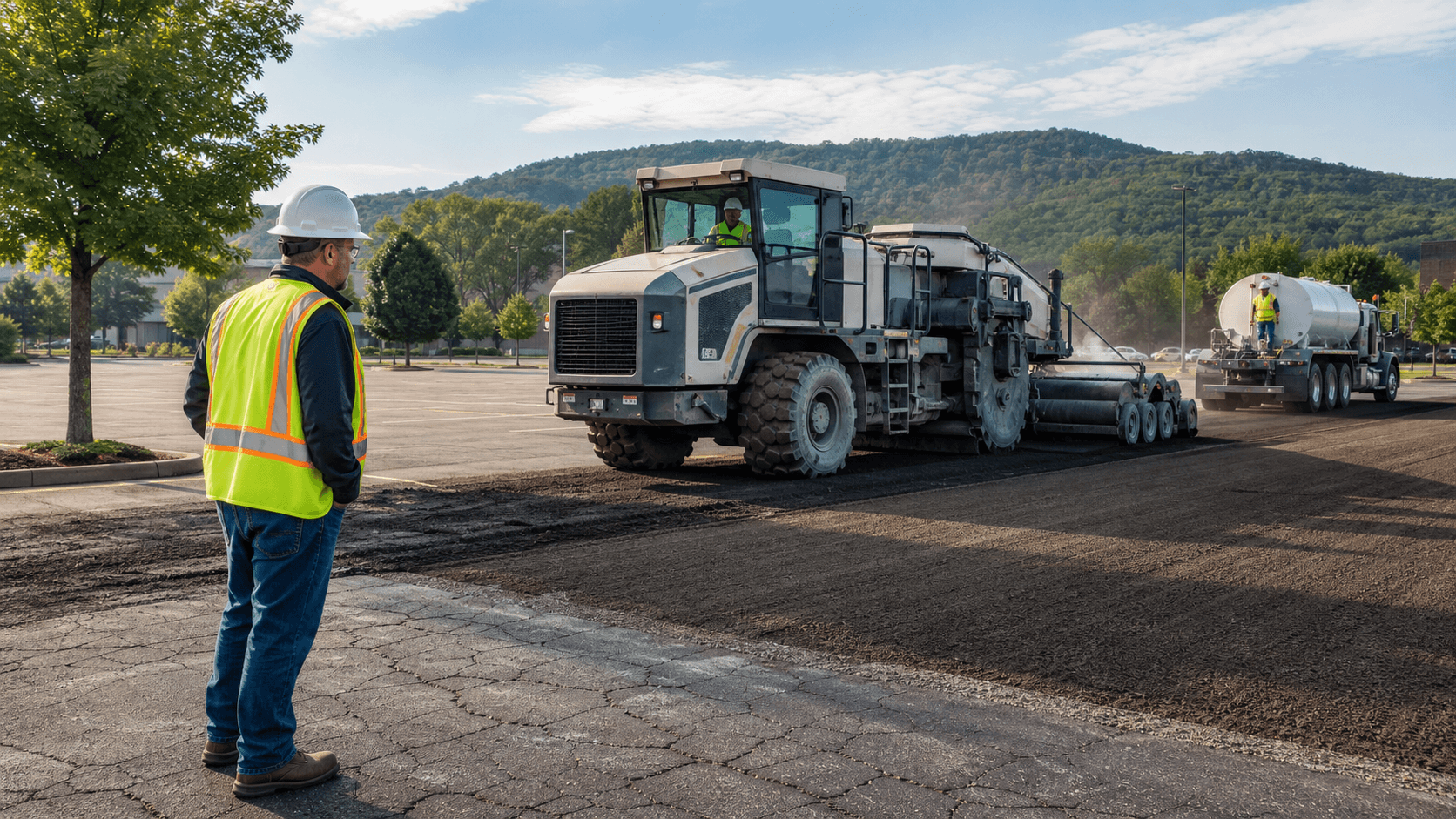
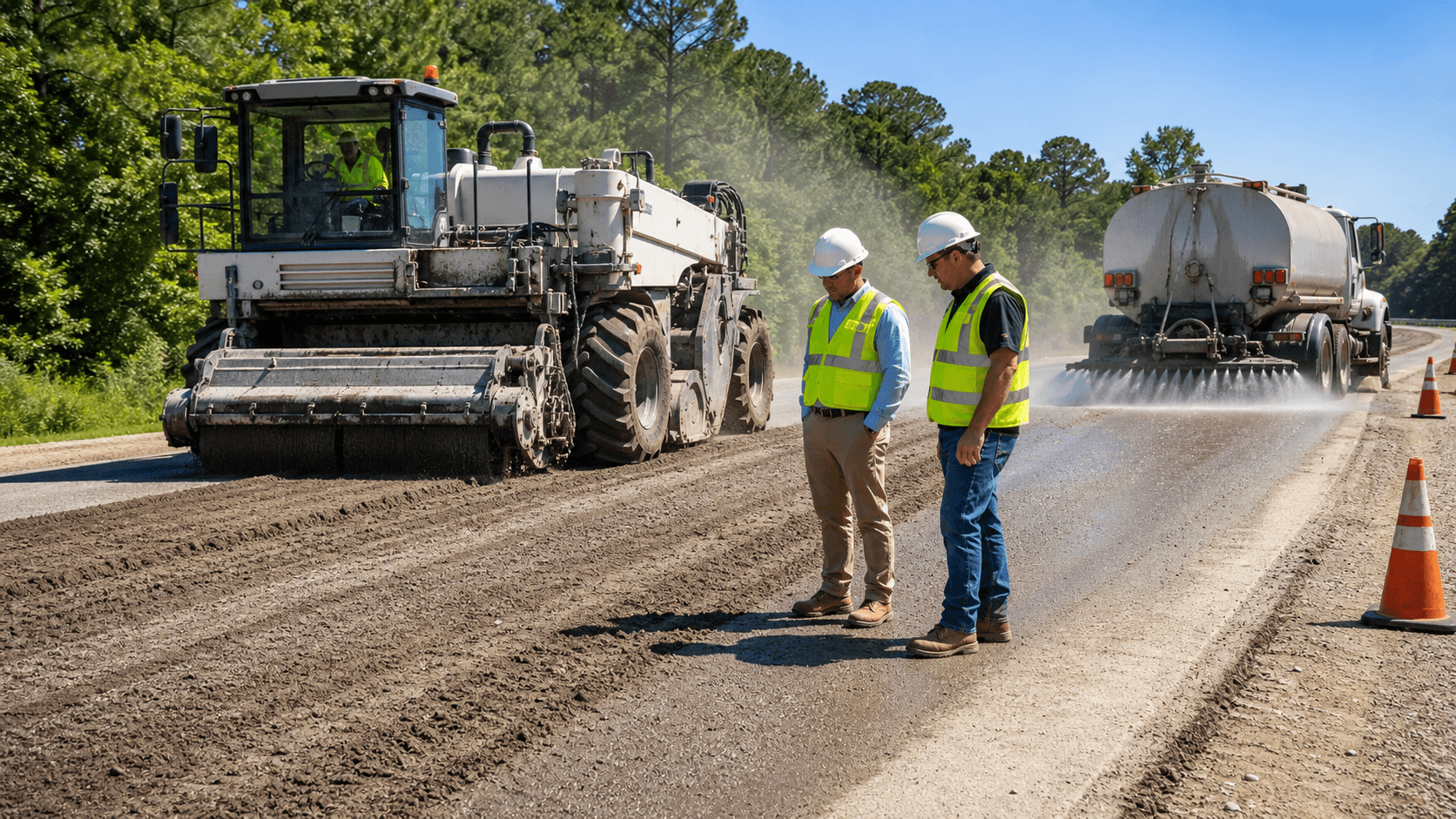
Terra-Firma Stabilization & Reclamation uses time-tested stabilization products like lime, fly ash, and cement to boost the holding power of Huntsville's subgrades. Each job begins with a thorough soil analysis and material recommendation, ensuring a solution that improves both moisture control and compaction before wet fall weather arrives. We choose approaches meant to fit each site's unique needs, making sure everything underfoot is ready for seasonal changes.
Working with experts in soil stabilization means we bring experience and proven methods to every project, so there are no guessing games when problems show up. Many issues can be avoided with careful testing and timely application of stabilizers, giving the project a better chance of staying both safe and on schedule.
What to Look for Before Winter Prep Begins
We know the signs that tell us when soil won't hold up much longer. When the first steady rains of fall hit, it's already too late to fix much without slowing everything down. Instead, we make sure to address problem sections while the weather is stable and crews are already on-site. This approach allows for better control over the schedule and fewer last-minute surprises.
- Look for soft or sagging spots in access roads and loading zones
- Notice any standing water that doesn't drain or low points that fill up fast
- Pay close attention to areas near transitions, these often hold hidden stress
Fall in Huntsville can turn quickly. One week it's dry enough to build, the next we're dealing with surprise rain that pushes everything back. When we can identify and treat soil issues before that shift, we stay ahead of the curve and minimize surprises. Our teams have learned that even small issues flagged early can prevent much bigger disruptions as colder weather arrives.
Setting aside time for site walks and surface checks gives every project manager more time to plan resources, shift schedules when necessary, and keep materials moving. Watching for these common warning signs in advance means the team is rarely caught off guard by a sudden storm or a developing soft spot.
Building Fall Strength from the Ground Up
We've worked long enough in Huntsville to know that fall schedules don't leave much room for second chances. Bad weather doesn't wait around, and weakened ground doesn't hold up under pressure. That's why we give soil support the same attention we give structural work.
By working with soil stabilization companies at the right time, we keep jobs on track and avoid rebuilding the base twice. It's easier, faster, and smarter to treat soil now while the weather still gives us a clear window. It's much less stressful for everyone involved if the site is solid from the beginning, rather than having to bring in solutions after a rain has already caused problems.
Starting with stable ground means the rest of the project is more likely to stay on plan, no matter what winter decides to bring next. A strong surface below gives everything above a better shot at holding together into next spring and beyond. This kind of smart groundwork is what sets successful fall builds apart in Huntsville. Every structure and surface starts with soil, making it steady first is the smartest way to avoid delays and frustration as the weather changes.
Planning a fall project in Huntsville, AL? Now is the ideal time to reinforce your ground before the weather shifts. We've seen how early preparation can make a significant difference when soft soil and cold rain threaten to slow progress. As one of the most experienced soil stabilization companies in the region, we know what local ground needs to stay steady through the season. Let Terra-Firma Stabilization & Reclamation help you get ahead of the weather and avoid costly delays. Contact us today to discuss your site and timeline.