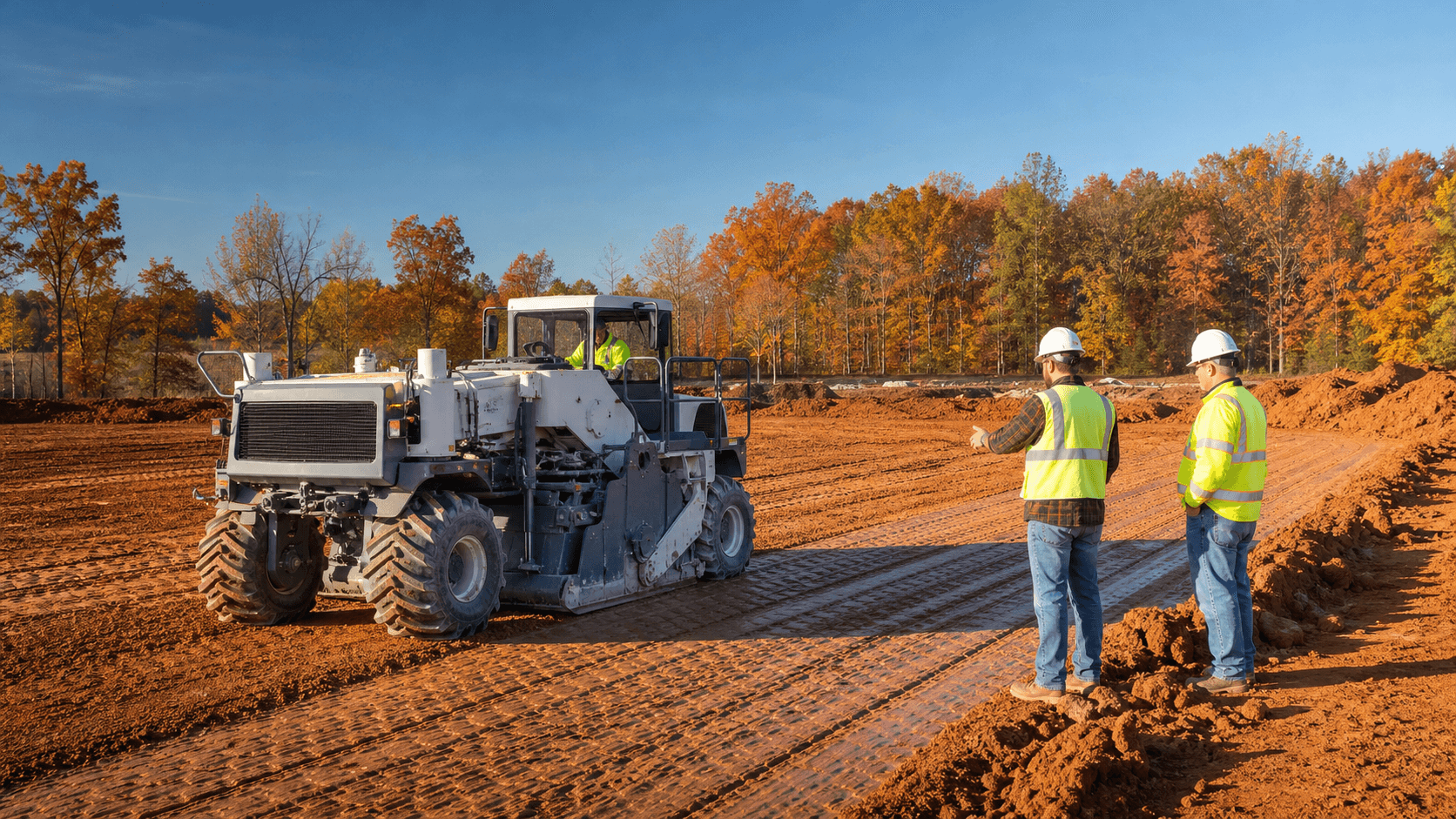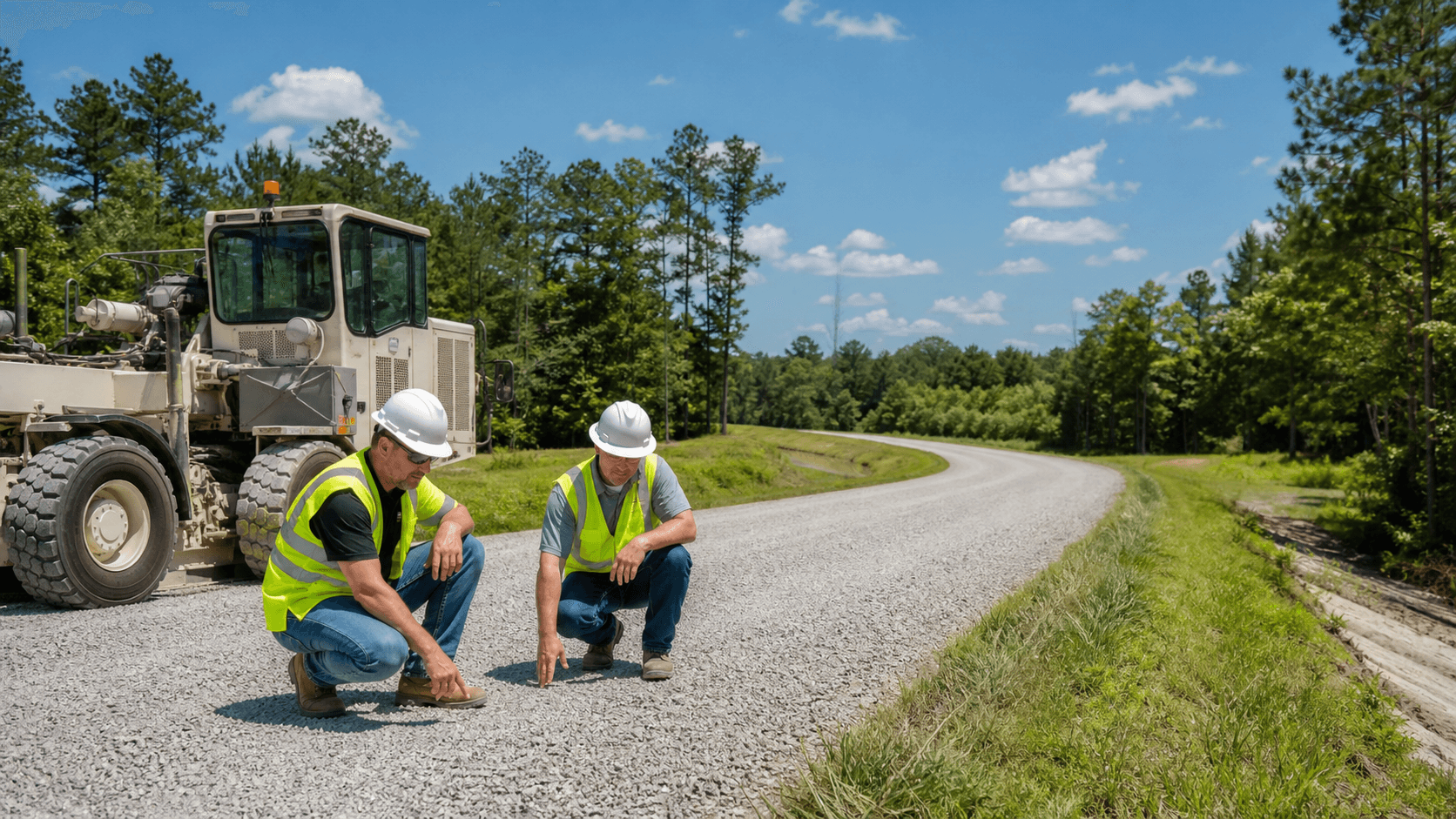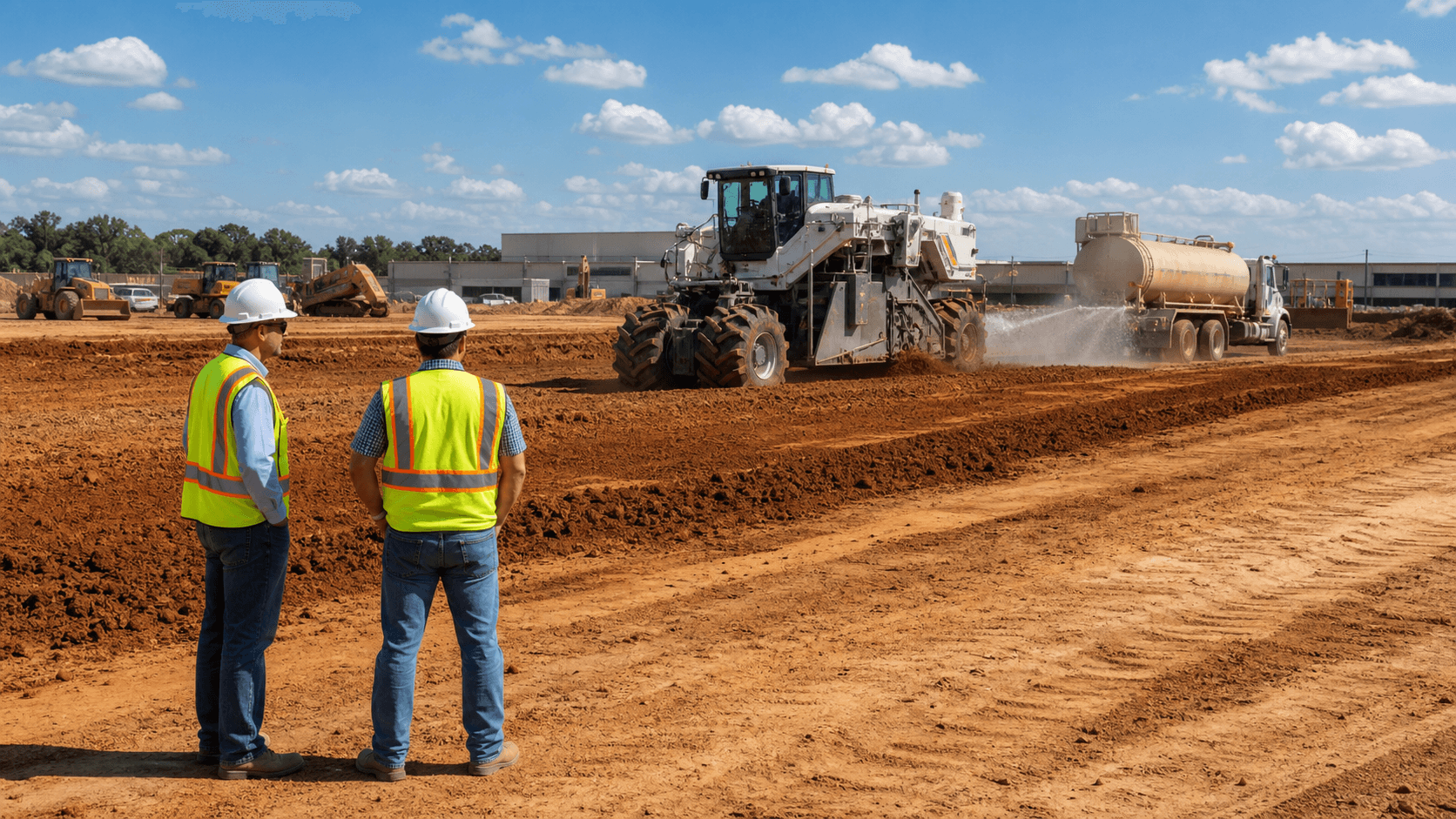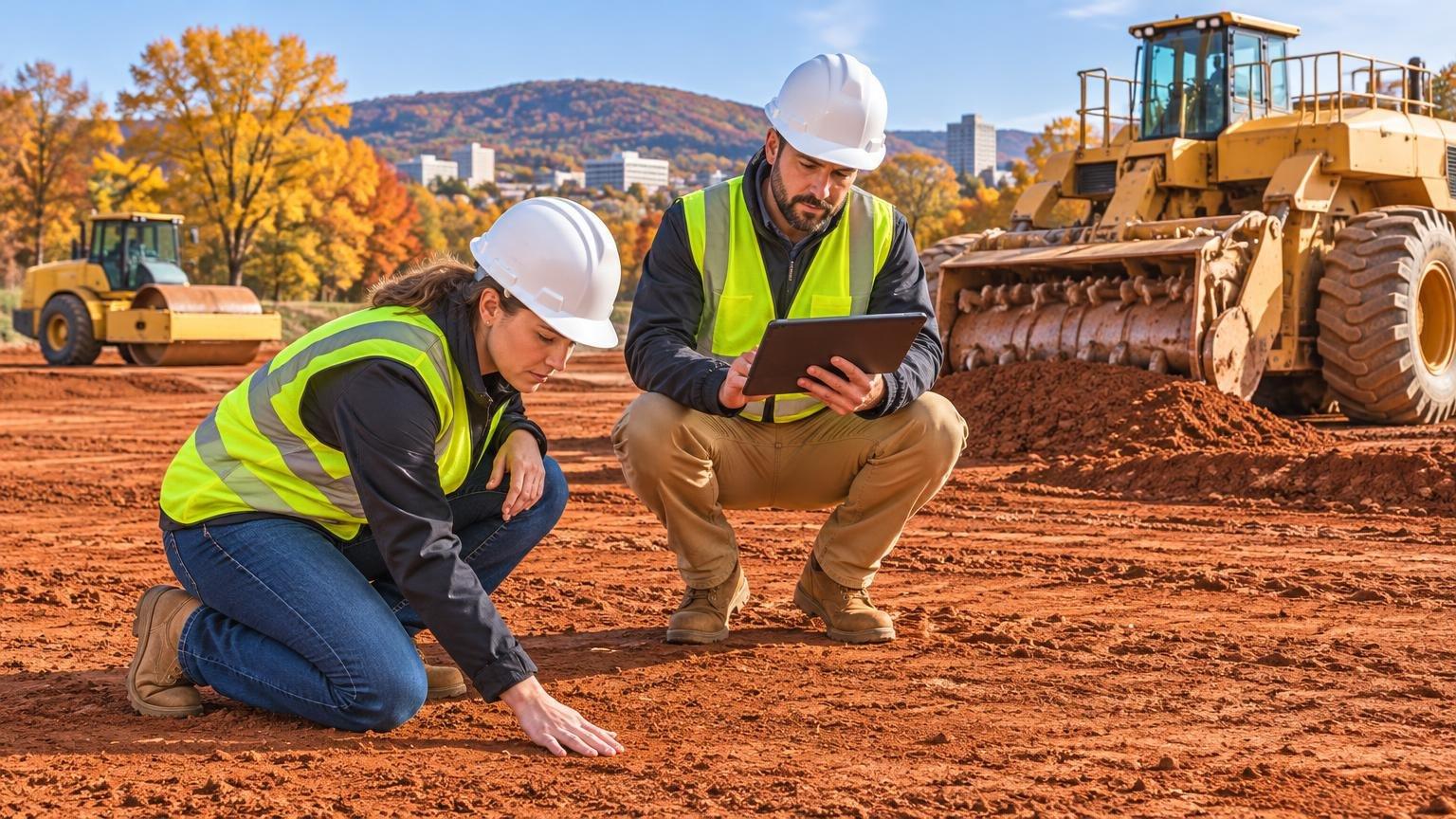
Late fall in Huntsville brings cooler air, steady rain, and the kind of ground conditions that do not mix well with active job sites. With early frost and soggy soil creeping in by November, construction projects start to feel the pressure. That is when delays show up fast, often because the ground was not properly prepped before the freeze cycle kicked off. This is where planning ahead makes a difference. A soil stabilization company steps in early, long before the cold settles, checking conditions and building a base that holds steady through winter.
By doing these checks now, we help prevent slowdowns later. The goal is to get the ground right before it hardens up or gets too wet to work with. Once temperatures drop, it is harder to get key materials to bond properly, and surface work becomes more unpredictable. Taking extra time to check the soil, drainage, and treatment timing in November helps set clearer paths for equipment and stronger foundations from the start.
Early Soil Testing and Moisture Checks
As soon as the weather shifts, one of the first steps we take is soil testing. That tells us exactly what we are dealing with, what kind of soil we are building on, and how much water it is holding. This process is especially helpful in Huntsville, where we often come across clay-heavy ground or soft fill from earlier work. Both of those need special attention before we can move forward with any kind of stabilization treatment.
- Clay soils can hold water longer and break apart more easily if not treated right
- Soft or loose fill may need more material or curing time to hold shape
- Water pockets or uneven drainage paths can weaken a build from underneath
When we catch these issues early, we have more control. We can change material amounts, adjust slopes, or shape the site better for runoff. If we miss them and frost moves in, any extra water under the surface might freeze and expand, which adds pressure and makes the ground unstable.
Terra-Firma Stabilization & Reclamation uses moisture-density testing, Proctor analysis, and expert soil classification to determine the best approach for Huntsville winter site prep. Our early-site assessments and material adjustments help prevent freeze-thaw complications and reduce costly mid-winter delays.
Additive Planning for Cold-Weather Bonding
What we put into the ground matters just as much as what we remove. When timing gets tight before winter, the way soil reacts to additives like lime or cement starts to shift. Cold, wet ground takes longer to cure and can lead to weaker bonds, especially if the wrong mix is used or applied too late.
Planning for the use of additives means watching the soil and tracking the temperatures. We do not just pick a standard mix. We compare readings and conditions to decide what works best right now.
- Lime performs better in certain soil types but reacts slower in cold air
- Cement-based options bond well but dry differently when the soil is damp
- Mixed additives need time to bond before the freezing point hits
If we act too late in the season, those reactions slow down or stop. That can lead to cracks, loose base layers, or uneven curing under surface materials. To get a true reaction, we schedule these treatments while daytime temps are still high enough and the ground has not reached saturation.
Grading, Drainage, and Site Shaping
Once the ground starts to shift from dry to saturated, anything uphill flows fast. That means we watch how water moves through the site and build pathways to send it where it will not cause damage. Grading and drainage work in the fall helps avoid surface pooling and keeps roads, pads, and building zones dry enough to stay active longer.
- Slope adjustments move water away from traffic zones and foundations
- Drainage routes are built to handle heavier fall and early winter storms
- Entry points and haul roads are supported to prevent soft spots that trap equipment
When a site is not shaped properly, it only takes one heavy rain to stop progress. We have seen gear sink into soft areas or shallow trenches fill with water that hangs around for days. That sets work back even if the rest of the material is in place. By reshaping before the seasonal rains hit, we help crews stay mobile and reduce the number of repair days mid-project.
Common Planning Gaps That Set Projects Back
It is easy to assume there is still time when the calendar says mid-November, especially in places like Huntsville where the first hard freeze is sometimes delayed. But late starts often mean rushed decisions, skipped reviews, and missed drainage routes that were obvious earlier in the season. These are a few things we check closely with every cold-season job:
- Missing the window to apply treatments before soil cools past the bonding threshold
- Overlooking moisture content in recycled or fill materials
- Treating areas close to frost dates without test curing or backup support
One of the biggest mistakes is acting like soil will respond the same way in November as it did in September. We plan our fall work with a tighter calendar and decisions that focus more on short-term stability and long-term strength. That means pulling reports, rechecking slopes, and scheduling every crew visit around what the ground needs, not just what the clock says.
Getting Ground Ready for Huntsville's Cold Season
Preparing a job site before the cold fully sets in is less about speed and more about timing. From early tests to final shaping, every step helps keep work active even as the temperature drops and the rain sticks around longer. What we lock in during fall has a direct impact on how safe and stable that job site will be by mid-winter.
When we get ahead of the weather, soil responds better, bonds tighter, and holds shape more consistently under pressure. A little planning now saves a lot of trouble later, especially when Huntsville's ground goes from soft to frozen in under a week. There is no undo button once the cold hits, so we make sure our groundwork is ready before it does.
Preparing your site in Huntsville, AL, before winter arrives is important for long-term stability. We have found that choosing the right materials and timing early on can address potential issues and keep your project on track despite changing weather. Partnering with a trusted soil stabilization company with in-depth knowledge of local conditions makes all the difference. At Terra-Firma Stabilization & Reclamation, we focus on every detail so you can move forward confidently. Contact us today to schedule your site visit while favorable weather conditions last.