Sloped yards can be tough to manage, especially in a place like Chattanooga where the weather doesn't always play nice. When rainstorms move in, the water doesn't hang around. It runs downhill fast, taking loose soil with it. That shift may seem small at first, but over time, it affects far more than just a patch of dirt. Driveways crack, sheds tilt, and once-solid paths start to sink or crumble. This is where soil stabilization services can really help. They protect the base before the damage spreads, creating a stronger ground that handles both moisture and heat better. In the middle of August, when summer storms are common and fall rains are just around the corner, it's a good time to think about giving that ground some attention.
Why Sloped Ground Can Be Hard to Manage
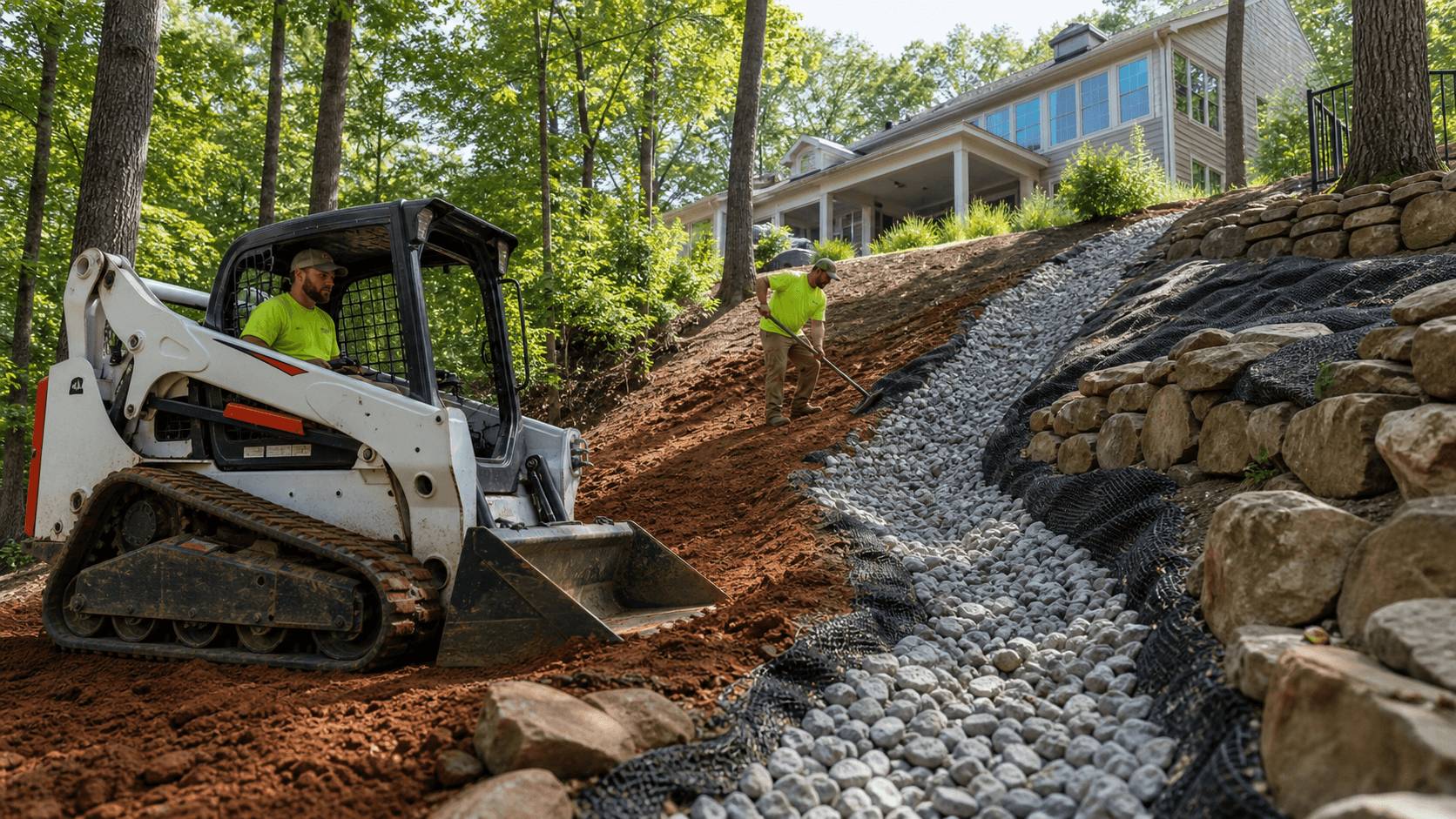
In sloped yards, gravity takes over every time it rains. Water doesn't soak in evenly or sit still. It flows to the lowest point, and along the way, it grabs what it can, including loose soil near the surface. That steady loss adds up.
- Areas under pressure, like vehicle paths or storage pads, can wear out quicker when built on weakened soil
- Footpaths in backyards or ruts created by equipment often dig deeper year by year
- Chattanooga soils, which often include clay, make things worse since they tend to swell when wet and shrink when dry
Those changes might not be easy to spot at first. But once the damage shows near the surface, it's usually been working from below for a while. That's how a simple slope becomes a long-term problem if it's not handled properly.
What Soil Stabilization Services Actually Do
When we talk about stabilizing soil, we're not just talking about hardening the ground. It's more than that. A proper process blends in materials that lock the particles together so they don't keep shifting every time it rains or dries out.
- The treated soil becomes stronger, holding its shape better under weight
- Added materials help the ground resist soaking up too much water, keeping it from turning spongy or uneven
- Areas that were prone to depressions, cracks, or runoff damage tend to stay level longer
The big benefit is consistency. Whether it's the corner of a yard that always gets soggy or a slope where mulch won't stay put, once stabilized, that ground has a lot less movement. That makes it a better place for parking pads, paths, small buildings, or anything else that needs a firm base.
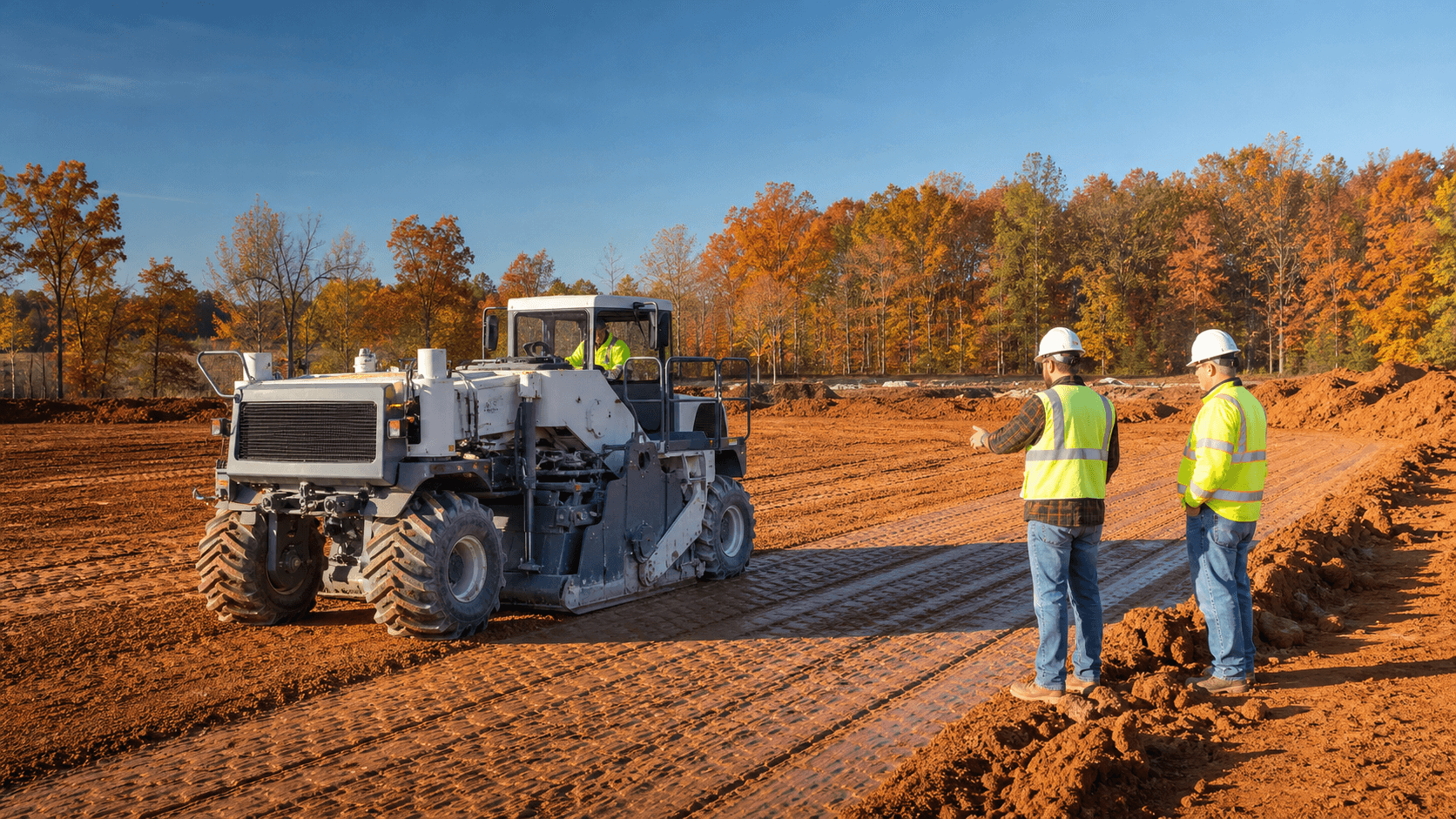
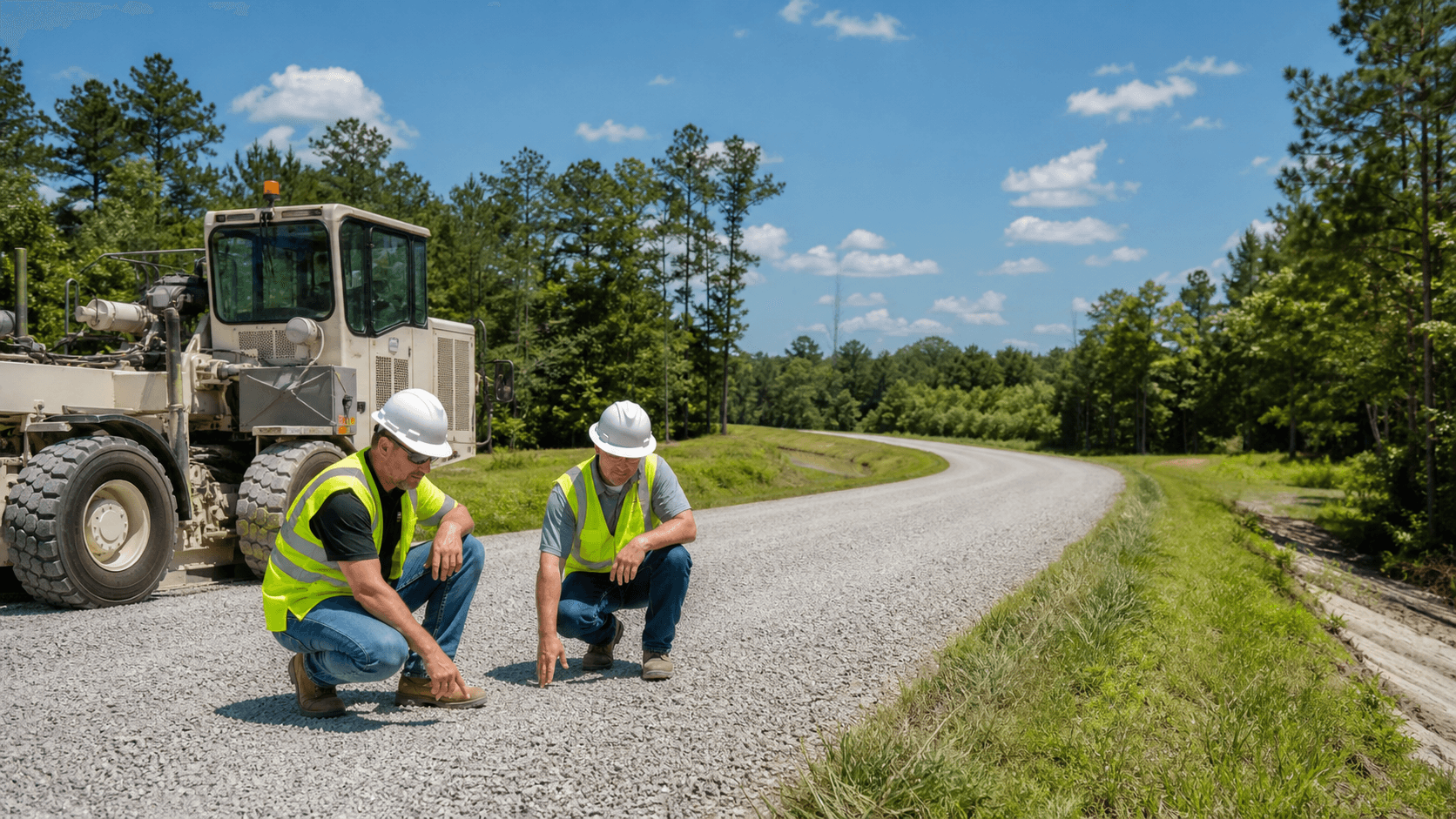
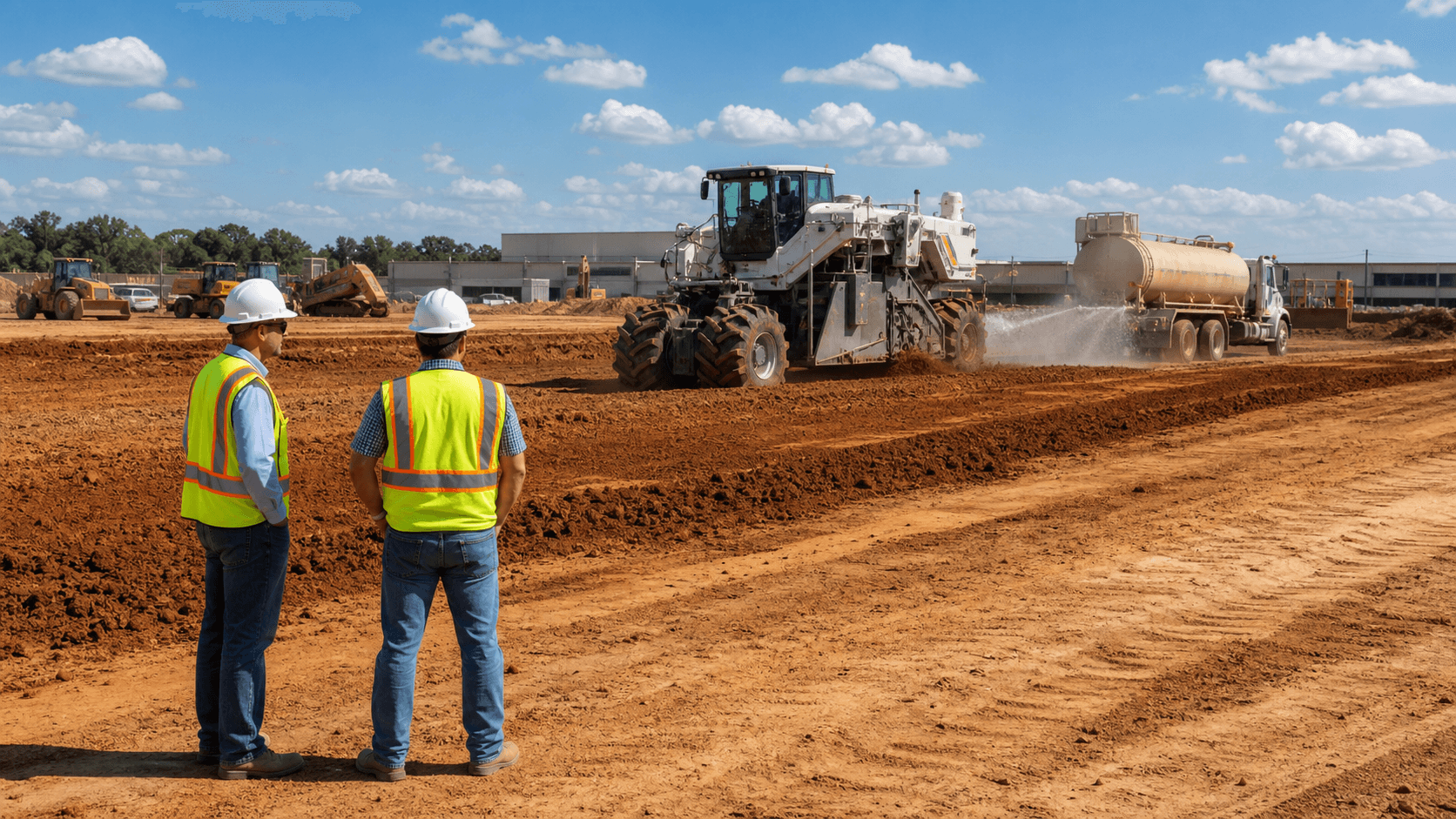
Terra-Firma Stabilization & Reclamation tailors soil stabilization solutions using lime, cement, and fly ash blends to address Chattanooga's clay-heavy slope challenges. Our equipment achieves deep mixing and firm compaction to minimize erosion and support a reliable foundation even after repeated rain.
Warning Signs That a Yard May Need More Support
Even if a yard looks fine on the surface, there are usually early signs when the ground underneath is starting to wear out. Over time, we've seen a few common red flags, especially in sloped corners or along driveways.
- Water keeps pooling in the same places, even days after a big rain
- The edges of concrete pads or sheds seem to be pulling away from the soil
- Outbuildings or fences on hillsides start leaning or feel unstable
These signs don't always mean major failure is right around the corner. But they are hints that the soil is starting to shift or sink. Catching it at this stage is much easier than trying to fix surface damage later on.
Why Late Summer Is a Smart Time to Stabilize
By late August, Chattanooga usually starts to see a break in constant rain. The ground is more settled and dry, which creates better conditions for reinforcing it. That's one reason this time of year is better than waiting until fall.
- Drier soil is easier to grade and bond with stabilizing materials
- Lower humidity helps set the base material more evenly
- Getting ahead of early fall rains prevents soft spots from returning
Once the soil firms up, it holds tight through wet and colder weather later on. If we try this work too early in summer, heavy rain can undo some of the benefits before it's had the chance to take hold. That's why mid-to-late August tends to line up well for lasting results.
Our process begins with careful assessment of water flow and subgrade characteristics, ensuring each yard receives a solution matched to its slope, soil, and seasonal risk factors. Our late summer projects prepare yards to resist erosion and instability through fall and beyond.
Stronger Slopes, Fewer Headaches
If a yard isn't holding its shape, or runoff keeps making a mess, it's likely the problem goes deeper than surface damage. Soil stabilization services give sloped spaces a better shot at staying firm, especially before another season of storms comes around.
By handling the base before things sink, slip, or wash out, we help protect the yard, the structures on it, and the people using it. A level, solid surface isn't just easier to walk or drive across, it lasts longer without needing patching or repairs. In a place like Chattanooga, where uneven ground and summer rains often come together, stabilizing sloped areas now avoids bigger fixes later on.
When your Chattanooga, TN yard shows signs of movement or water damage, August is an ideal time to address the base before fall brings added stress. Small changes in slope often lead to bigger problems when the ground isn't stable, so acting early with the right support can make all the difference. Learn more about how our soil stabilization services can help protect your property. Contact Terra-Firma Stabilization & Reclamation to discuss the best solutions for your yard.