Introduction
Before we bring in the first machine or move any dirt on a Chattanooga job site, we start by looking beneath the surface. Summer heat and scattered storms are a regular part of July here, which means the ground may shift more than expected. If we do not understand what is going on with the soil beforehand, things like sinking pads, delays, or water damage can show up fast.
That is why soil stabilization contractors begin every project by checking several things upfront. From the soil type to what was once built on the land, we take time to get the facts first. It is not just about figuring out what kind of work needs to be done. It is about making sure what is built on top of the ground will not fail because of what is under it.
Checking the Soil Type and Moisture Levels
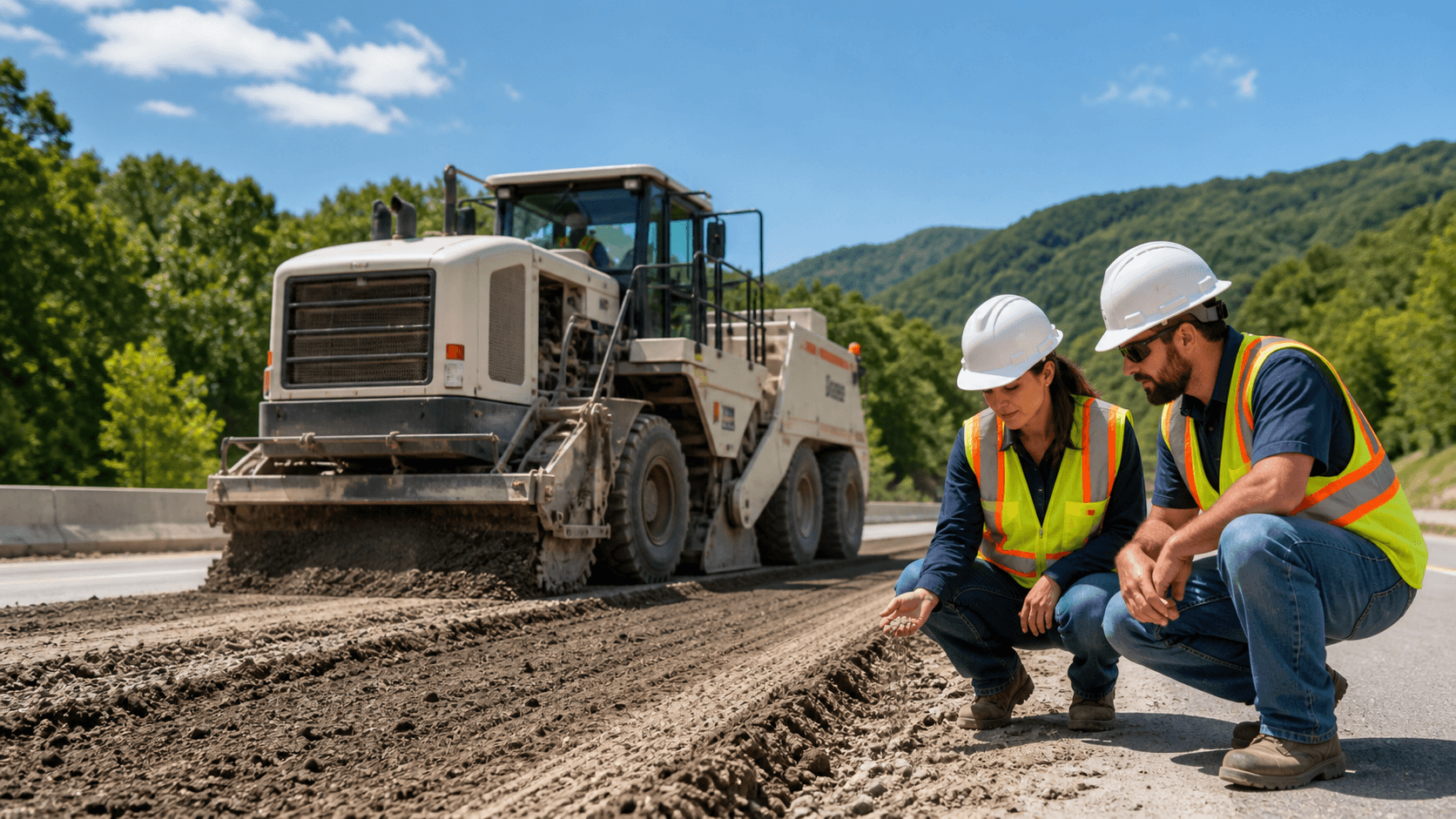
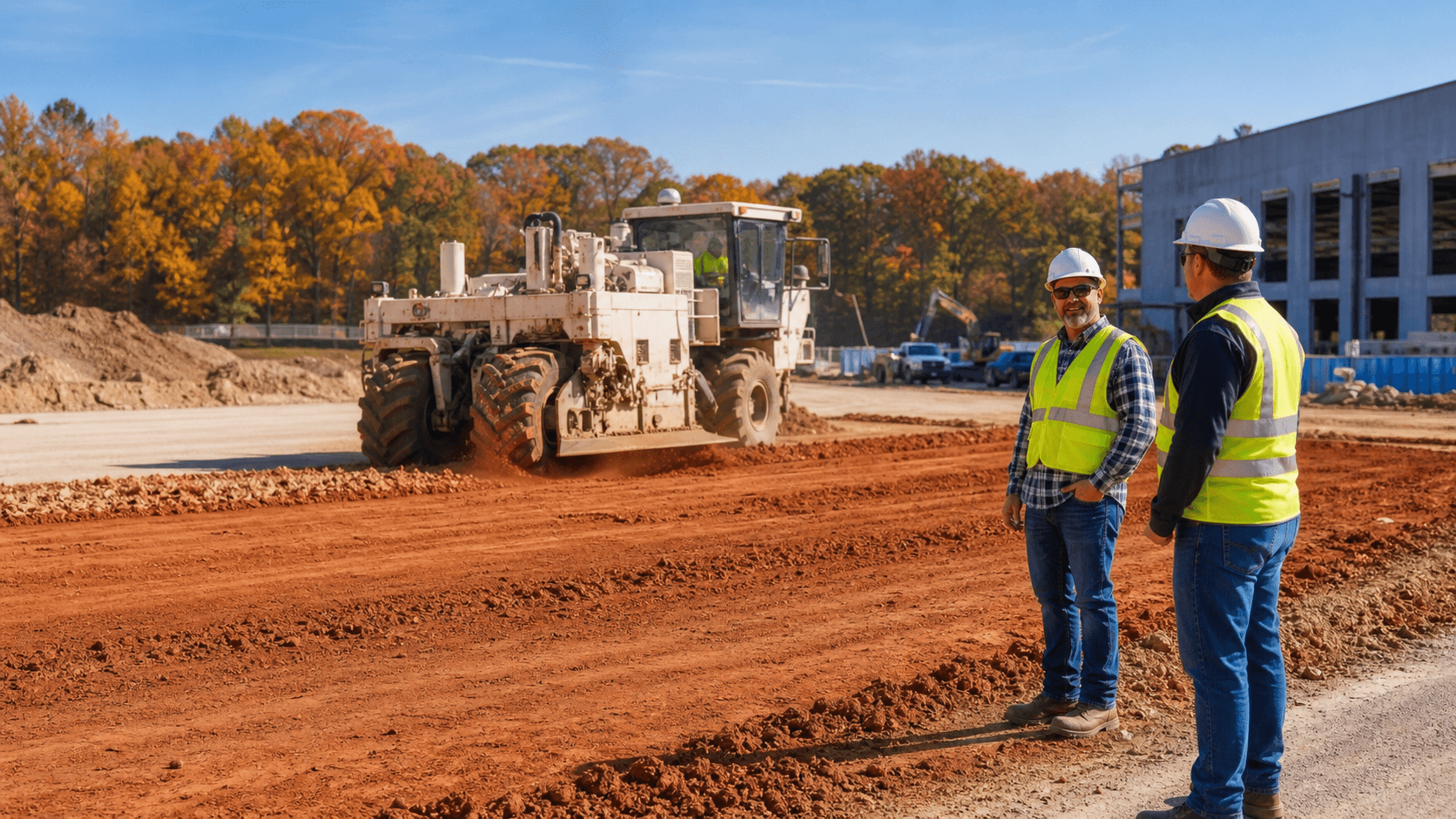
Chattanooga has all kinds of soil. In one area, we might find firm red clay that holds shape once compacted. Just a few miles away, we could be working over loose fill or rocky ground that needs a completely different approach. That is why we test the site early. We take note of what is naturally there and what may have been added over time.
In July, this part of Tennessee often sees short bursts of rain followed by long stretches of sun. That changes how much water the soil holds and how it reacts to pressure. Drier soil can turn hard but break apart easily when disturbed. Wet soil, on the other hand, may seem solid at first but collapse under weight. We use tools to measure how much water is locked in the ground and how deep it goes.
Knowing the base soil and its current moisture tells us what we are dealing with. That helps us decide what kind of treatment will work best and when it should happen. If we move too early or choose the wrong method, it could lead to bigger problems later.
Terra-Firma Stabilization & Reclamation uses lab-based moisture-density and Proctor analysis to determine site-specific soil conditions in Chattanooga. We adapt stabilization blends and application processes based on on-site findings, which helps maximize project durability and schedule reliability regardless of weather conditions.
Testing for Load-Bearing Strength
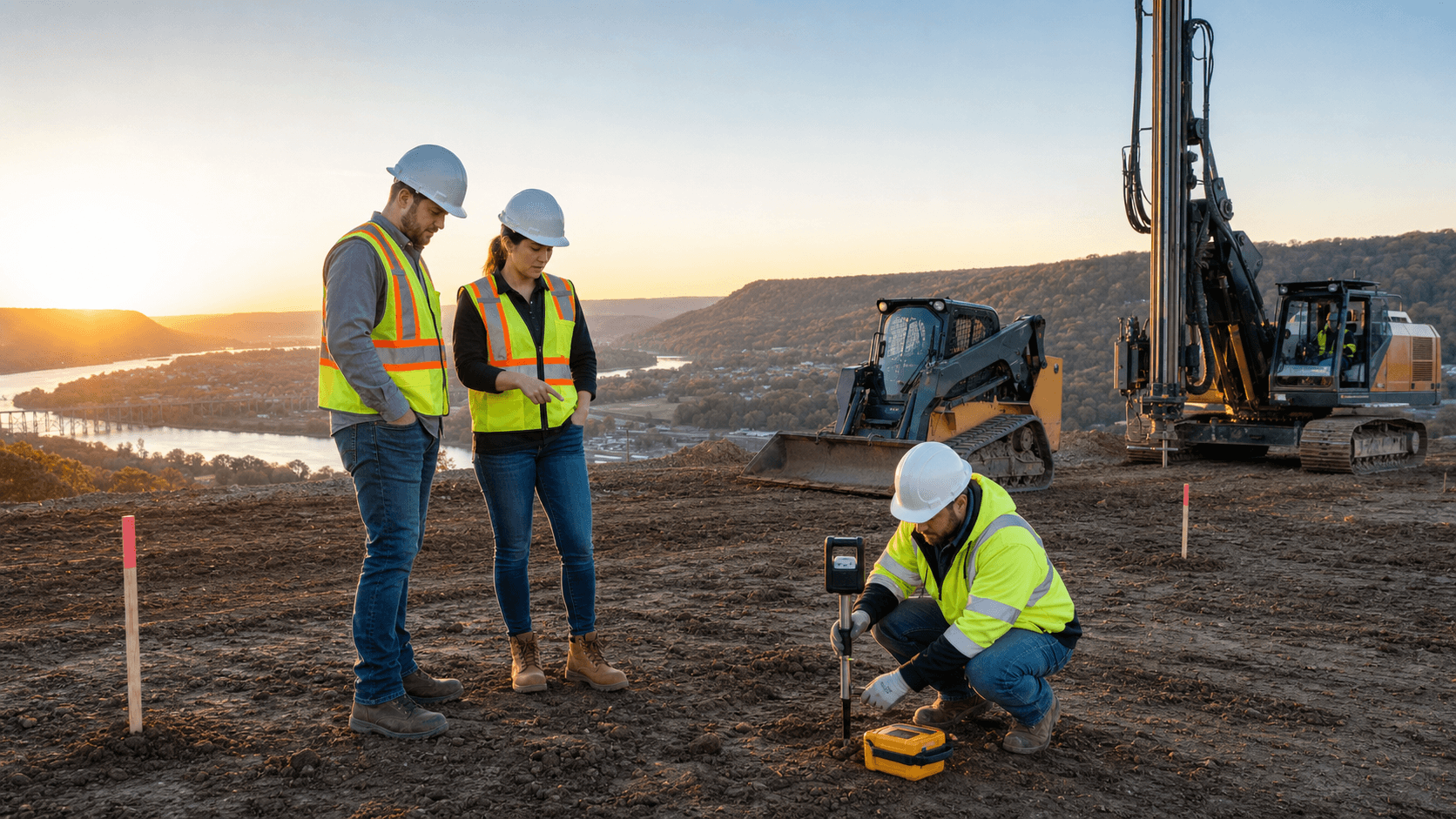
It is not just about knowing what kind of soil is underneath. We also have to know how much weight it can handle. Before construction starts, we test parts of the site to see how well the soil holds up under force. That matters whether we are setting foundations or creating access for large machinery.
We look for soft spots that might not show until pressure is applied. These weaker areas can shift once equipment starts moving. When that happens, things like forms or pads can sink or fall out of alignment. That is the kind of delay no one wants to deal with mid-build.
The kind of traffic expected on the site also plays a part. A light-duty parking area needs less strength than a commercial driveway rated for semi-trucks. The sooner we know what the ground can support, the sooner we plan where extra stabilization might be needed.
Looking at Drainage and Slope Behavior
In summer, it is not unusual for Chattanooga to get quick, heavy rain with little warning. That water has to go somewhere, and if the site does not drain right, it can soak into spots that were otherwise firm. Poor drainage may not ruin a project right away, but over time it can lead to surface cracking, erosion, or even structural shifting.
We inspect the slope of the land to see where water might run during and after a storm. If water moves too quickly, it starts pulling topsoil with it. If it does not move at all, it sits there soaking deeper into the ground and weakening the base. We look for:
- Low spots that show signs of ponds forming
- Washed-out paths where surface runoff cuts through
- Areas that stay muddy longer than others
Even if the soil looks compacted, trapped water underneath can slowly tear it apart. We figure out how ridge lines, trenches, or elevation changes could affect the outcome and adjust our planning around those spots.
Watching for Past Site Use or Fill Materials
Not every build starts on untouched ground. In parts of Chattanooga where older buildings once stood or where land was leveled years ago, we often run into leftover materials. Some sites were filled with whatever was on hand, chunks of old pavement, wood, or mixed soils pushed together and flattened just enough to build on.
These fill materials do not settle the same way natural soil does. They shift, separate, or sink unevenly once pressure is added. It is common to find debris under only part of a slab, which leaves that section at higher risk for cracking or movement.
Whenever we suspect a site has been used before or filled in, we dig targeted test pits and check for changes in soil color, texture, or smell. These clues show where the original ground ends and the backfill begins. That gives us a better idea of how deep we may need to go for proper stabilization and where focused treatment is most useful.
Monitoring Seasonal Timing and Weather Risks
Building in July sounds ideal, but in Chattanooga, the window between dry ground and unpredictable storms can be short. Mid-summer brings intense heat that dries the surface fast, but underground moisture still lingers, especially after recent rain. That mix can throw off timing if we are not watching closely.
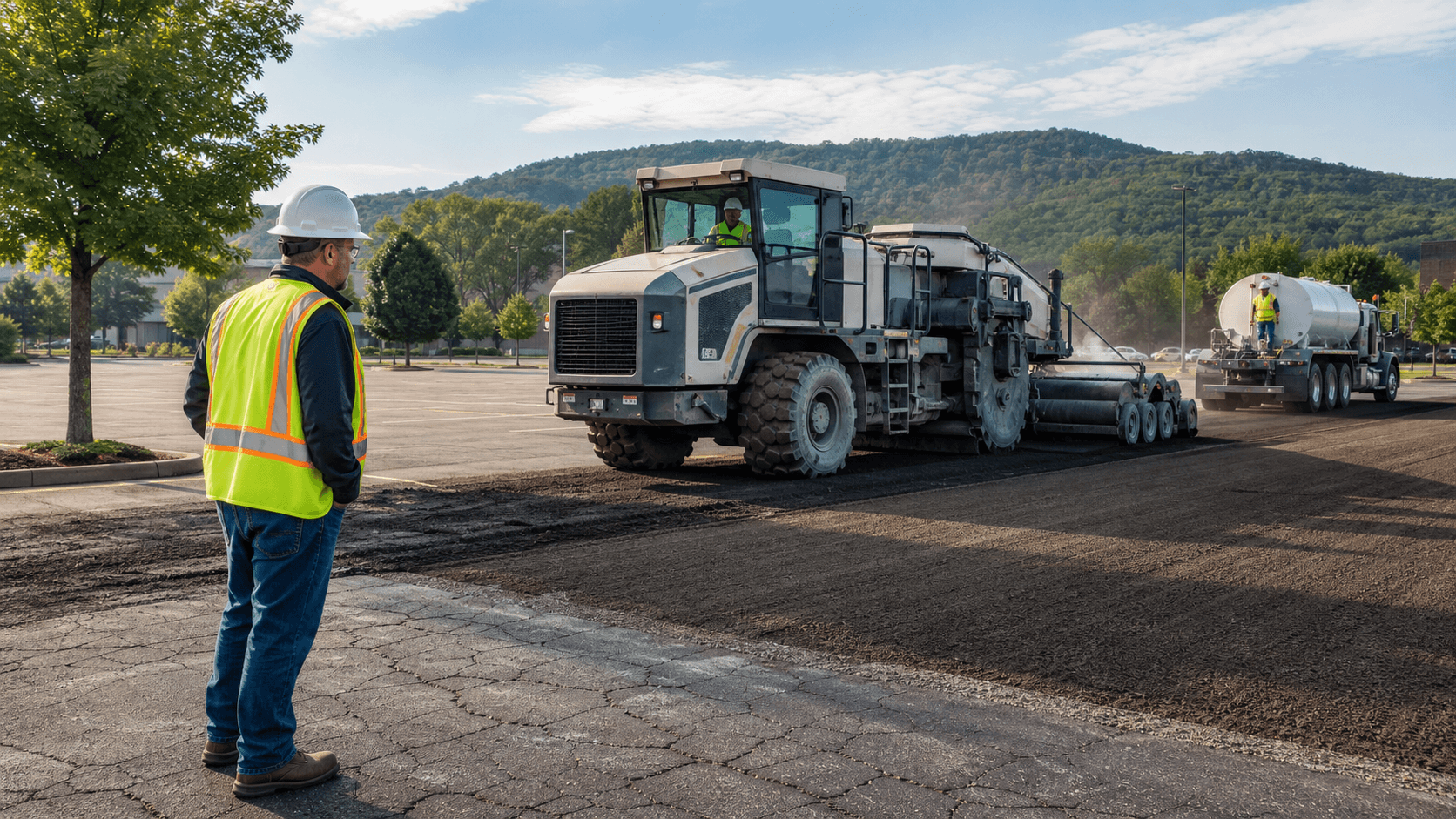
We track weather changes and check historical rainfall patterns to know when the soil is likely to shift most. If we plan stabilization work too close to a storm, we risk surface washout or changes in moisture that delay curing. If we schedule it too early, the sun may harden the top soil too fast, which makes mixing treatments less effective without extra passes.
Rainfall and ground temperature affect how long prep steps can sit before follow-up work begins. It is not just about staying on schedule. It is about matching steps with the weather, so each part of the process holds.
Solid Ground Means Fewer Surprises
What we check before the build begins makes a bigger difference than many people think. Soil type, past use, slope, water flow, and strength all shape how construction will go, and how long it will last. Skipping one of those checks may not cause trouble right away, but weeks or months down the line, the effects show up as cracking, sinking, or slowing everything down.
When we slow down at the start and pay attention to the behavior of the ground, we give the project a better chance of staying on track. Early steps help prevent damage, reduce waste, and keep adjustments small. Long before the first wall goes up, we are laying the groundwork, literally, to make sure what is built will stay standing.
Planning a build in Chattanooga, TN? Understanding soil behavior before construction begins is necessary for a successful project. We take the time to inspect every detail early, so the work that follows is more efficient and built to last. Our approach reduces unexpected issues that can delay your schedule or cause complications later. Discover how our soil stabilization contractors manage site preparation across Tennessee, and reach out to Terra-Firma Stabilization & Reclamation to discuss your next project.