When pavement starts to buckle, it's not just an eyesore. It can slow down work, damage equipment, and make entire job sites harder to access. In places like Huntsville, Alabama, where road use is steady throughout the year, this kind of surface issue often comes back again and again. Especially in late summer, when rainstorms move through and the ground softens, weak spots in the pavement rise up or sink down, wrecking what should be a solid roadway.
Patch jobs may work for a short time, but if the layers underneath the road are still loose or weak, the surface never holds for long. One of the better ways to stop this problem at the source is full depth asphalt reclamation. It doesn't just deal with the top layer. It rebuilds the structure underneath too, giving roads and lots a better shot at holding together without needing another fix weeks later.
What Causes Buckled or Uneven Road Surfaces
Surface buckling usually starts when something under the pavement gives out. This could be old fill dirt that moves when it gets wet, base material that never settled right, or repeat repairs that didn't fix the deeper issues.
- Moisture is a big part of the problem. When water gets into the layers beneath asphalt, it weakens the ground and causes sections to swell or sink. Add pressure from heavy trucks or equipment, and it breaks down even faster.
- Summer heat only makes it worse. Asphalt can soften under high temperatures, especially when it's already been patched a few times. When that soft surface flexes under tire pressure, it can ripple or lift in spots.
- Old repairs don't always help. If a road's been resurfaced over and over without fixing the base, the damage tends to come back in the same places. This creates raised edges, soft centers, and cracked patches that spread each season.
How Full Depth Reclamation Works Step by Step
What makes full depth asphalt reclamation different is how deep it goes. It's not about tossing down a layer of new blacktop. The process digs into the existing structure and gives the entire roadbed a reset.
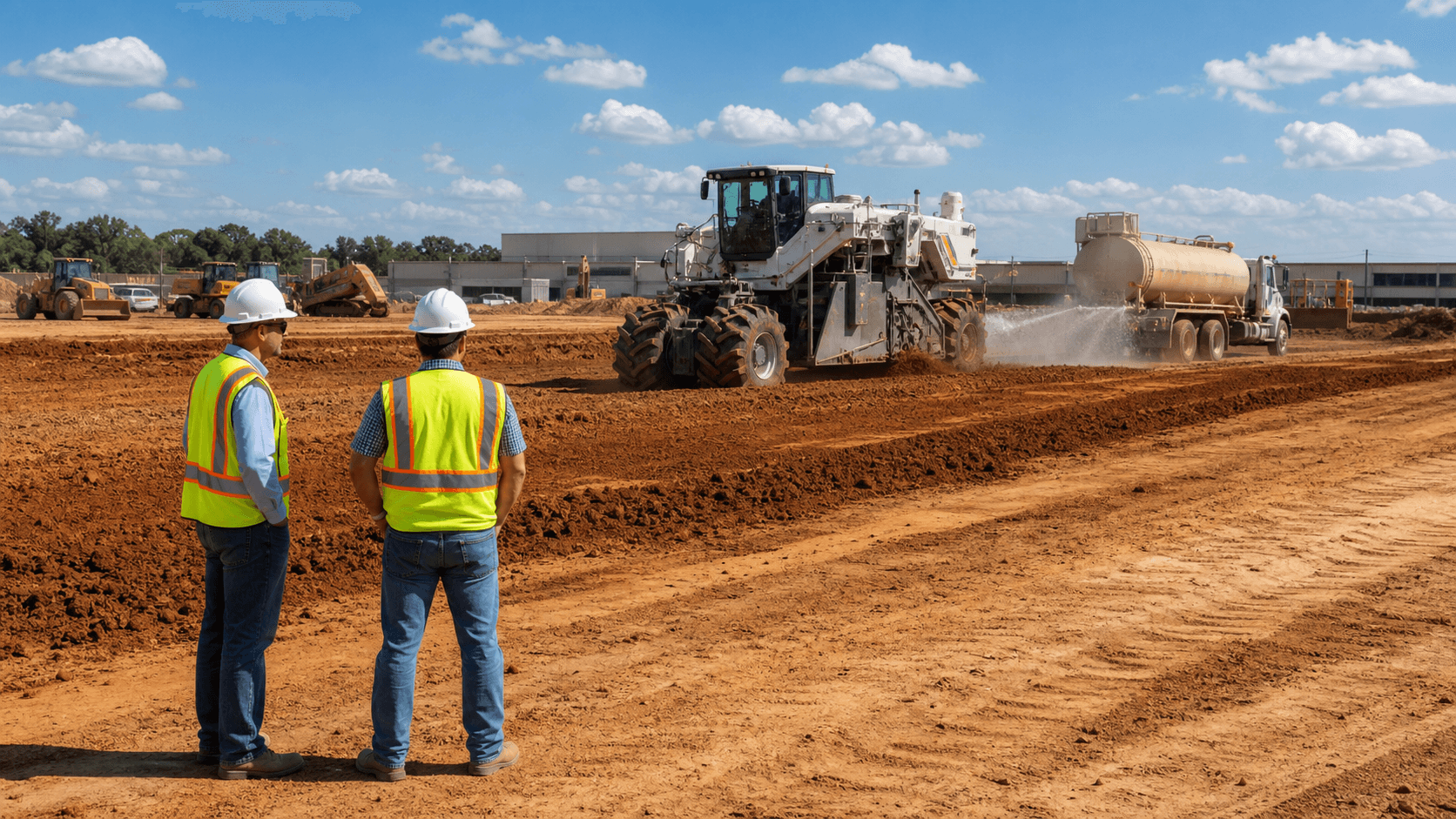
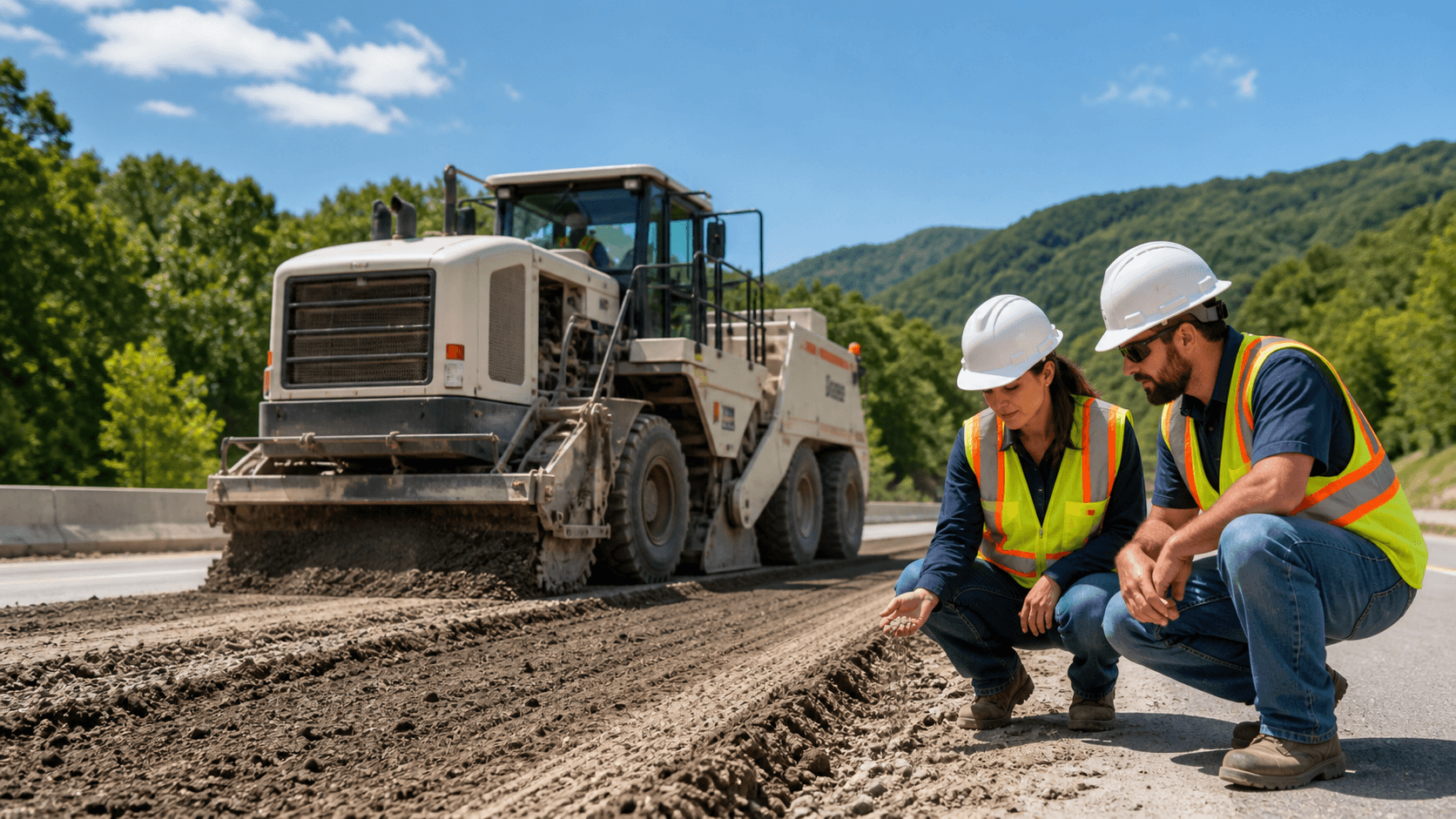
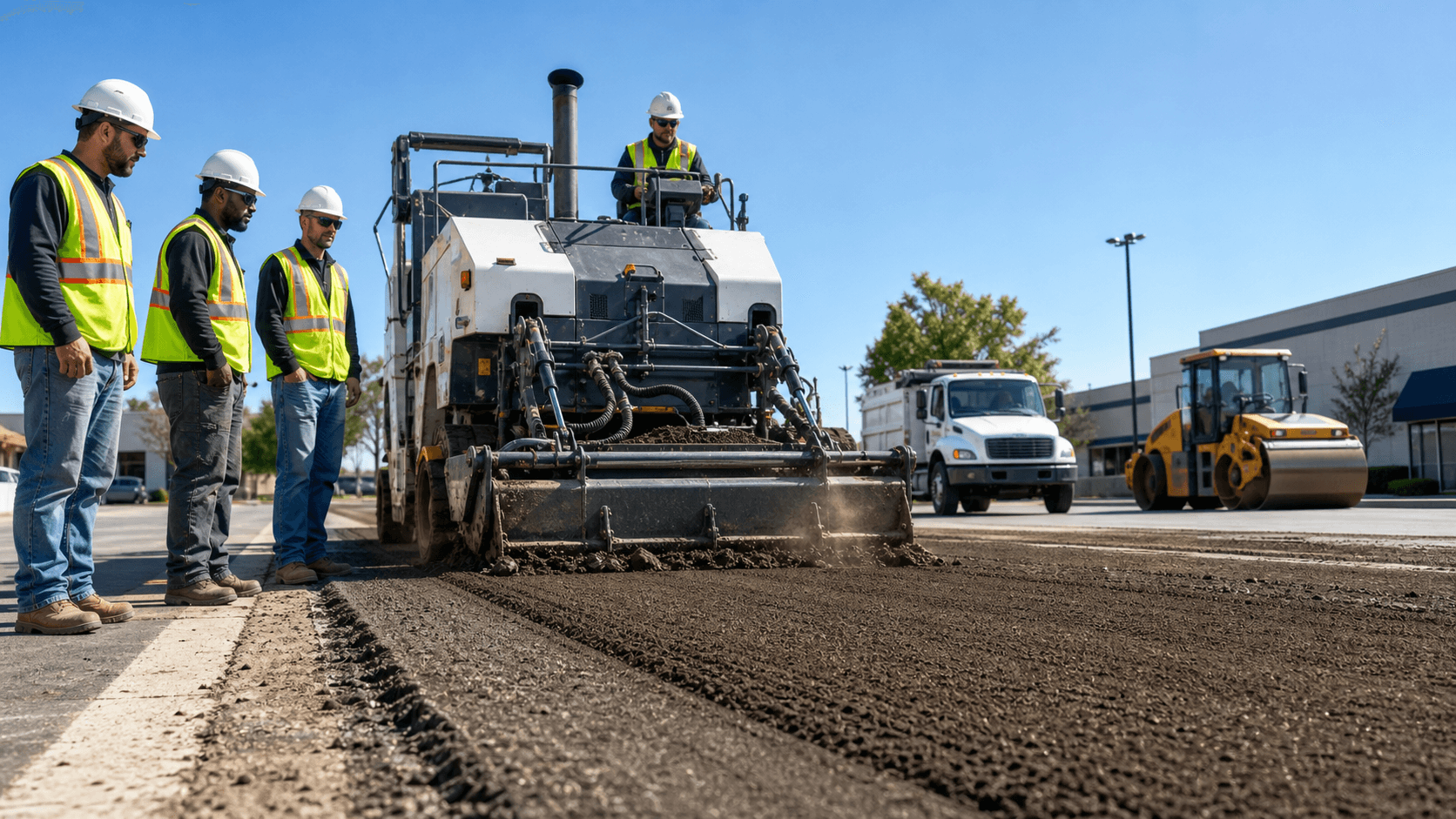
- First, the old asphalt surface and base are ground up using specialized equipment. This blends the two into one uniform layer, which helps remove weak spots and combines materials that might still have some strength left.
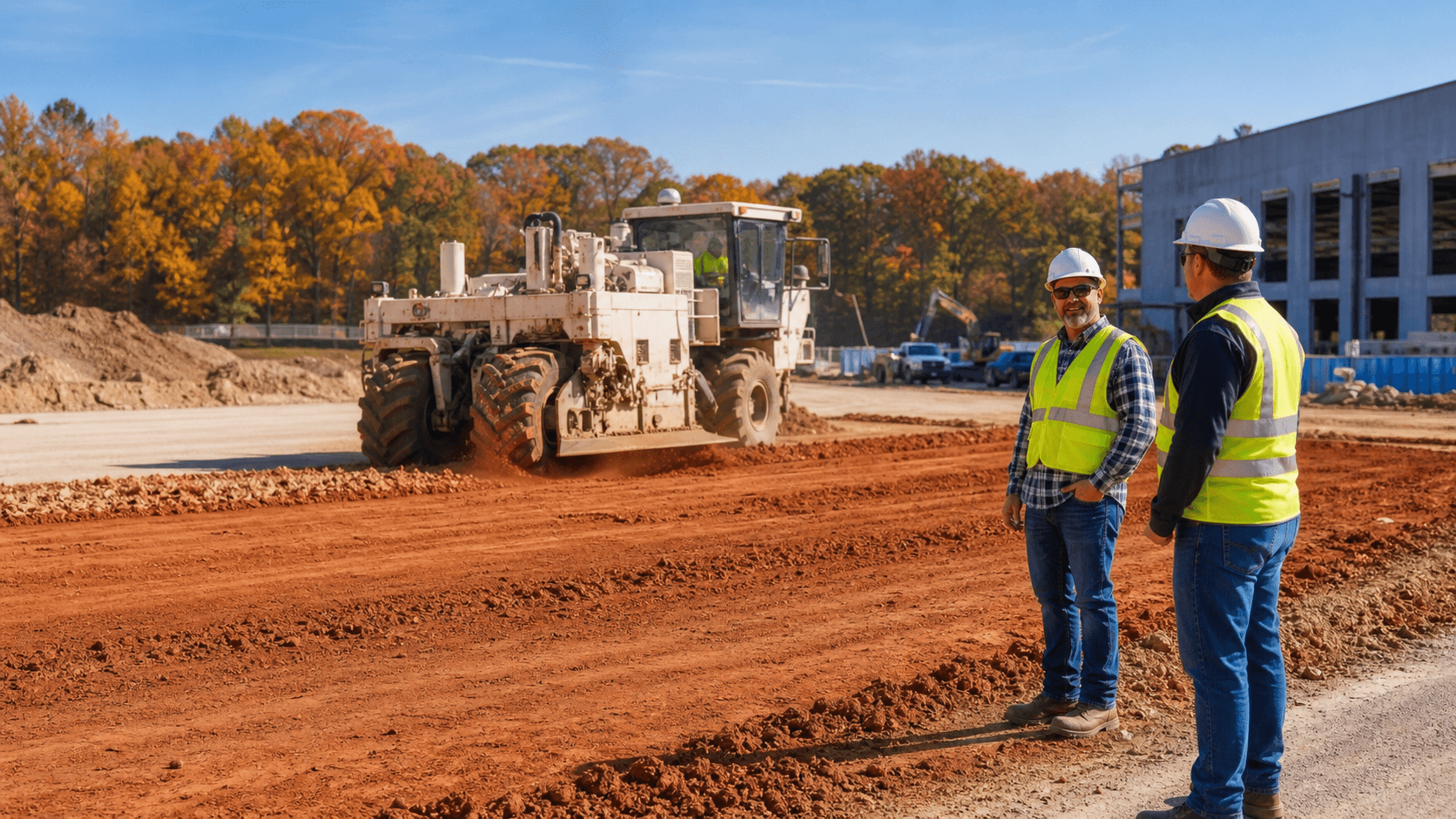
- Stabilizing agents are mixed into that blend. These additives help the combined materials bind together better. What was once a soft or broken patch becomes stronger and more compact.
- The new base is then graded and packed down. Crews shape the roadbed and make sure it's firm from edge to edge. Once it settles and dries properly, it's ready for a new surface layer, giving it a smoother feel and a better hold.
By dealing with both the surface and what's underneath, this process prevents buckling by giving the asphalt something solid to rest on.
Terra-Firma Stabilization & Reclamation applies advanced full-depth reclamation equipment and stabilizer selection based on site-specific soils in Huntsville, AL. Our crews use thorough pre-project soil evaluations to determine optimal blending, compaction, and curing practices, improving base longevity and minimizing surface failure risk.
Why Rebuilding the Base Helps Roads Stay Flatter
The reason full rebuilds work better than patches is simple: strong ground holds up longer. A road that's built on compact, stable material handles weight and weather better than a road that just looks smooth on top.
- A new base layer holds its shape better during wet weather. Instead of sinking when it rains, it drains water away and spreads pressure across a larger area.
- Fully blended materials won't pull apart the same way separate layers will. Instead of cracking along an old seam or sinking into a pothole, the surface stays flat.
- With fewer soft spots to react to weight, heavy equipment won't leave deep ruts or cause the surface to ripple. This helps jobsites run better and cuts down on cleanup or downtime caused by bad road conditions.
Over time, a stable base keeps the surface from wearing down at the same rate. Instead of chasing repairs every season, roads hold longer and stay safer to use.
Best Time of Year to Schedule This Work
Late summer is one of the better times to do deep work like this. Around August in Huntsville, dry conditions make it easier to manage soil and moisture on site.
- The ground is typically drier, which helps stabilizing materials combine with the base more effectively. Fewer delays from rain make scheduling more predictable.
- Without as much groundwater in the mix, grading and compaction both go more smoothly. There's less risk of soft spots forming while crews are still working.
- By getting this work in before fall storms pick up, it's easier to avoid quick fixes later in the year. Emergency repairs in wet or cold conditions are harder to manage and don't last as long. Planning ahead during the dry season gives a better return on the time and effort needed to do it right.
More Than Just a Patch: A Better Long-Term Fix
Surface damage doesn't have to be a repeating problem. When pavement starts giving out year after year, it's usually a sign that the top layer isn't the real issue. By using full depth asphalt reclamation, we get to the core of the problem and remove the layers that are no longer doing their job.
This process means fewer repeated repairs, fewer surprises during wet seasons, and roads or work areas that keep their shape over time. For roads that see steady use and can't afford regular breakdowns, starting fresh from the ground up helps keep everything moving as it should.
When roadways in Huntsville, AL, show constant signs of damage despite frequent repairs, it's often a sign that the underlying issues need real attention. Our team rebuilds the roadbed to make it more resilient to weather, heavy loads, and daily use. With full depth asphalt reclamation, we extend the lifespan of your roads by solving the root problems rather than relying on temporary fixes. Choose Terra-Firma Stabilization & Reclamation for a long-term solution and a stronger infrastructure.