Around Chattanooga, we deal with a wide range of weather throughout the year. Spring brings heavy rains, then heat and humidity roll in fast by early summer. These shifts put a lot of pressure on paved surfaces. Parking lots, roads, and even driveways start to break down more quickly when the weather flips back and forth.
That's where full depth asphalt reclamation can really make a difference. Instead of scraping off the top layer and patching old asphalt again and again, this process rebuilds the entire base. It's a better match for the wear and tear that happens in this part of Tennessee. By the time summer starts to heat up, having a solid base that's been treated and compacted the right way gives the surface a much better shot at holding up without constant repairs.
How Weather Impacts Driveway and Road Surfaces in Chattanooga
We've seen it plenty of times, pavement looks fine all winter, then begins to fall apart as soon as spring hits. That freeze-thaw cycle can be especially hard on older asphalt. Water gets into cracks, then expands when it freezes. By the time the ground warms up, those cracks have spread, and the surface starts to shift.
When June arrives, the rain doesn't let up right away. Chattanooga often gets heavy showers that soak into weak spots under the road. That means the base holds more water than it should, softening the layers below the surface. Then everything dries quickly in the heat, tightening the top while the bottom is still weakened.
Surface patches or overlays do very little to protect a road with that kind of damage underneath. Even if they look smooth at first, you'll notice dips and cracks forming again before the season ends. That's why deeper repairs matter for lasting results and a durable road surface.
What Makes Full Depth Asphalt Reclamation Different
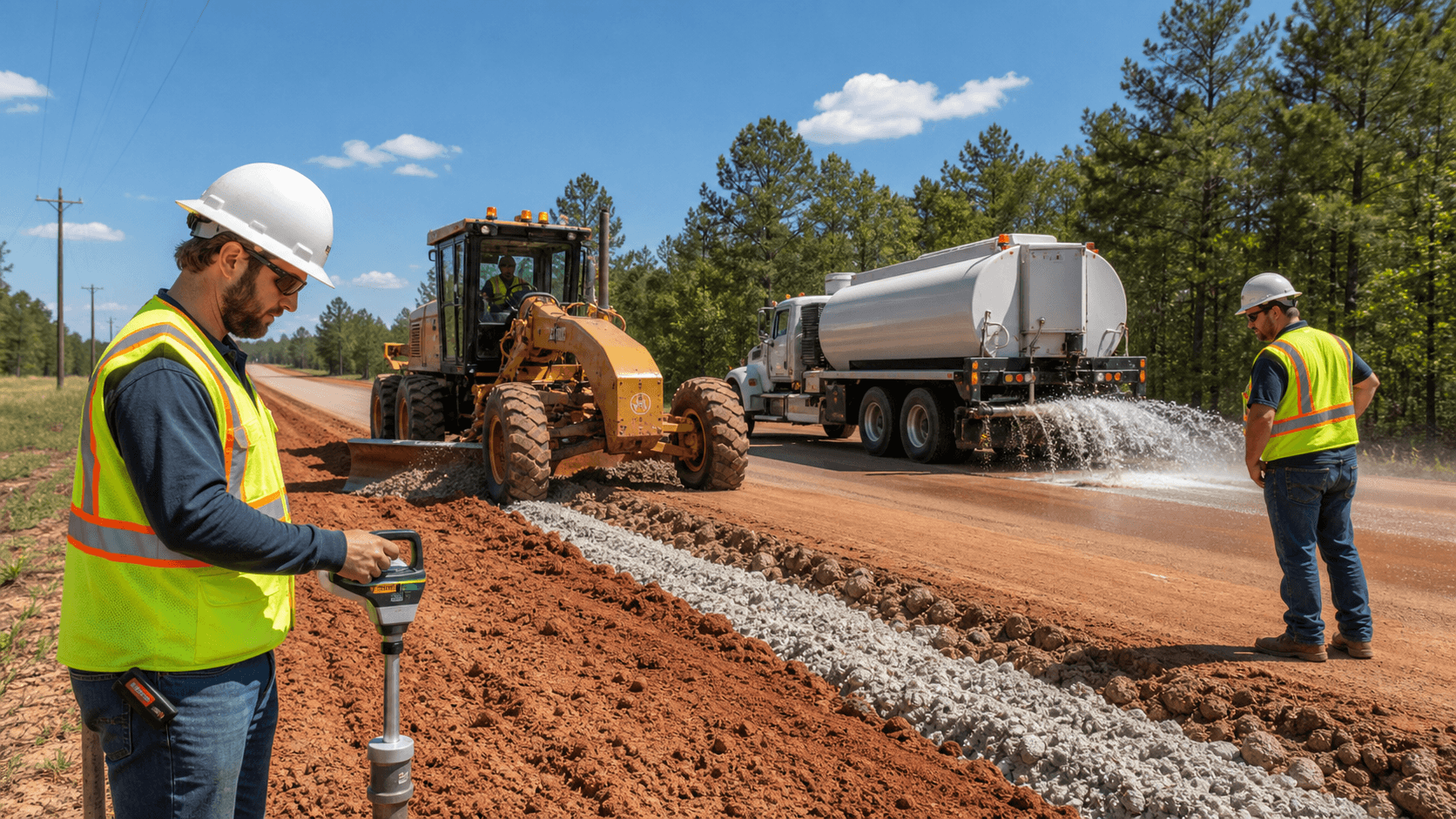
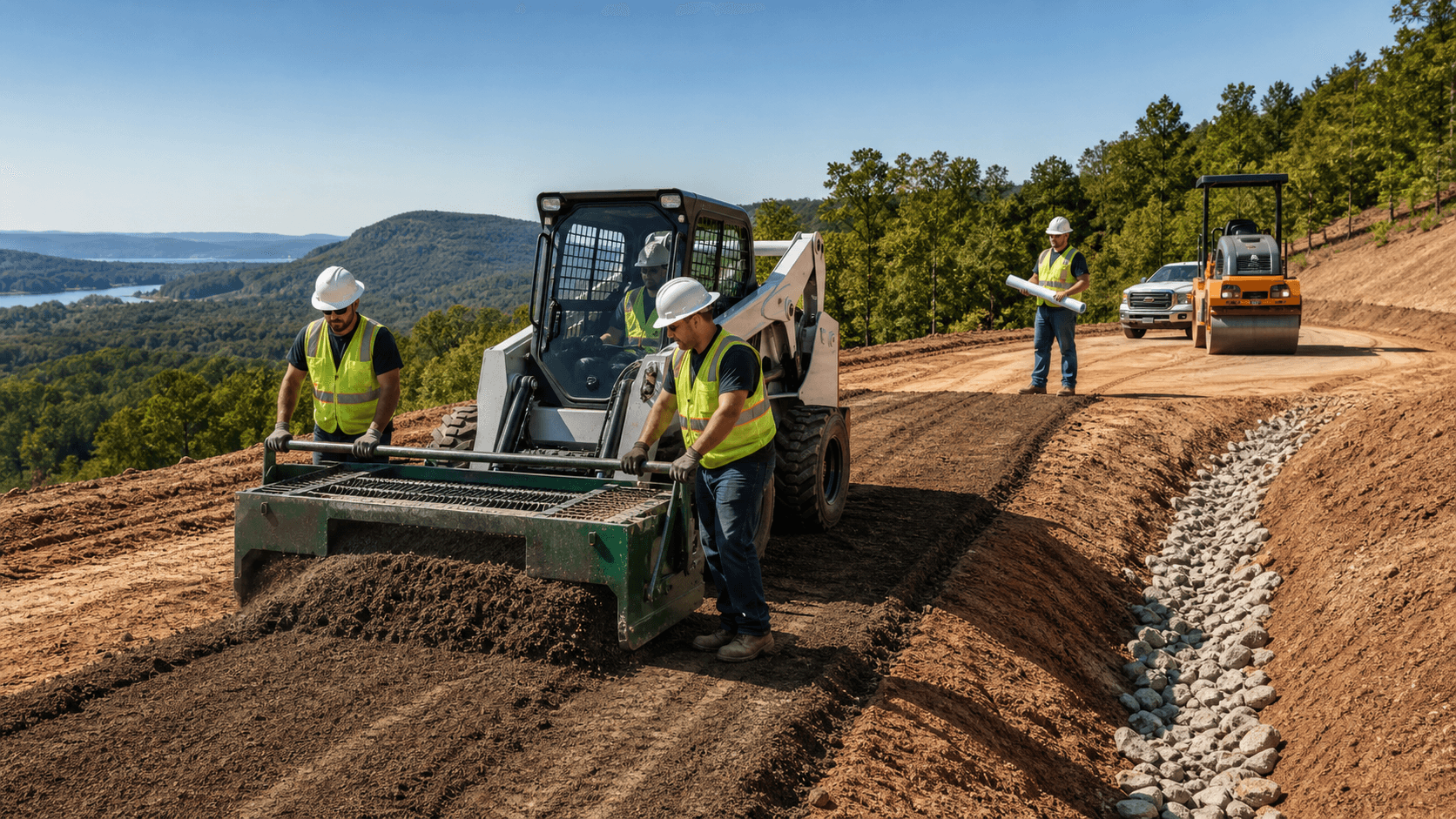
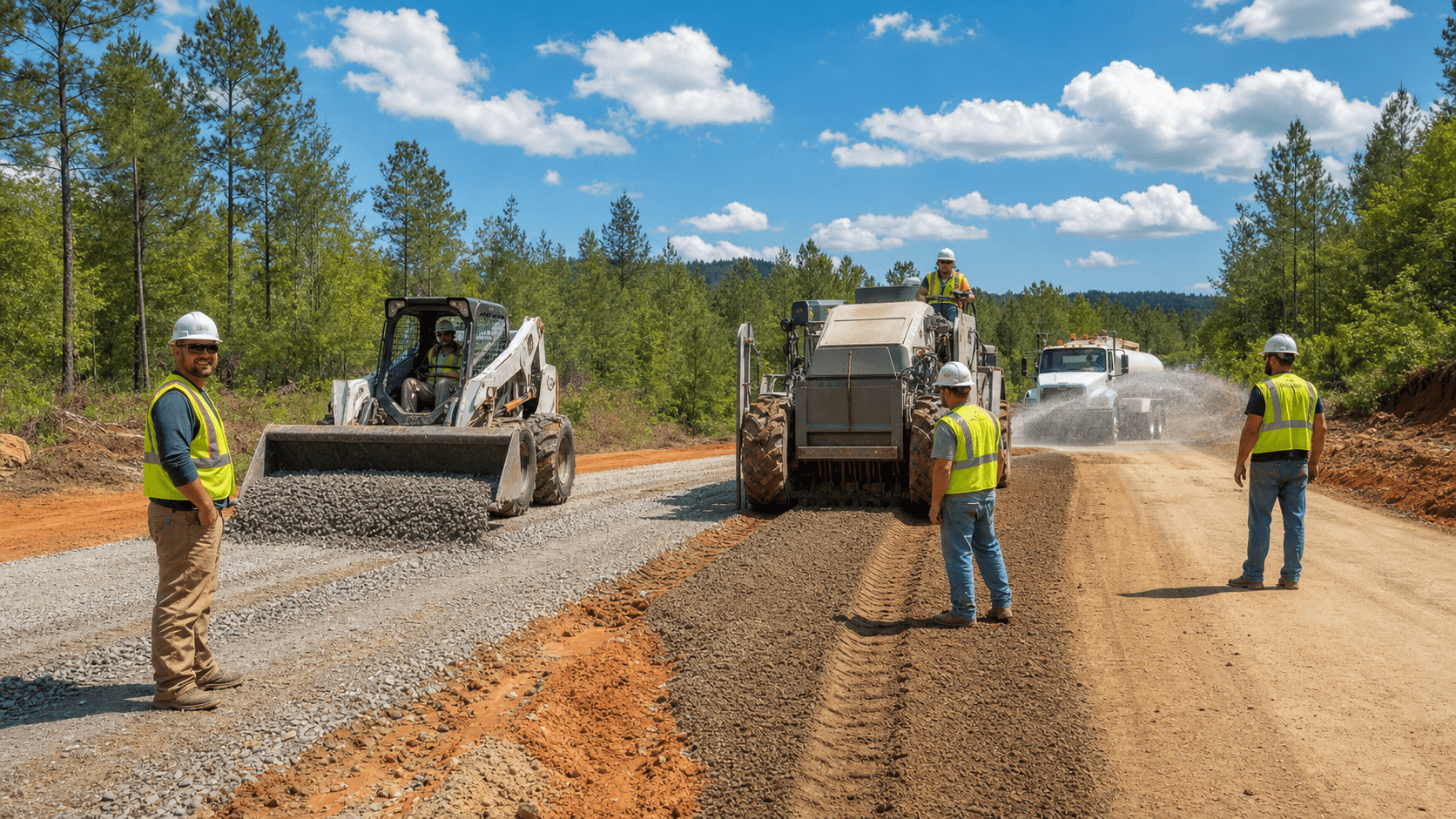
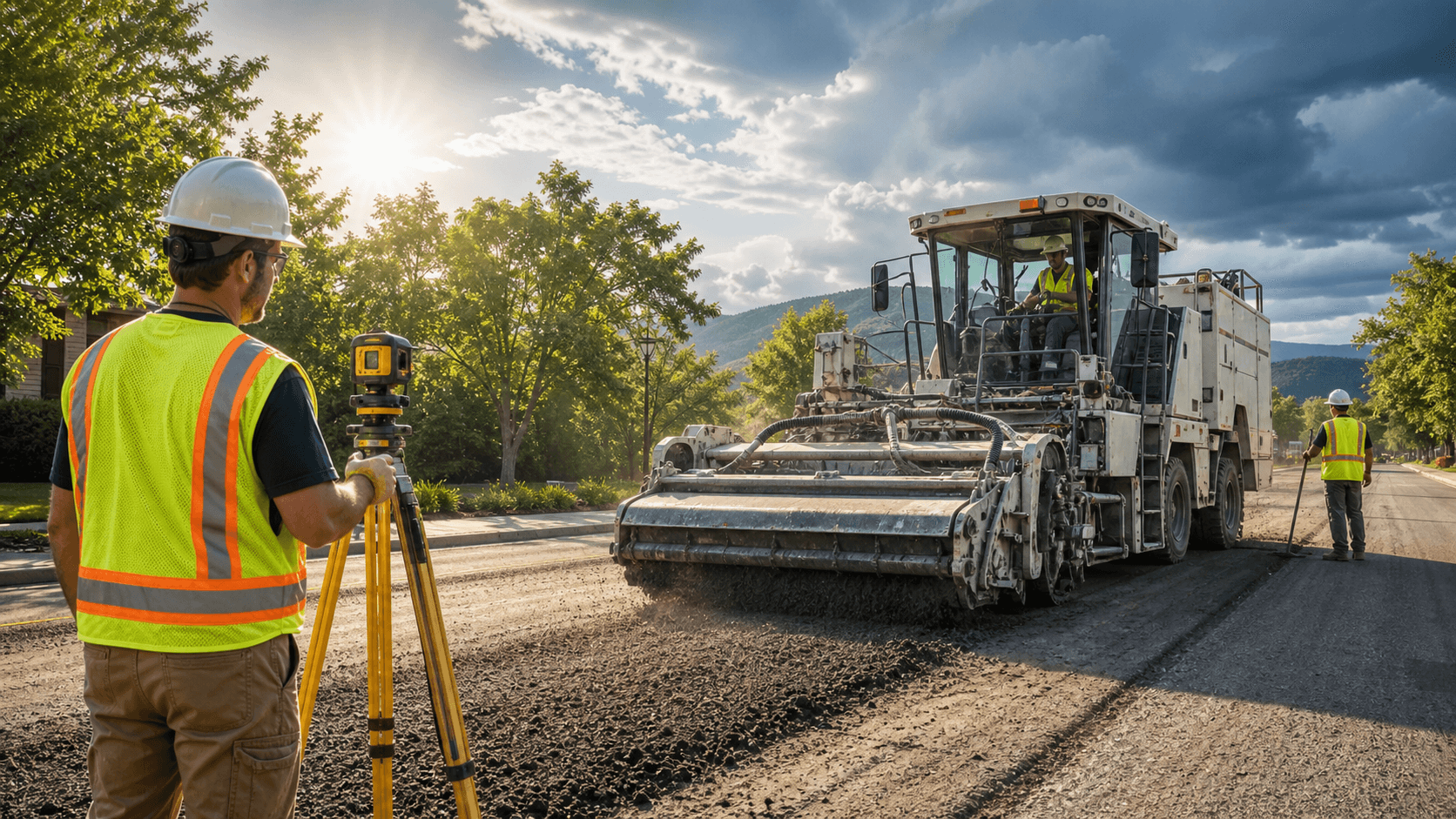
Unlike a simple resurface, full depth asphalt reclamation breaks up the existing asphalt and blends it with the layers underneath. We don't just remove the top and haul it away. Instead, that old material gets broken down and used as part of the new base. Once we mix in the right stabilizers, we compact everything to create a stronger layer from the bottom up.
This process works especially well in hot, wet places like Chattanooga. That reclaimed material bonds better when stabilized properly and can take on both traffic and drainage better than untouched soil. Plus, there's less shifting during those muggy summer weeks when the heat and humidity hit hard.
The difference shows over time. Surfaces that have been fully reclaimed tend to stay more level and resist those soft spots that show up in late summer. It's the kind of method that doesn't just deal with what's visible but strengthens the whole path underneath.
Terra-Firma Stabilization & Reclamation applies advanced full-depth reclamation techniques, using modern equipment and high-quality stabilizers to increase strength and drainage in Chattanooga's variable summer climate. Our approach recycles pavement and existing base materials in place, which reduces costs for clients and minimizes construction-related waste.
Why This Method Works Well in Early Summer
By early June, we're in a good window for this kind of work. The ground still has some moisture left from spring rains, but the sun is out often enough to help with drying. That balance helps the reclaimed material settle and lock together without drying too fast or holding too much water.
If we wait until the peak of summer, surfaces are harder, drier, and more brittle. That makes it tougher to blend and compact reclaimed layers well. But when we work earlier, like in June, the base sets up smoothly and holds its shape better once weather and traffic get heavier.
A good base laid now will be ready by the time the roads are seeing more use, trailers heading out for projects, summer traffic picking up, and farm equipment crossing rural roads. It's a smart time to do long-lasting work that holds tight through July and August.
Long-Term Benefits for Rural and City Roads Alike
No matter where you're working, on a country road or a lot inside the city, reclaimed asphalt holds up better with less maintenance. Once the base is blended and compacted right, it can handle water, heat, and vehicle weight all at once.
- Surfaces stay level, reducing washouts and dips during rain
- Gravel or asphalt set on top of the treated base won't shift as fast
- Vehicles can pass more often without tearing up the same areas again
That's especially useful in areas like Chattanooga, where both weather and traffic can change fast. When the job is done with care early in the summer, that smoother layer stays together longer. We don't have to come back with extra loads of gravel or pour patch after patch into a road that keeps giving out.
Our team's expertise with local site conditions lets us develop custom mixes for full depth reclamation, whether the project is a subdivision roadway or a busy commercial lot. This tailored approach ensures every surface is ready for Tennessee's summer cycles of rain, heat, and heavy vehicle use.
Over the years, we've seen that this process takes away a lot of the guesswork and headaches that come later. Roads that have been properly reclaimed need fewer spot repairs, show less rutting, and drain water away more smoothly and predictably. In a place with unpredictable weather swings, controlling what you can under the surface goes a long way.
A Strong Surface Starts with Smart Timing and Solid Methods
Chattanooga faces a tricky mix of moisture and heat throughout the summer, and most surface fixes don't last long under those conditions. That's why we tie our timing to what the ground is doing underneath and treat the full base instead of just skimming the top.
Full depth asphalt reclamation isn't just about fixing what's broken, it's about making the whole surface stronger before it starts failing again. By starting in early summer, we help the soil and asphalt blend together better and stay that way once the real heat begins. When the prep work matches the season, the results stick around longer. That means fewer repairs, better drainage, and roads that stay smoother, even when the wheels don't stop turning.
Surface issues on your Chattanooga, TN, site can signal deeper problems that demand attention below ground. We tie our work to the seasons, creating a solid foundation that stands up to local weather extremes. Our approach to full depth asphalt reclamation is built for the region's changing rain and heat, providing lasting solutions for driveways, access roads, and lot surfaces. Connect with Terra-Firma Stabilization & Reclamation to plan your next project and achieve results that stand the test of time.