Early fall in Chattanooga brings a shift in the weather. Temperatures begin to cool off, but rainfall tends to pick up as the season progresses. For pavement that's already been through a long, hot summer, these changes can push surfaces past their limit. Cracks that started small turn into washed-out holes, and edges that used to look neat may start falling apart. Pavement reclamation steps in at this point. By recycling what's already there and giving the base new strength, it offers paved areas a much better chance of holding up through rain, cool air, and the wear of daily life. Taking care of this work before the real cold arrives helps stop rushed fixes later, especially when winter is right around the corner.
How Pavement Breaks Down During Late Summer
By the time August wraps up, most paved surfaces in Chattanooga have faced months of sun and heavy use. That heat dries out the materials, making them more brittle, especially in older spots where cracks have been forming year after year. As traffic, sunlight, and weather keep pressuring those weak areas, pavement can lose its flexibility and start to break down from the inside.
- Surface cracks deepen as the pavement keeps expanding and shrinking
- Worn edges unravel along drive lanes, paths, and parking lots
- Areas that collect water become soft underneath and slowly collapse
Late summer brings strong storms that can dump heavy rain all at once. When this happens, any weak or soft spots that formed during dry weather become even softer. Drainage can become a problem, and water sneaks underneath the pavement faster than before. Seeing these conditions is usually a sign to move quickly toward repairs so things don't get worse.
As the ground heats and cools across the weeks, it's not just the surface that feels the impact. The materials underneath start to shift, too, especially where soil was never treated to hold up over time. Reclaimed pavement techniques help limit how much that movement and water infiltration can harm the surface.
Why Fall Weather Creates Challenges for Weak Pavement
With the arrival of fall, Chattanooga's weather can swing back and forth. Rain becomes more frequent, and temperatures often bounce between cool sunrises and warm afternoons. Pavement already weakened by summer finds it hard to keep up with these cycles.
- Moisture mixed with cooler air pushes base layers to move and split
- Each rain event can dig deeper depressions, especially in high-traffic spots
- Patch and repair materials start setting slower during cold nights
As autumn gets colder, the window for making strong, reliable fixes gets shorter. Wet days can delay repairs, and cooler weather means the materials used for patching or sealing take extra time to cure. Waiting too long brings a greater risk of needing emergency repairs and rushed jobs when fast-changing weather returns.
Fall not only means more frequent rain, but increased leaves and organic matter that can clog up surface drains and increase standing water on older or damaged pavement. When the ground starts to cool down, it gets tougher for crews to work efficiently, which is why early action is best.
How Pavement Reclamation Solves Common Surface Issues
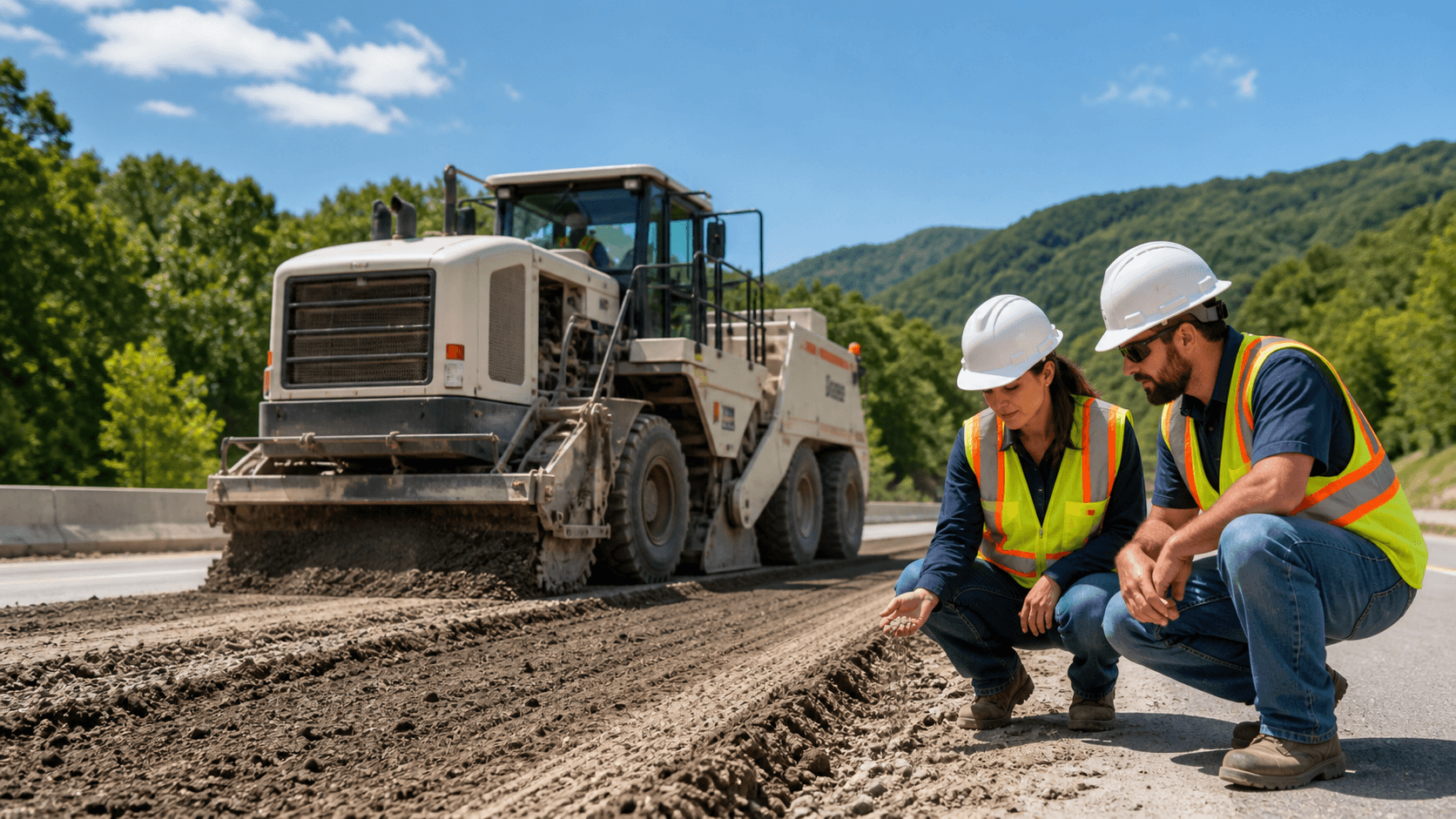
Pavement reclamation is all about making the most of what's already present underfoot. Most sites break down from the top, but often the underlying structures hold value if approached the right way.
- We remove rough, broken asphalt from the top layer but keep and reinforce materials below
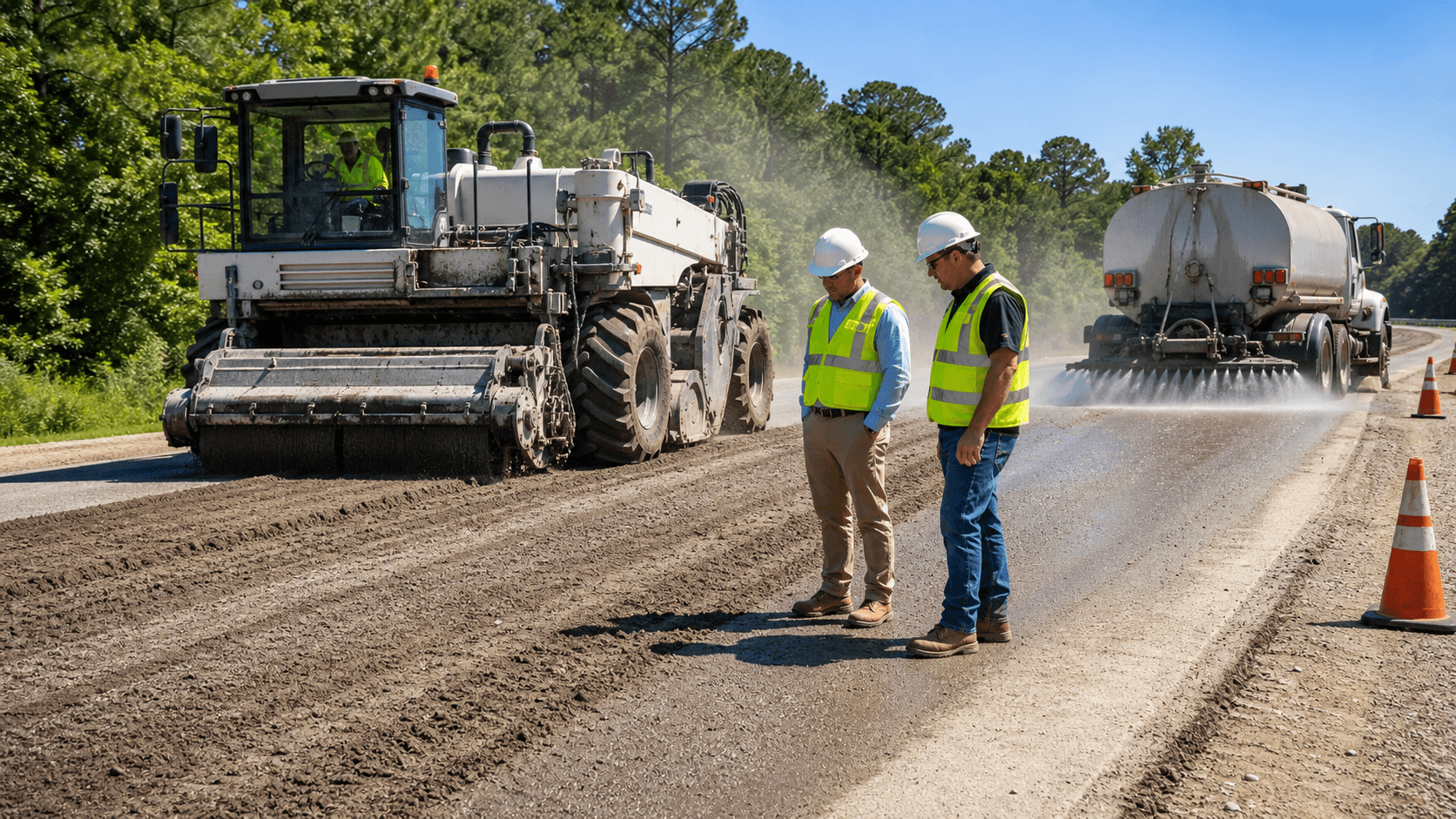
- The reclaimed layers are blended and stabilized into a new, compacted base
- Slope and grading can be improved for better drainage and long-term shaping
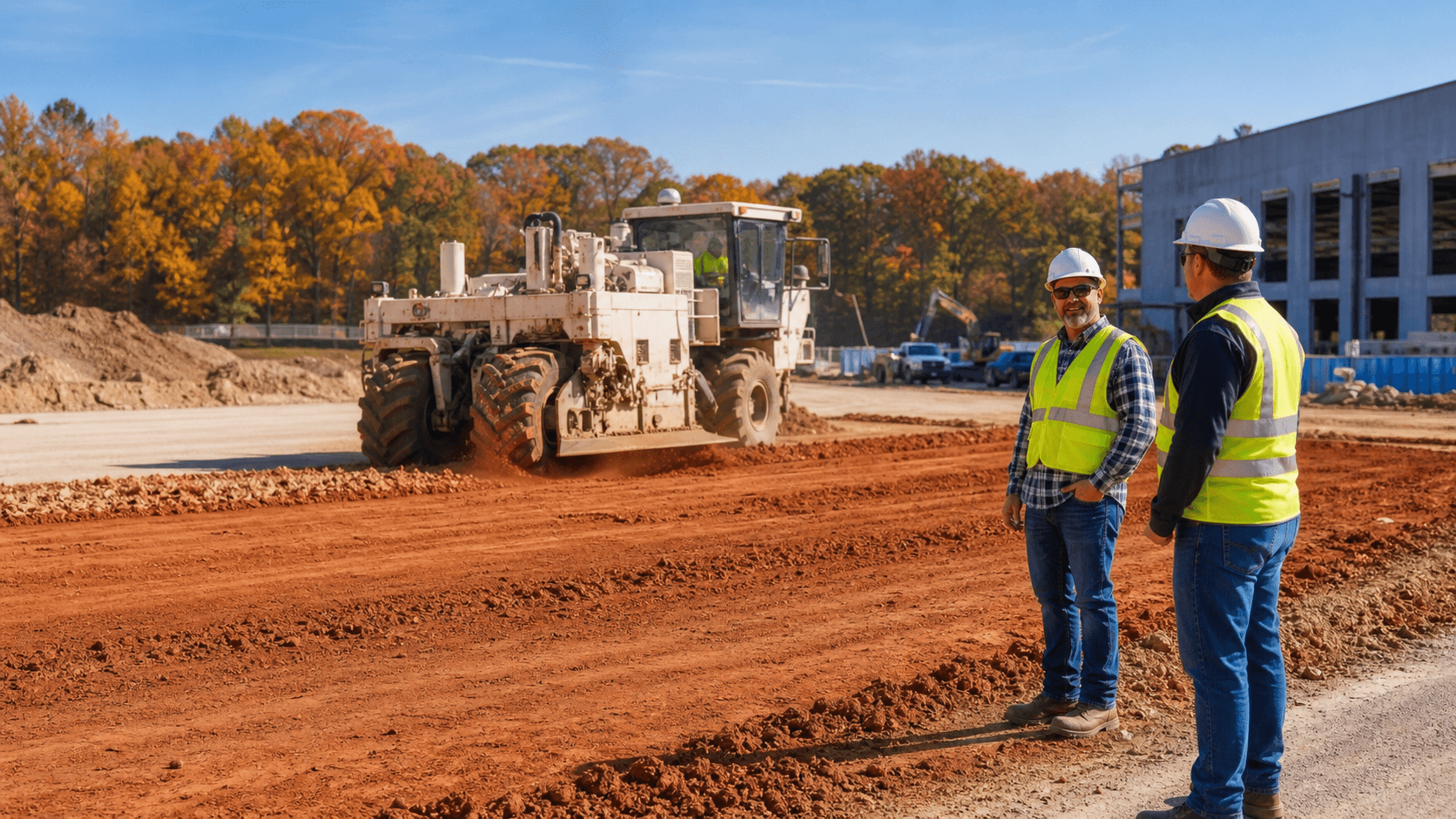
By reclaiming onsite, this process saves time otherwise spent hauling old material off and bringing new aggregates in. It reduces site disruption, keeping work away from protected tree lines, buildings, or fences. Plus, by handling drainage properly during this work, we stop water from pooling around entries, low spots, or near sensitive areas once the next big storm rolls through Chattanooga.
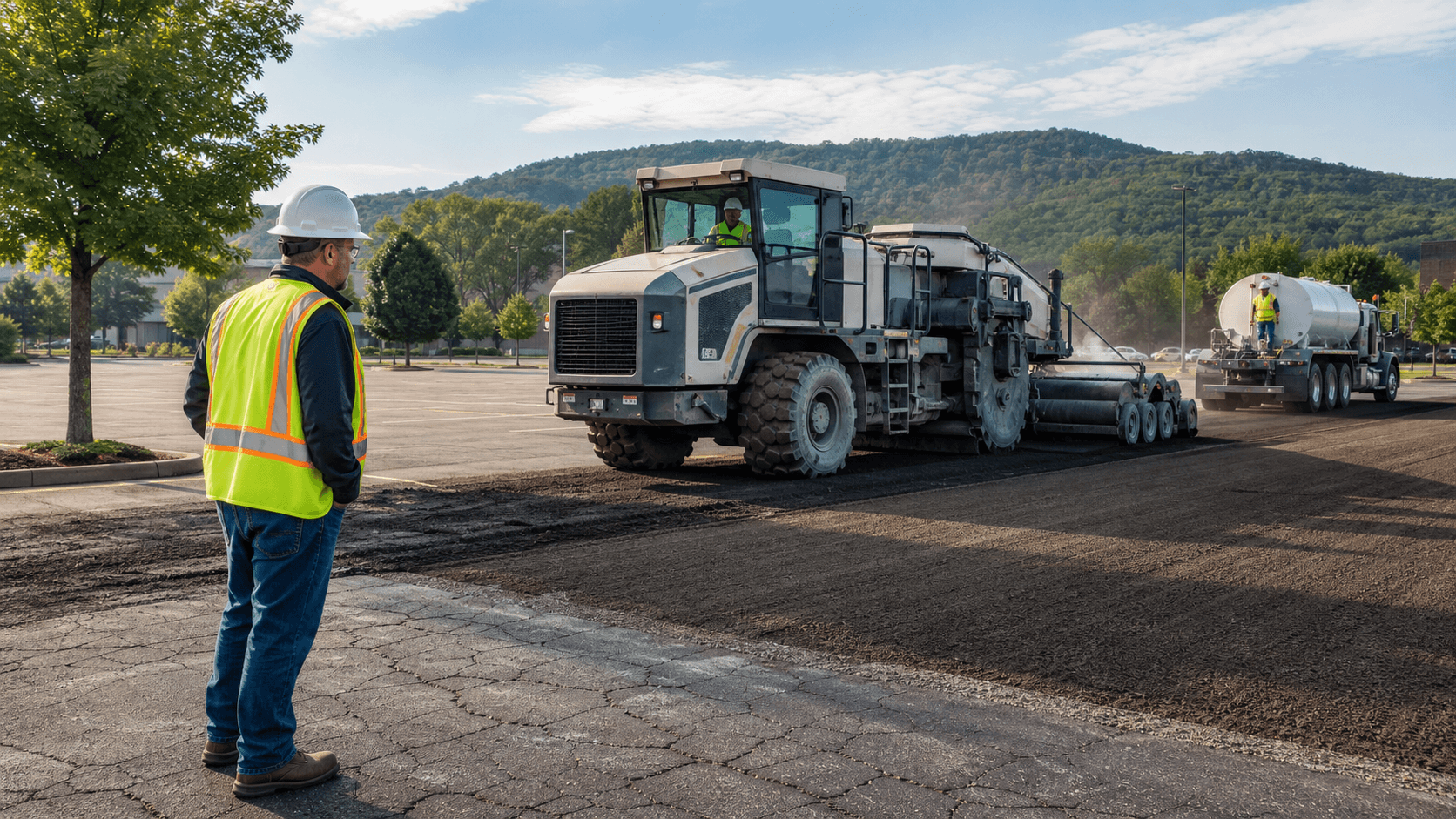
The specialized methods used in local reclamation blend existing asphalt with new stabilizers, giving the rebuilt pavement a much stronger foundation. This helps meet maintenance guidelines, supports green building methods, and reduces landfill waste by keeping valuable resources in use.
When asphalt is reused on the spot, fewer trucks go back and forth hauling debris or new fill, and there's less change to the original site grade. Parking lots, loading areas, and work pads near existing property all benefit from this approach by minimizing long-term changes while still improving durability and performance.
Why Early September Is the Right Time in Chattanooga
For Chattanooga, September offers the best of both worlds. Weather in early fall is stable enough for bigger jobs, but temperatures have eased off from summer highs. With humidity starting to drop, materials stick better and work schedules are less likely to be thrown off by storms or heat advisories.
- Warm, dry spells during early fall lead to stronger compaction and better bonding
- Weather is more predictable before late October, so crews can plan multi-day jobs confidently
- Getting the jump on repairs before fall rains increase can save weeks of headaches and extra expense
Waiting until the middle or late October brings shorter days, frequent cold snaps, and unpredictable wet weather. Projects risk stalling or stretching out for weeks just to catch decent conditions again. By moving pavement reclamation forward in early fall, we keep projects on time and finished surfaces strong for the changing season.
Local experience shows that putting off repairs past early autumn makes it harder to get a consistent finish, especially with cold mornings and shorter daylight. Early planning and scheduling save not just time, but future trouble when winter appears.
A Smoother Path Into Fall
Bringing older pavement back to life before the ground turns wet or hard is our best move for high-traffic areas or spaces that have to stay open year-round. Waiting means each storm wears the surface down more, turning minor wear into bigger problems fast. Before you know it, replacement becomes the only real fix left.
By addressing pavement issues now, using materials already in place, and working while the weather is steady, we help those surfaces last through the toughest parts of the year. Repairing at the right time means fewer setbacks, stronger finishes, and fewer unexpected problems as temperatures drop. Fall is the perfect time for this work because it's not just about patching cracks, it's about preventing bigger surprises later and laying the groundwork for safer, longer-lasting surfaces. Early September gives us a window that's hard to beat.
Noticing cracks or wear on your pavement after a long summer? Early fall offers an ideal opportunity to address these issues before colder weather slows down repairs. Our approach to pavement reclamation in Chattanooga, Tennessee, is designed to preserve what works and strengthen what doesn't. Terra-Firma Stabilization & Reclamation is here to help you get the most from your pavement this season. Talk with us to find the best solution for your site.