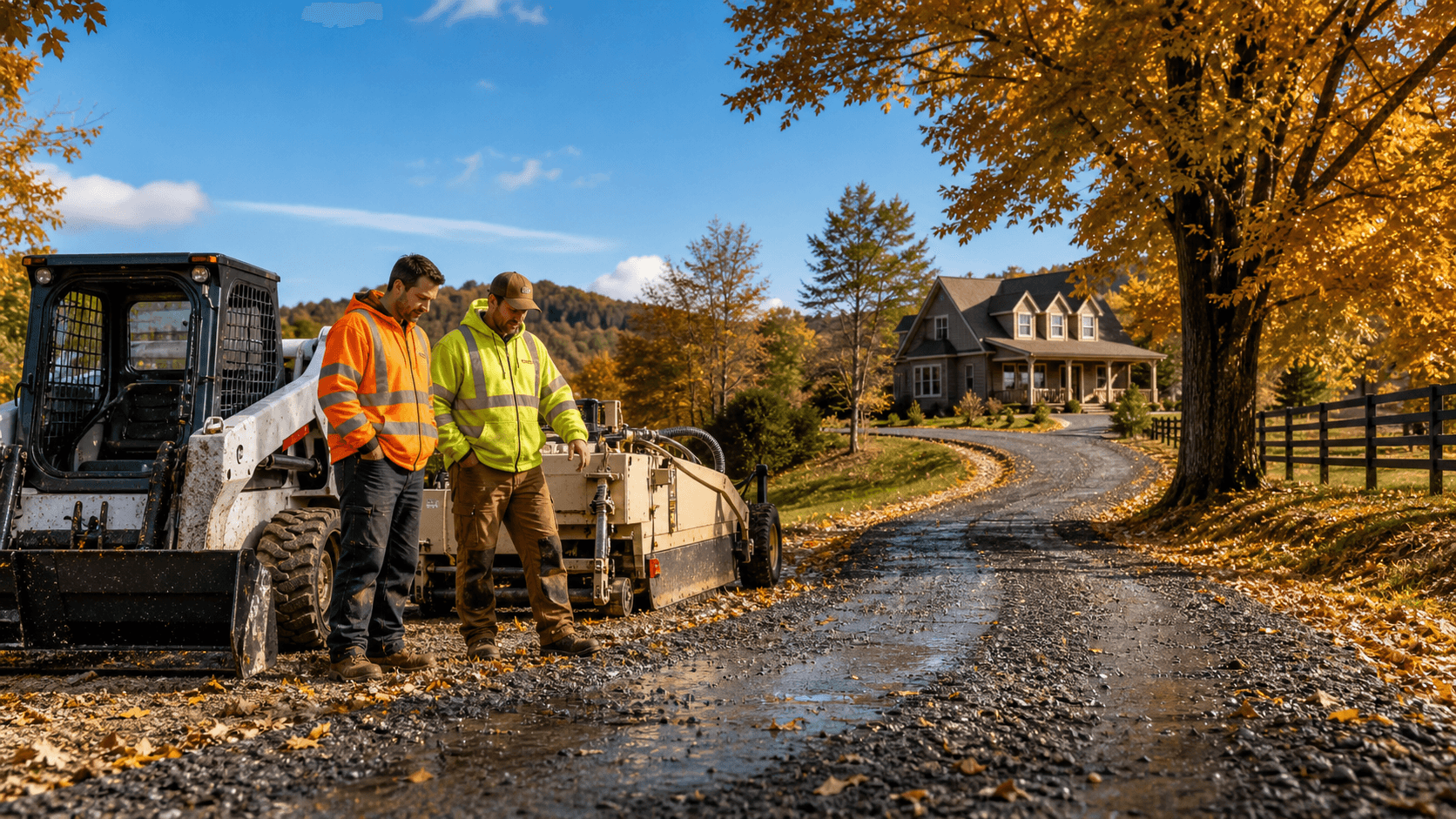
In Chattanooga, it is common to see gravel used to cover up soft spots or driveways that do not quite hold their shape. It feels like a fast answer, and for a while, it might seem like it is working. But time, traffic, and weather tend to prove otherwise. Gravel shifts, washes out, or disappears into the ground, and the same problems show right back up.
Soil modification offers a better way forward. It does not just mask the issue, it actually changes how the ground works beneath the surface. Once the top layer starts getting soft or uneven, there is usually a deeper problem underneath. This method helps rebuild from within, rather than just covering things over with loose material. With late September's dry skies and warm ground, fall is usually a smart time to dig in and fix it for real. That way, the wet and cold months ahead do not add to the damage.
Why Gravel Alone Does not Fix the Problem
Gravel is easy to pour and quick to spread, which makes it an attractive short-term fix. But it does not take long before heavy rain or steady use exposes its limits.
- Gravel does not bond with the soil. It can shift, spread out, or even get pressed into the weaker layers of dirt underneath, giving vehicles little real support over time.
- When the ground below is soft or poorly drained, gravel can actually sink in, leading to ruts that only get worse with use.
- During storms, gravel often washes away, especially if water cannot properly flow off the surface. Without a strong base underneath, even the best gravel will not hold up for long.
These problems tend to repeat themselves season after season. People may keep adding more gravel without addressing the fact that the soil beneath is still too loose or weak to stay solid over time.
How Soil Modification Actually Works
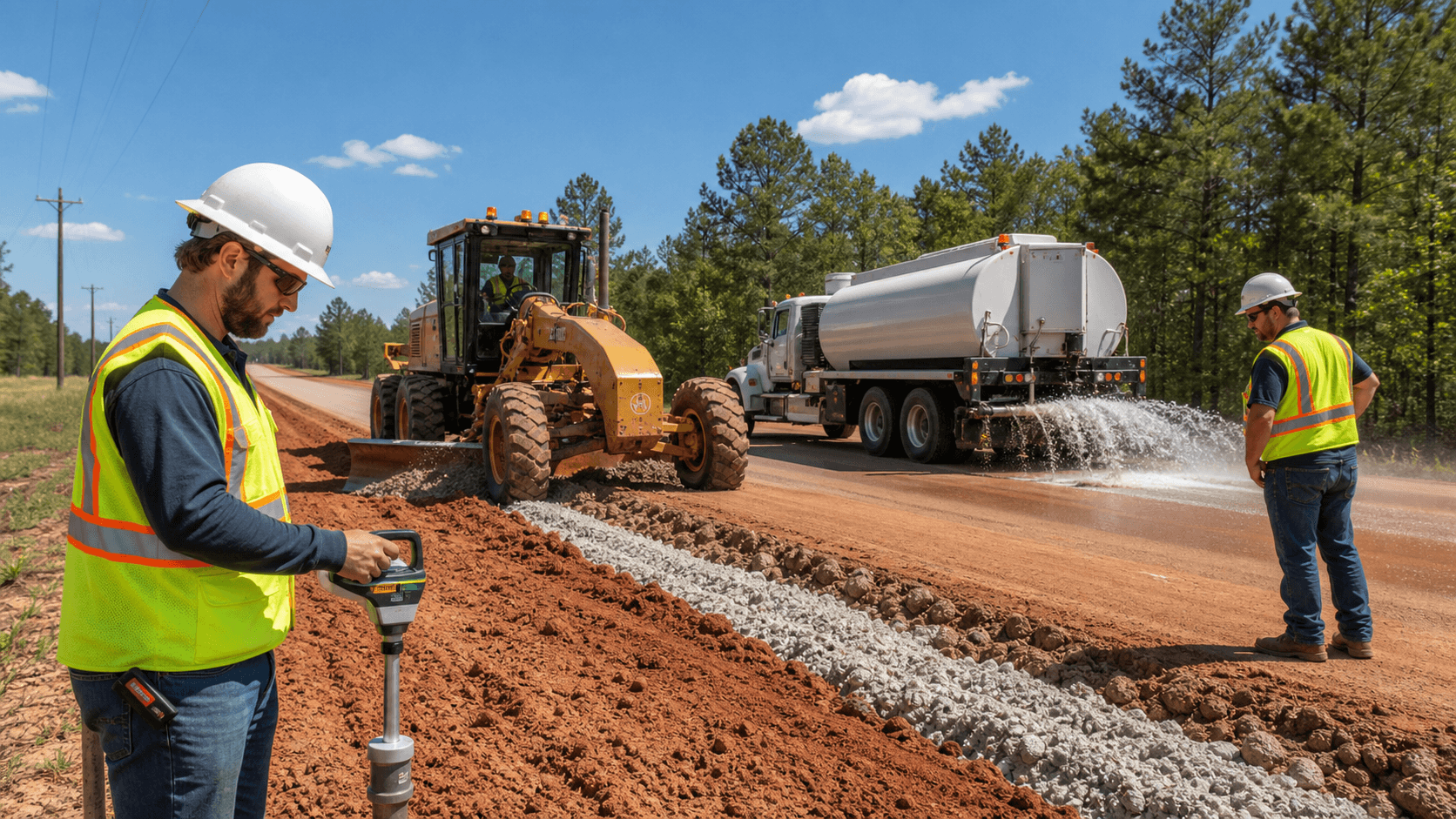
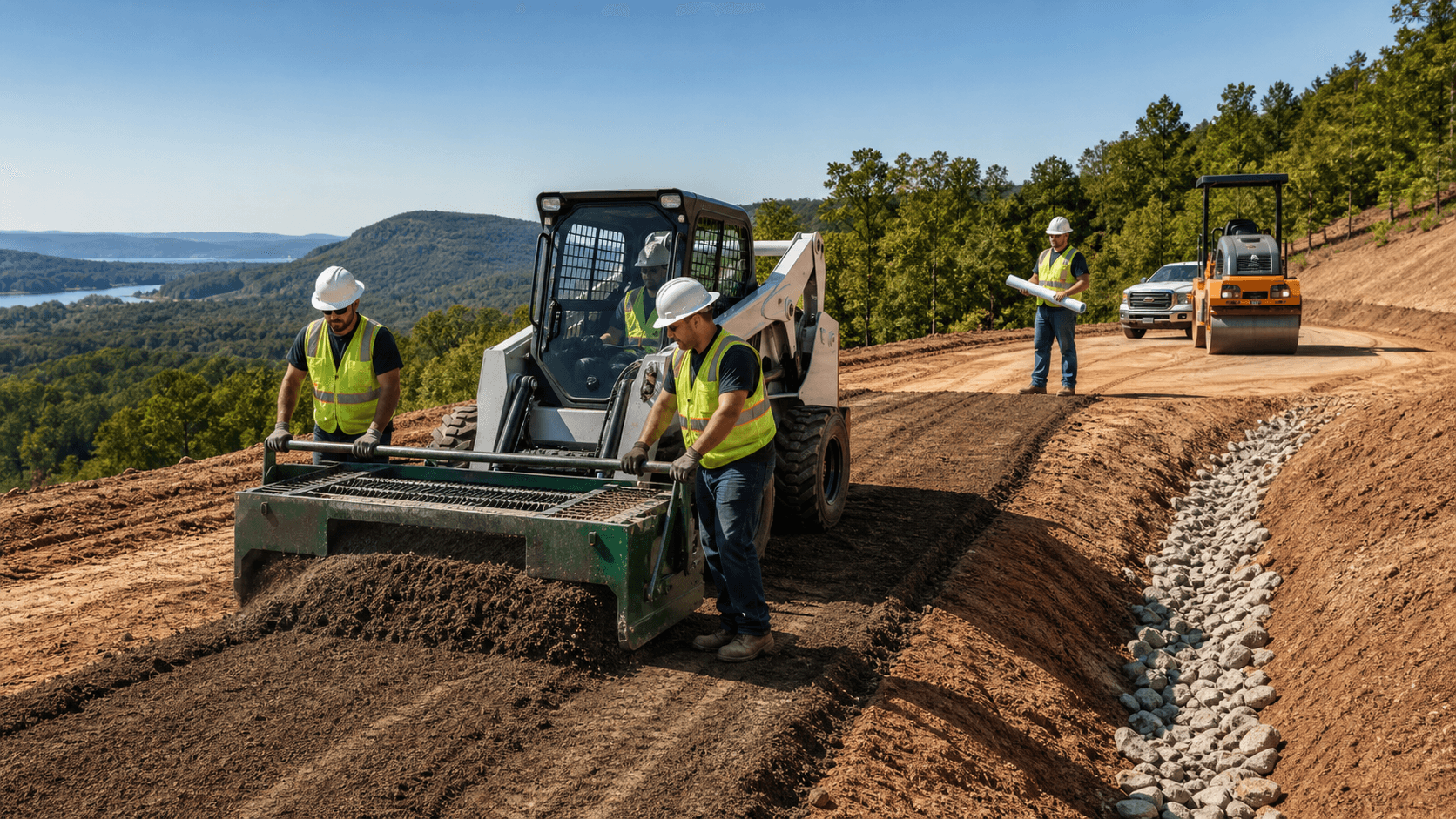
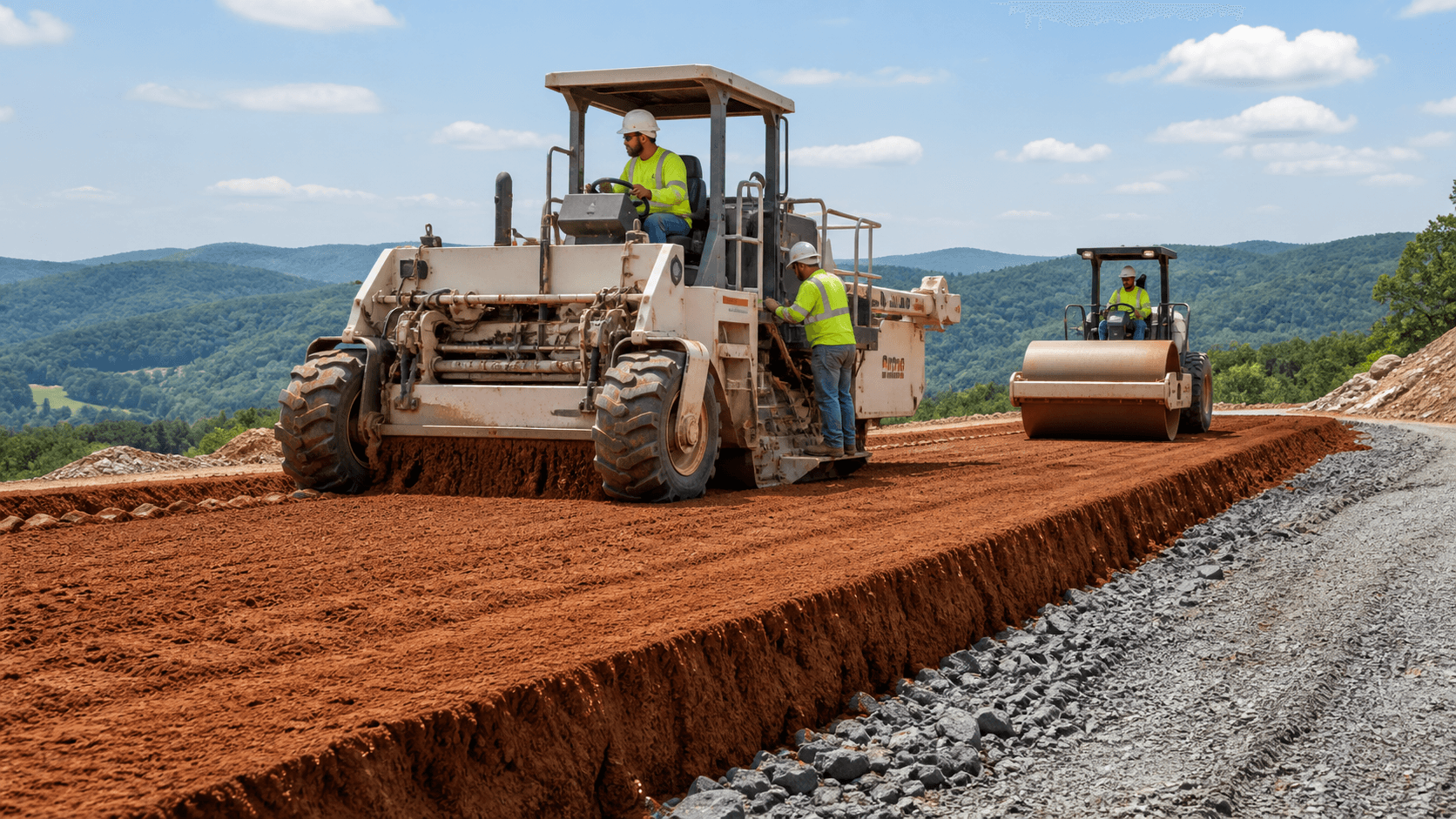
Soil modification changes the condition and strength of the existing ground. Instead of removing weak soil or stacking heavy material on top, we treat it right where it is.
- We mix the existing soil with materials like cement, lime, or other stabilizers, depending on the condition and type of soil.
- These additives change the soil's structure, making it stronger, drier, and less sensitive to moisture.
- After mixing and compacting, the result is a dense base layer that holds its shape and resists shifting, even when wet or under pressure.
By treating the soil in place, we create a base that performs better for the long haul. It holds weight more evenly, sheds water more effectively, and supports future paving, building, or traffic without as much movement or settling.
Terra-Firma Stabilization & Reclamation uses field and laboratory analysis to determine the right stabilizer blend for Chattanooga's unique soil types. Our process leverages cement, lime, or fly ash addition for maximum improvement, allowing gravel surfaces to last through seasonal rain and daily use.
Seasonal Benefits of Doing This Work in Early Fall
Late September is one of the best times of year to take on ground restoration projects in Chattanooga. The extreme heat of summer starts to ease off, but the ground is still warm enough to help with chemical reactions in soil treatments.
- Most days in early fall are dry enough to keep work sites stable, and better curing means the treated surface reaches its ideal strength without delay.
- Getting this work done now locks in improvements before damaging rain and freeze cycles start.
- If left untreated, soft areas will only worsen through the winter, and repairs cost more once drainage or erosion becomes a bigger issue.
Projects completed now are more likely to last through the cold, wet seasons without falling apart or needing repeats. This window between late summer and early fall is an opportunity to stay ahead of the seasonal curve.
When to Choose Soil Modification Over Other Fixes
Not every spot needs deep repair, but there are clear signs that surface fixes like gravel will not do the trick.
- If water tends to pool in the same areas or tires keep carving the same ruts, it is likely the soil underneath cannot handle repeated use.
- If gravel keeps being added but the problem remains, it likely points to deeper instability that needs to be corrected from within.
- For construction projects, especially ones involving pavement or heavy loads, a solid, stable base is often the difference between smooth results and frequent failures.
Soil modification works well for roads, drive lanes, work pads, and undeveloped sites that cannot stay level or firm through changing seasons or steady pressure. By rebuilding the ground instead of just covering it, we create a better starting point for whatever comes next.
A Smarter Approach That Holds Up Over Time
Soil modification does more than fix what is wrong on the surface. It reshapes the performance of the ground itself. Once the base holds up to weather, weight, and use, the problems that used to reappear begin to fade out for good.
- Weak or overly damp soils become sturdy and reliable, able to carry more weight without shifting.
- Surfaces stay level longer, even during heavy rain or temperature swings.
- Pavement applied over a treated base cracks less and needs fewer repairs over time.
In a place like Chattanooga, Tennessee, where wet seasons and heat cycles stress our working surfaces, deeper ground improvements make a real difference. We have found that when we stop resurfacing the same weak spots repeatedly and start improving the ground beneath them, the results last longer and perform better. Gravel has its place, but it can only do so much. Shaping stronger soil from the bottom up is what helps a site stay ready, season after season.
When your Chattanooga site keeps wearing down no matter how much gravel you add, it might be time to address the ground itself. We reshape soil to help it stand up to water, weight, and weather, so it does not wash out or give way. Our approach to soil modification reinforces what is already there instead of simply covering up weak spots. At Terra-Firma Stabilization & Reclamation, we believe in strengthening your base so the problem stays gone. Reach out to us to get started before cooler weather arrives.