During dry months, it's easy to assume the ground under a build site is fine. The surface might look sturdy, and equipment may roll across it without leaving much of a mark. But appearances can fool us. Soil problems often stay hidden until rain returns or construction work ramps up. In a place like Huntsville, where summer heat quickly follows spring rain, that timing matters.
Soil stabilization matters more than many realize. If the ground isn't ready to support the weight of buildings, equipment, or weather changes, the problems don't just stay underground. They spread. Construction slows down. Surfaces sink and shift. Work has to stop. Knowing how to spot the earliest signs of trouble gives us a better shot at handling the issues before they grow.
Watch for Cracks or Shifts in the Ground
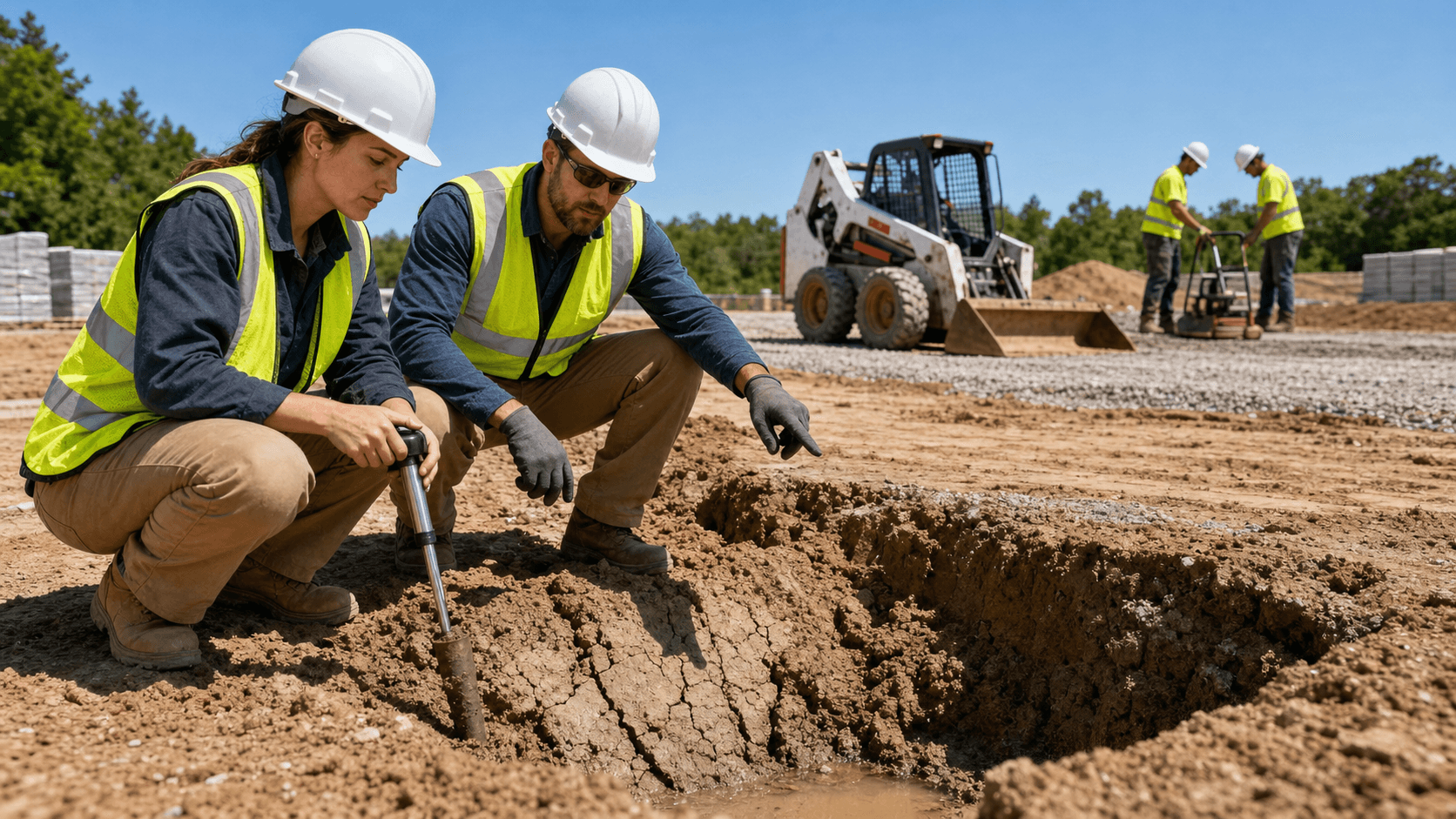
The top layer of a build site doesn't always tell the truth. Even if a site seems smooth, the ground beneath might be weak. One early sign is the appearance of sunken or uneven spots, especially after grading. These areas may feel soft when stepped on or show dips that weren't there a few days earlier. When walking through these places, it's helpful to pay attention to how solid the ground feels underfoot, as even slight movement can be an early indicator of deeper soil concerns.
We often notice fine cracks stretching across the soil surface. While small, these cracks may point to shrinking or failing support below. In some areas, even light foot traffic can shift the ground. If someone walks across a cleared spot and the soil moves under their feet, that's not normal. These cracks can develop quickly or slowly, so it's important to regularly check for changes in the surface that might not have been there before.
These surface issues often get mistaken for simple wear. But real soil problems start out exactly like this, and we've learned to look closely so we can get ahead of what's coming next. Sometimes, even minor signs are the clue we need to investigate beneath the surface, early in the construction phase instead of later when repairs are costlier.
Trouble After Rain: Drainage and Pooling Problems
After a rain, a well-prepared site should dry out fairly quickly. But if we see water sitting around for more than a day or two, that's a different story. When soil doesn't let water drain or runs off unevenly, it usually means the structure underneath is too loose or packed in the wrong way. That water has nowhere to go because the ground isn't holding its shape.
- Pooled water in the same low spot after every rainfall
- Areas that stay soggy longer than the rest of the site
- Runoff flowing across unexpected paths or washing away topsoil
These are all signs the soil isn't supporting the grade like it should. If those areas stay wet, they slowly push back against any equipment or pressure added to them. This delayed reaction often causes damage long after the rain ends. Over time, repeated water pooling weakens the whole area we're trying to build on. Even small puddles are worth noting, as they can signal a problem waiting to get worse with more rain or increased building activity.
The way water responds after storms or irrigation can provide clues to underlying soil issues, so it's a good idea to check the site regularly, especially following changes in weather. Standing water can also lead to erosion, making the grade uneven and further complicating the build process. If early correction is not implemented, the problem can escalate beyond a simple fix.
Keep an Eye on Equipment Behavior
Sometimes what heavy machines do tells us more than what the ground looks like. If loaded equipment starts to sink or move unevenly across certain parts of the site, that's worth noticing. The weight of each pass shouldn't leave deep impressions. If that's happening, we may be dealing with soft pockets or soil that's holding on to too much water.
- Wheel tracks that stay visible after several days
- Machines tilting to one side or needing extra force to move through certain zones
- Repeated equipment issues in the same stretch of land
Flat doesn't always mean firm. A surface might be level enough to walk across, but still too weak to stay stable when pressure builds. The key is watching for small warning signs before tougher tests begin. If equipment is suddenly working harder or getting stuck, that can indicate the need for immediate soil attention. Small adjustments to how and where machinery operates can help confirm if certain zones are less stable than others.
Being aware of these subtle shifts can prevent serious problems later. Monitoring equipment movement doesn't just keep the work moving, it's a useful way to track how well the soil is holding up under stress. By observing how trenches behave or how easily trucks load materials without sinking, we can get a real sense of whether stabilization measures are needed.
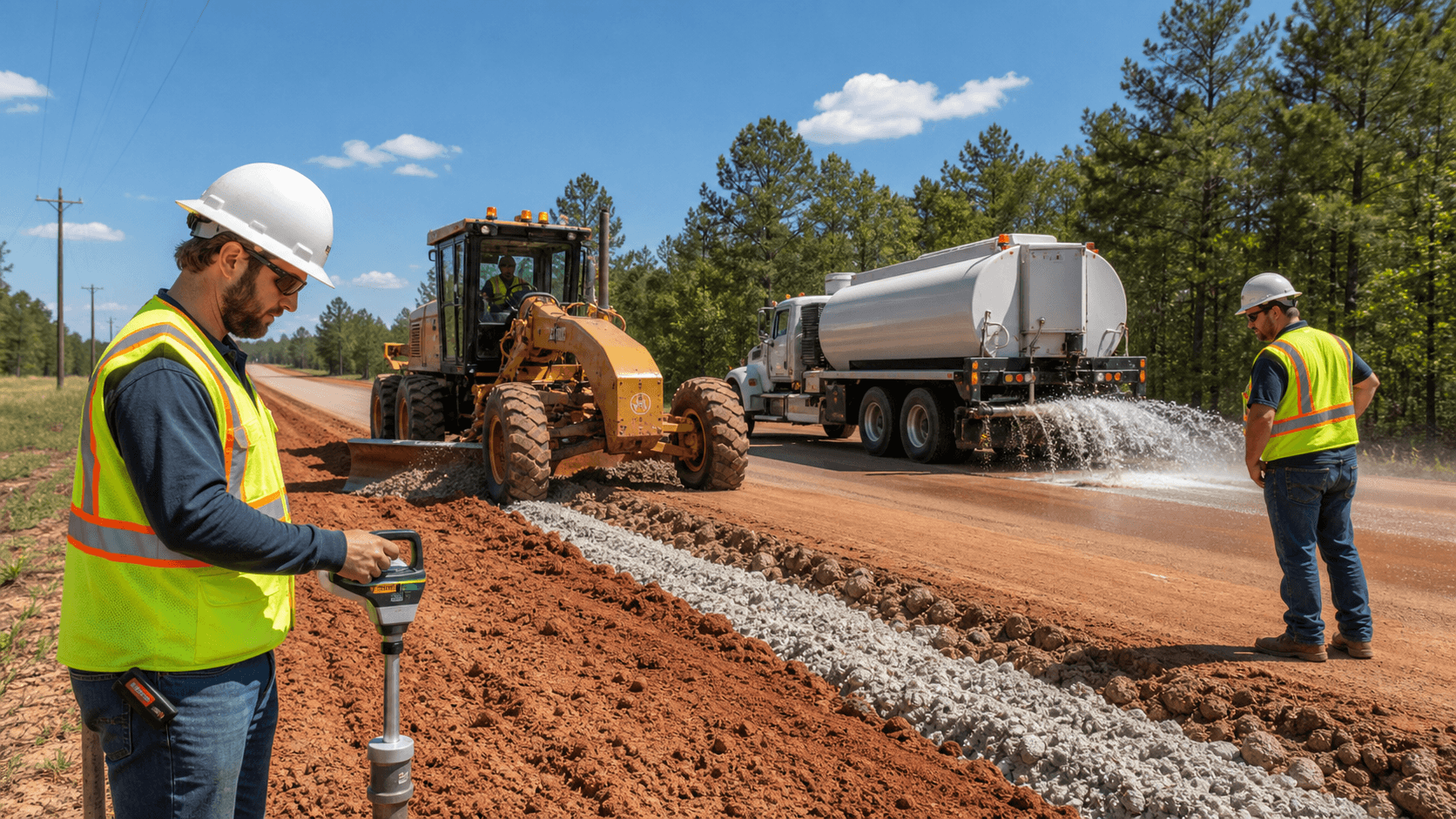
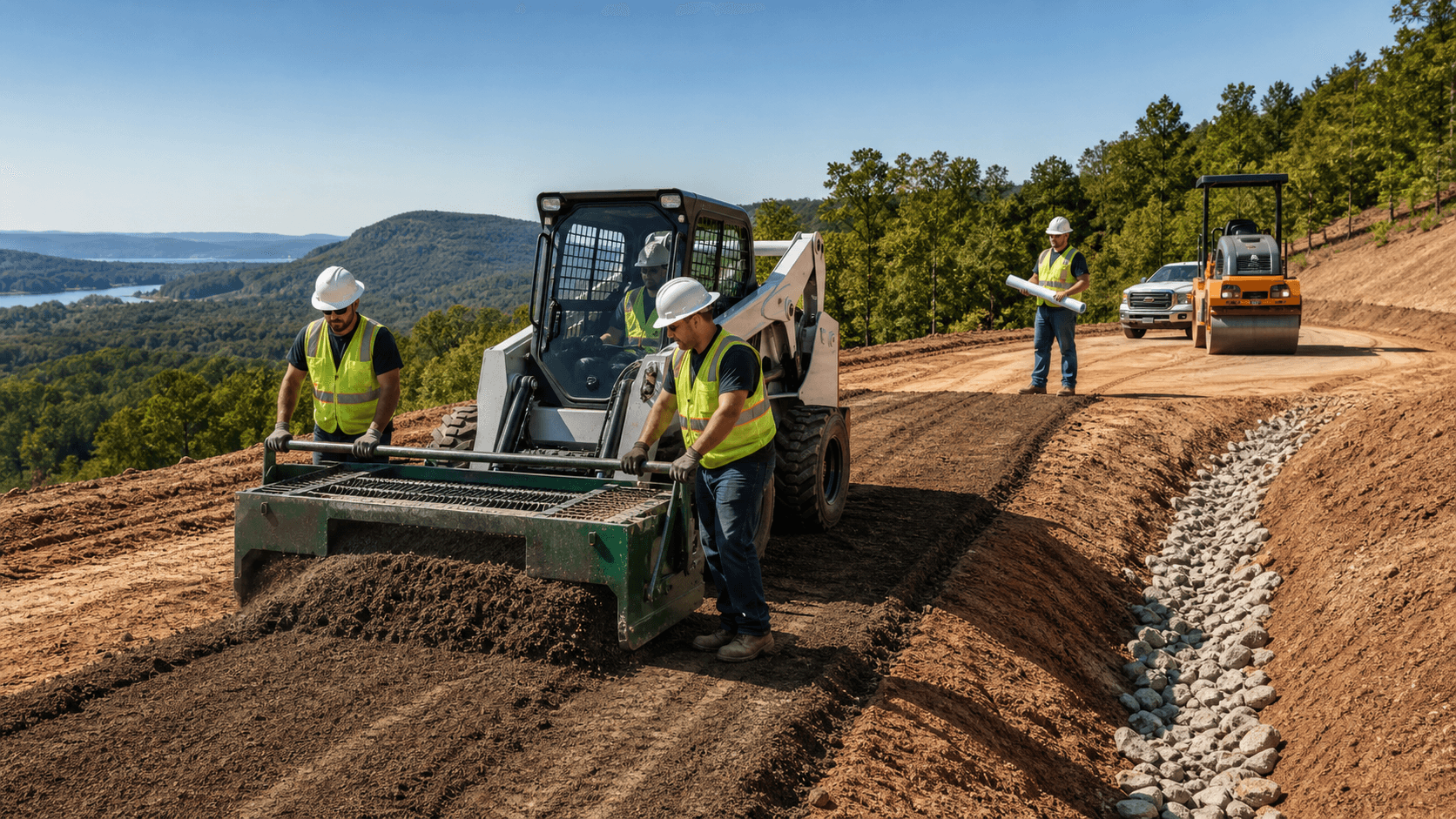
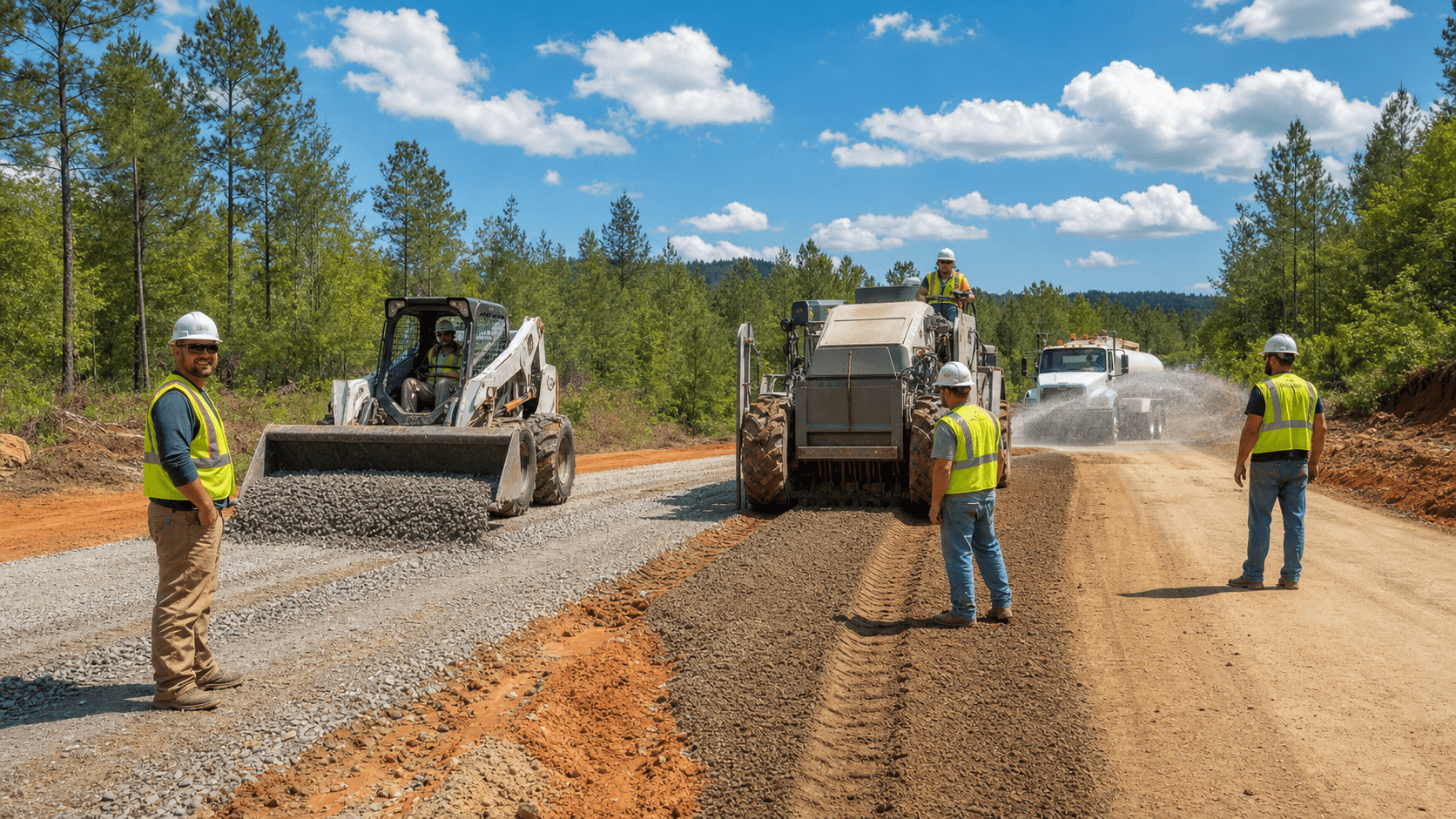
Terra-Firma Stabilization & Reclamation uses project-specific testing and soil analysis to spot trouble areas early and select the right stabilization approach in Huntsville, AL. Our team is experienced with fixing unstable pads, subgrades, and building site soils, addressing both commercial and residential projects across North Alabama.
When Your Site Just Won't Settle
Once framing starts, things shift quickly. If formwork starts to move from where we set it, or fence lines begin to curve when they should stay straight, we know the ground is shifting beneath it. Light sloping over time is one of the clearest signs of a site that hasn't fully stabilized.
That settling doesn't always show up right away. It becomes more obvious across weeks. You may notice support beams leaning slightly or anchor points pulling away. These minor misalignments often result in major slowdowns down the line. Watching for these issues as soon as the framing phase starts can help catch shifting soil before it becomes serious. Lines that were perfectly straight can start to look uneven, and even small changes in grade can throw off the rest of the build, making it necessary to adjust plans or redo work.
This is where soil stabilization becomes the difference between progress and pause. If we catch these changes early on, we can take steps to fix the source before the affecting structures are locked into place. Sometimes, the first clue may come from something as small as a door frame that sticks or a gap opening in floor joists. Noticing these subtle signs puts us ahead of much bigger problems.
When the site refuses to settle, it can delay some of the most important phases of the project, so ongoing checks for shifting and settling should be part of any plan. Over time, a solid routine of monitoring helps everyone stay informed and prepared.
The Best Builds Start With Solid Ground
When we catch the early signs of soil trouble, cracks, uneven ground, lingering water, or shifting structures, we give ourselves a wider set of options for correcting the issue without starting over. Most soil problems don't announce themselves all at once. Instead, they show up little by little, right under our feet. Keeping detailed notes on ground changes and routinely checking for trouble spots helps us stay ahead of possible setbacks.
Keeping a close eye on the behavior of the soil throughout the build helps us avoid long delays and costly adjustments after major work has begun. With a little early awareness and the right steps, we can keep the schedule steady, the site safe, and the structure built on something we trust. Simple habits like walking the site at different times of day and comparing notes from week to week can reveal trends that might otherwise be missed. Sometimes, bringing in a second pair of eyes or using a simple site level can spot problems we wouldn't see otherwise.
Paying attention to these patterns saves time and supports a more reliable project timeline. Staying proactive with soil checks reduces the chance of a sudden halt in construction, making all the difference between a build that moves ahead smoothly and one that is constantly interrupted.
Water pooling, soft spots, and minor surface cracks at your Huntsville, AL, build site can indicate underlying issues that require attention before they become major setbacks. When the ground isn't performing as it should, our approach to soil stabilization offers the solution you need. Reach out to Terra-Firma Stabilization & Reclamation today to keep your project on solid ground from the very beginning.