Introduction
Staying on schedule with construction projects in Chattanooga depends a lot on what happens under the surface. If the soil can't handle the job, problems show up fast, cracking asphalt, uneven grading, or heavy settling after a storm. These issues can slow everything down and drive up costs before the surface layer even goes down. That's why careful site stabilization matters so much in this part of Tennessee.
We use Terra Firma Materials to help make that foundation stronger and more stable from the start. These materials, like lime, fly ash, and other additives, make weak or damp soil more solid. In Chattanooga, where soil types vary and rainfall hits hard in the warmer months, using the right mix at the right time really helps set the job up the right way.
What Chattanooga Soil Needs in Early Summer Projects
By mid-June, Chattanooga soil tends to shift in behavior. Cooler spring temps start giving way to warmer, storm-filled afternoons. Construction sites that were drying out nicely in March might now be soaked again after a round of showers. That puts added pressure on the subgrade for any project, especially roads, foundations, or lots that will carry weight.
Most soft spots around this area come from clay-based or silty soils. These local soil types don't drain quickly and tend to hold moisture. When they get too wet, they expand. In dry stretches, they shrink and pull apart. That makes it tough to keep anything flat and steady on top, unless the soil is treated early enough.
Many summer projects across Chattanooga deal with:
- Clay that swells in stages after each rain
- Fine silt that holds water and takes forever to dry
- Shallow drainage paths that let water pool below the surface
By June, those conditions start bubbling up right when grading and base prep are underway. Failing to fix them before the paving or structure phase leads to settling when the heat builds and storms return.
What Makes Terra Firma Materials Useful for Stabilization
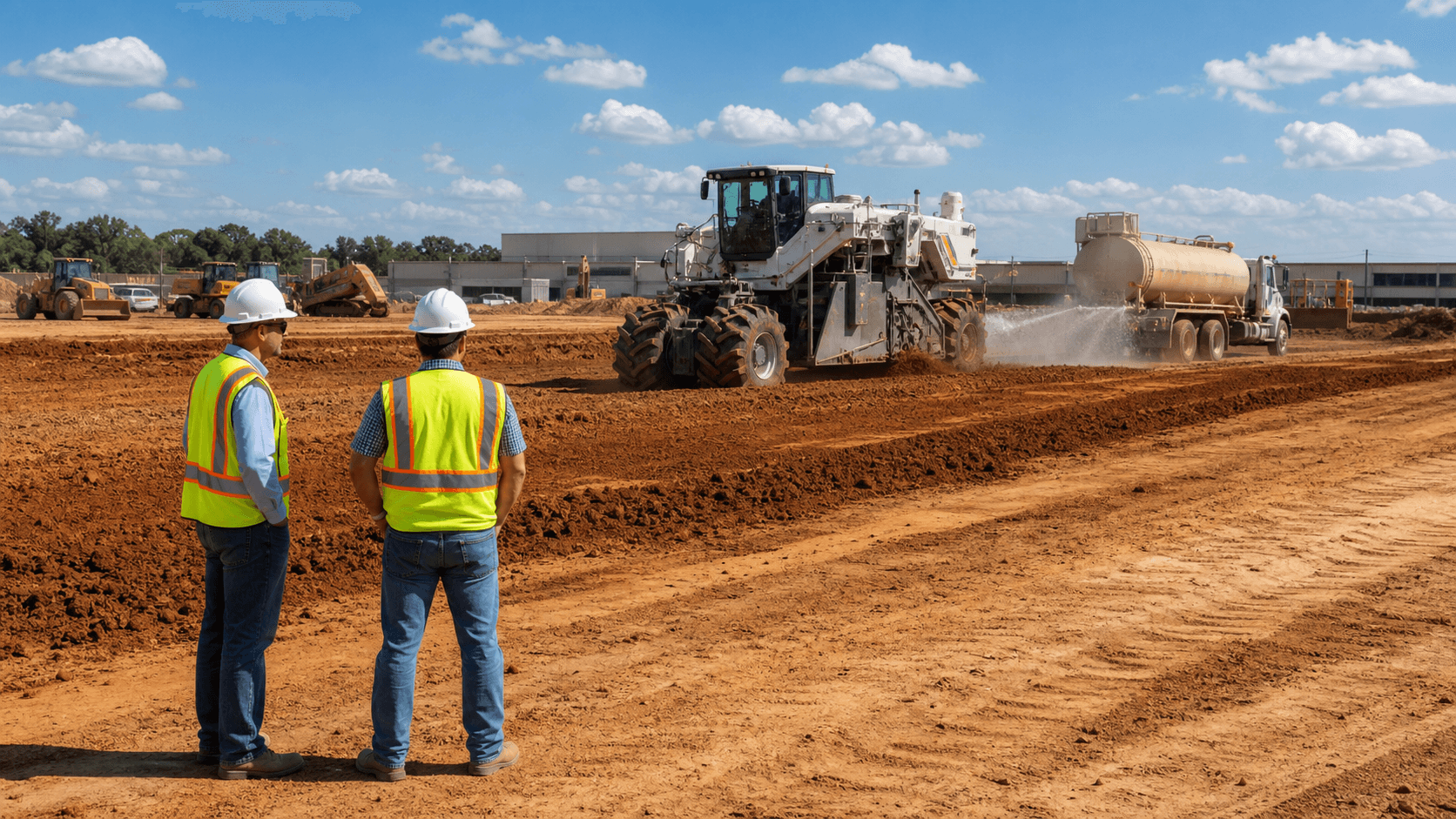
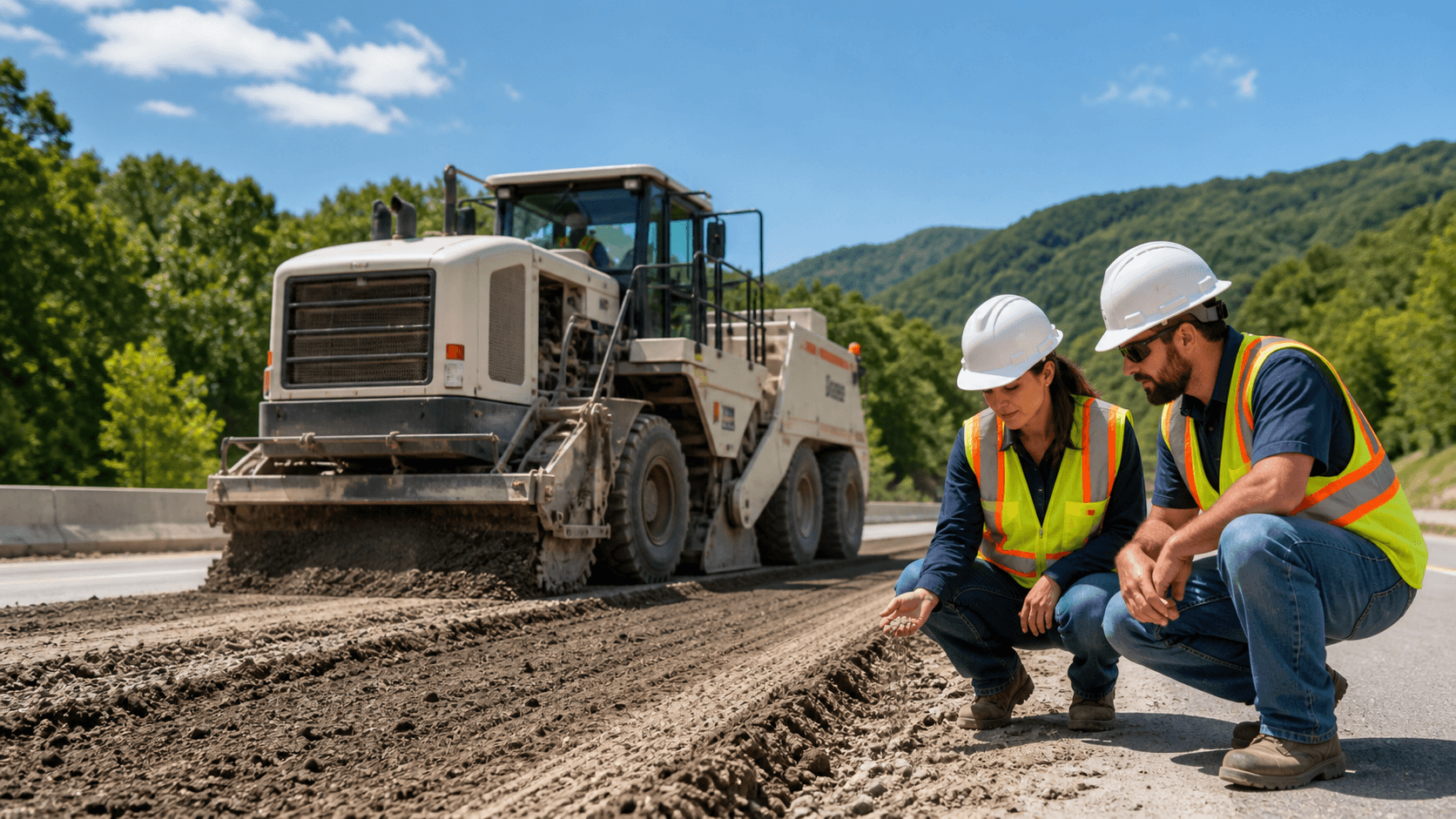
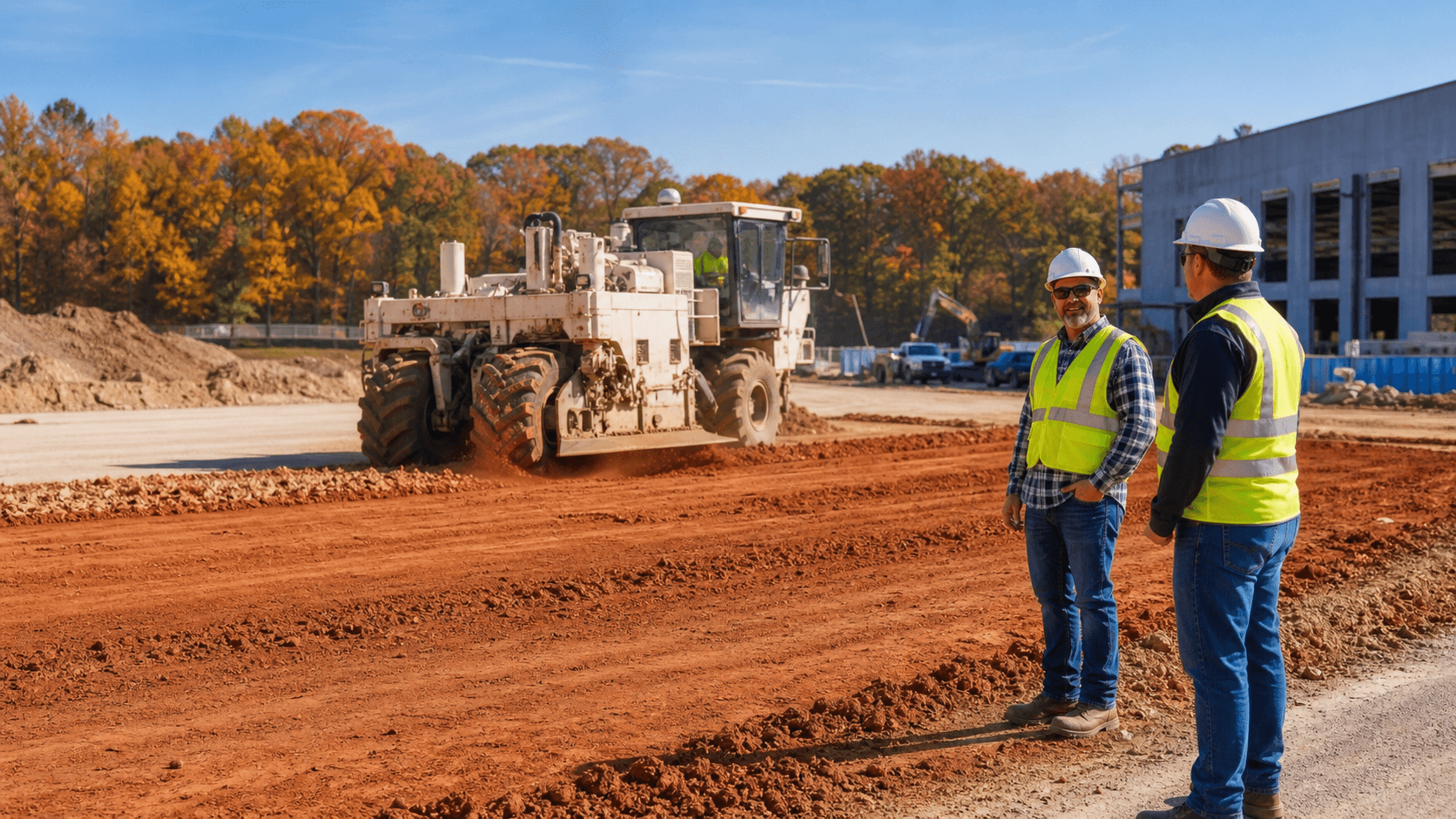
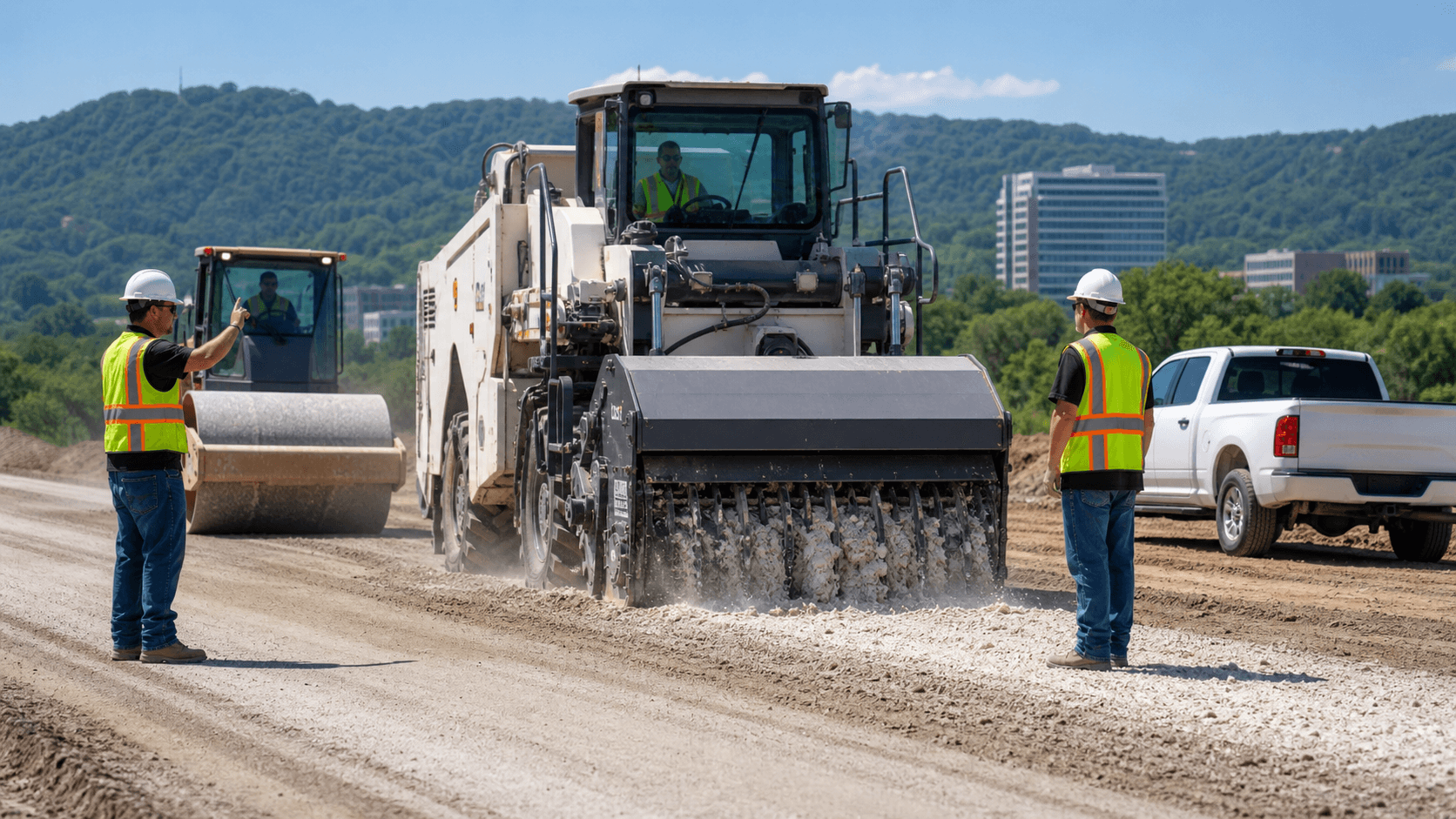
Terra Firma Materials include products like lime, fly ash, and certain types of cement. These additives are blended with soil to fix moisture issues, improve density, and create stronger sublayers. They bond with the water in the ground and help turn softer material into a more workable base.
Once mixed in, the soil can stand up to more pressure without shifting. That's why they're often used before paving, pouring footers, or setting heavy loads like equipment or storage tanks.
We like working with Terra Firma Materials in Chattanooga because:
- They work well with Southern clays and silts
- They speed up drying time after wet weather
- They create a stronger bond just before peak heat hits
Early summer is a good point in the year to rely on these treatments. The ground still holds some moisture from spring, which helps activate the bonding process. Additives sink in better and start forming a tighter subbase just in time for hotter weather to harden things off.
Terra-Firma Stabilization & Reclamation relies on lab-tested lime, fly ash, and cement solutions to deliver targeted improvement for Chattanooga's most challenging soils. Site-specific recommendations are made using Proctor test results, moisture-density evaluations, and real-world application insights from ongoing projects throughout Tennessee.
When to Use Materials for Strength, vs. Timing the Process
Not every job needs the same level of soil improvement. It depends on timing, traffic, depth, and location. We often start with a few big questions to see what kind of base needs to be built.
- Is the site already soft due to spring rain or past flood runoff?
- Will the area see a lot of vehicle traffic or only light use?
- Are construction loads or heavy equipment going to remain onsite for weeks?
If the soil is already loose or soggy in early summer, that's the right time to introduce stabilizing materials. There's enough moisture for mix-ins to work, and materials can cure properly before July storms roll in.
Later in the summer, the soil often dries out too much. While treatments still have value then, they do not bond as well without added water. That means the earlier use of Terra Firma Materials helps get ahead of long-term stress on the site.
Instead of guessing, we like checking the density and strength of the soil before moving forward. If things are already borderline, a little early groundwork with the right material can keep everything on track. Poor base prep, even if paved over, usually returns as bigger surface problems later.
Long-Term Results from Proper Stabilization Choices
When jobs skip material-based stabilization, the results show quickly. Things look fine at first, but once the summer heat peaks or heavier rains hit, the ground gives way more easily than expected. That leads to:
- Surface cracking from shrinking or shifting underneath
- Weight settling into ruts where the soil softens again
- Premature damage that needs patching or rework
We've seen that happening just a couple of months after the first install. It never feels good watching fresh work fall apart, especially when it could have been avoided early on.
Stronger sites come from thinking ahead. By putting in the right additives up front, we reduce the chance of repair work later. More moisture control and better compaction keeps surfaces even. Over time, that means less wear and lower maintenance.
When summer flood rains or long dry periods hit, those stronger layers hold position. The cracks stay small, and the load stays balanced. That piece of background work doesn't show from the surface, but it's what keeps projects solid year after year.
A More Stable Start for Chattanooga Projects
Using Terra Firma Materials in Chattanooga gives us a better way to handle all the curveballs that local soils and summer storms throw at construction sites. When wet clay or thin silt tries to push a project off course, these mix-ins help us respond the right way.
Starting site prep in June lets us catch the soil while there's still just enough water to activate materials and lock in density before the full weight of construction sets in. That timing matters. A strong base now helps everything above it last longer through traffic, temperature shifts, and storm season runoff.
We've seen that when our prep lines up with the season and the soil, the finished work holds together far better. A little time spent working below the surface sets the whole job up for success. And when the weather here turns rough, it's that deeper layer that keeps everything steady.
Working with challenging ground conditions in and around Chattanooga means starting with strong soil planning. We've seen how using the right mix of Terra Firma Materials early in the season creates a more stable and weather-ready site. Whether you're dealing with clay that won't dry or silty ground that shifts too easily, those deeper layers support lasting results. At Terra-Firma Stabilization & Reclamation, we take the time to match materials and timing to what the job and region actually need. Contact us to build a better foundation before summer storms roll in.